The quest to identify the coldest country in the world takes us on a journey to the most extreme environments on our planet. While many assume the title belongs to Russia, it is actually Canada that holds the distinction of the world’s coldest country based on average annual temperatures. This article will explore the data behind this claim, delve into the list of the coldest nations, and then descend further to uncover the coldest city, the coldest inhabited place, and finally, the single coldest point ever recorded on Earth.
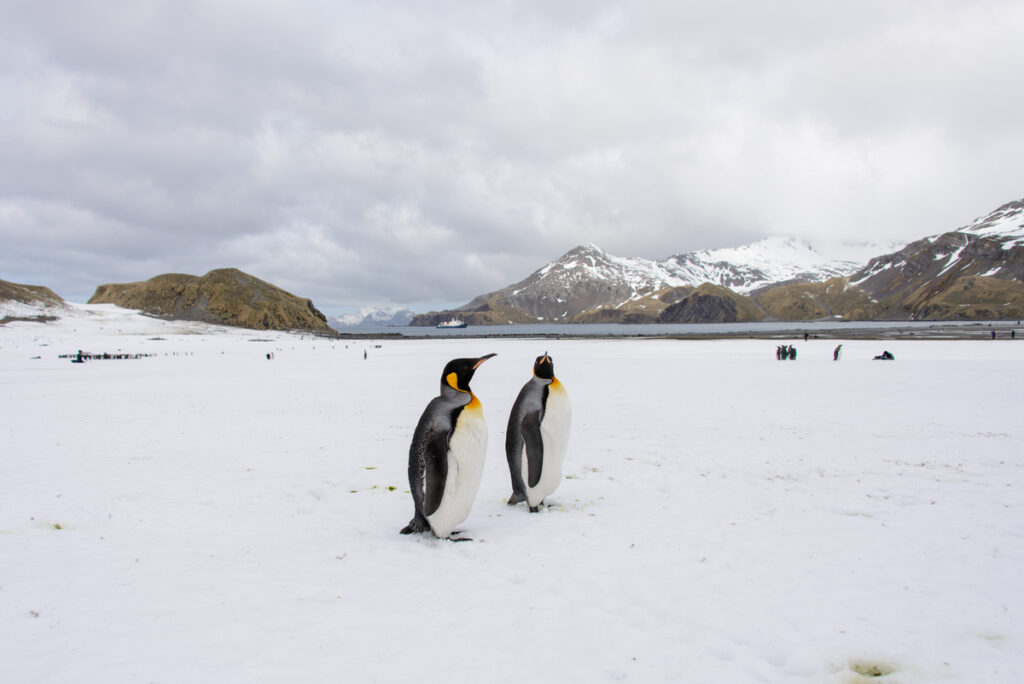
The world widely acknowledges Canada as the coldest country. It is the coldest country in the world, with an average temperature of -5.35°C (22.37°F).
The country’s enormous size and geographic location are both crucial. Most of Russia is in the northern hemisphere; the farther north you travel, the colder it becomes. Snow covers the nation most of the year, reflecting sunlight and further reducing temperatures.
India
India has a predominantly warm climate, but northern regions, especially in the Himalayas, experience harsh winters. Temperatures can drop to -50°C in the mountains, while the southern parts enjoy much warmer conditions, with maximum temperatures reaching up to 50°C.

When the question shifts from countries to urban centers, the title of the coldest city in the world is unequivocally held by Yakutsk, in the Sakha Republic of Siberia, Russia.
Yakutsk is a major city with a population of over 355,000 people, yet it endures some of the most brutal winter conditions imaginable. The city has an average annual temperature of -8.0 °C (17.6 °F). During the winter months, average January temperatures are profoundly low, with mean daily lows around -39.8 °C (-39.6 °F) and highs around -34.0 °C (-29.2 °F). The lowest temperature ever recorded in Yakutsk was a staggering -64.4 °C (-83.9 °F) on February 5, 1891.
Life in Yakutsk is defined by the cold. The city is the largest built on continuous permafrost, meaning the ground is permanently frozen. To prevent the heat from buildings from melting the permafrost and causing structural collapse, most structures are built on sturdy concrete piles. Residents have adapted to the extreme cold through specialized clothing, a diet rich in fats and proteins, and a deep cultural knowledge of how to survive in this harsh environment. As one resident advised, you must “dress warmly, in layers, like a cabbage
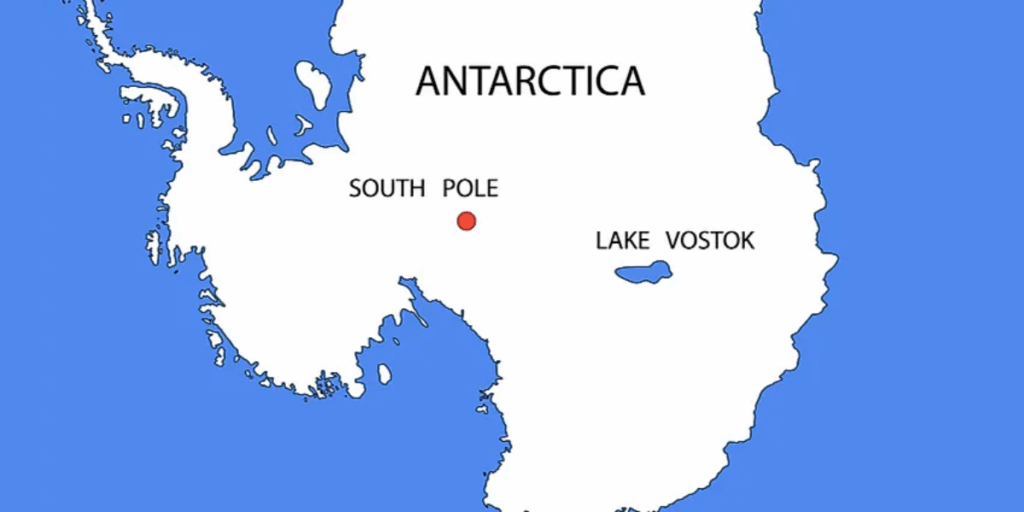
The lowest temperature ever recorded on Earth was -89.2°C (-128.6°F), on July 21, 1983, at the Vostok Station in Antarctica. Vostok Station is located near the center of the East Antarctic Ice Sheet, making it one of the planet’s most remote and coldest places. This extreme temperature remains the lowest ever recorded in human history. Antarctica’s harsh, frigid conditions are due to its high elevation, clear skies, and long polar nights, all of which contribute to the dramatic cooling of the atmosphere.
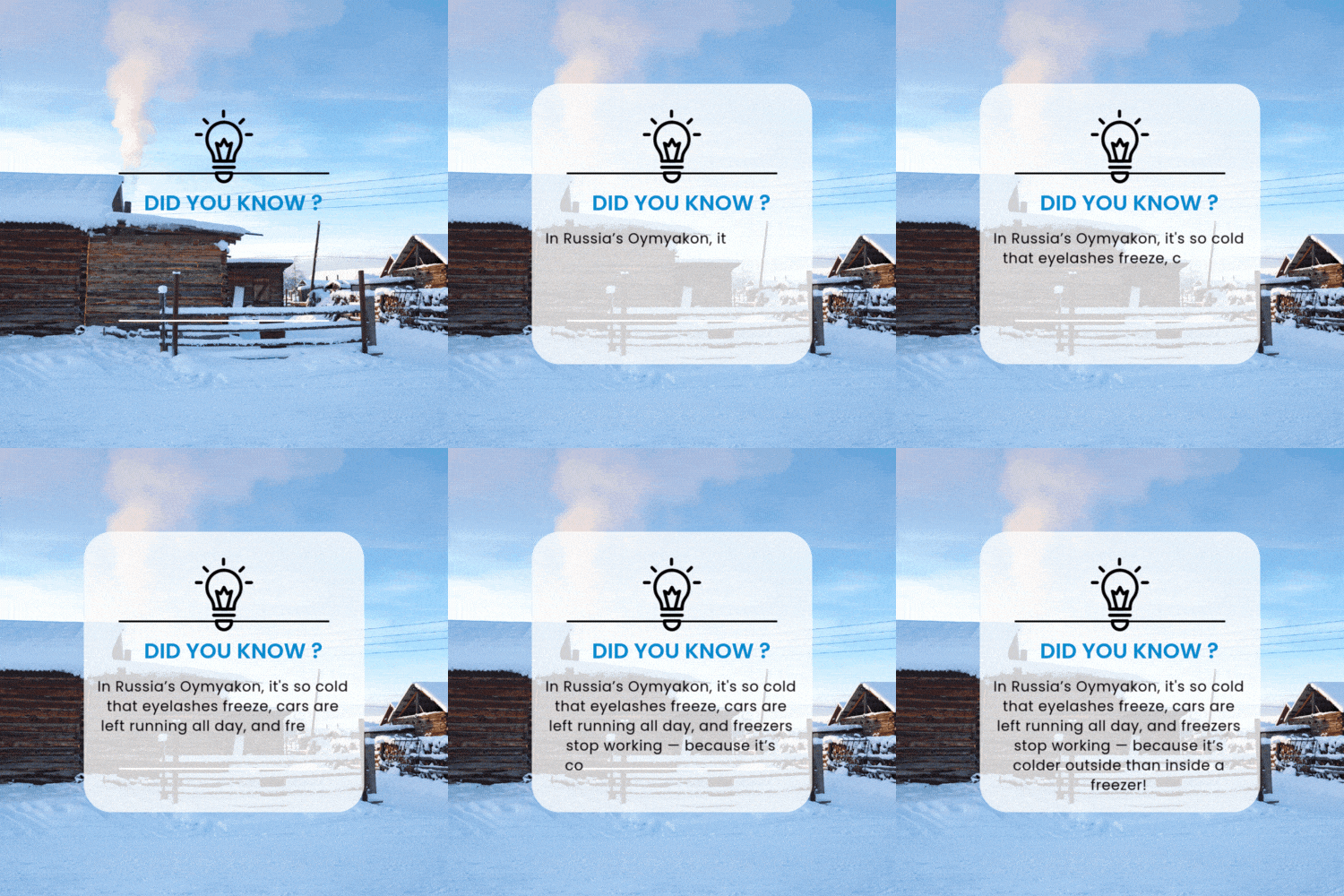
The coldest inhabited place in the world is Oymyakon, located in the Sakha Republic (Yakutia) in northeastern Russia. Situated in Siberia, Oymyakon holds the lowest temperature recorded outside Antarctica, with a chilling −67.7°C (−89.9°F) on February 6, 1933.
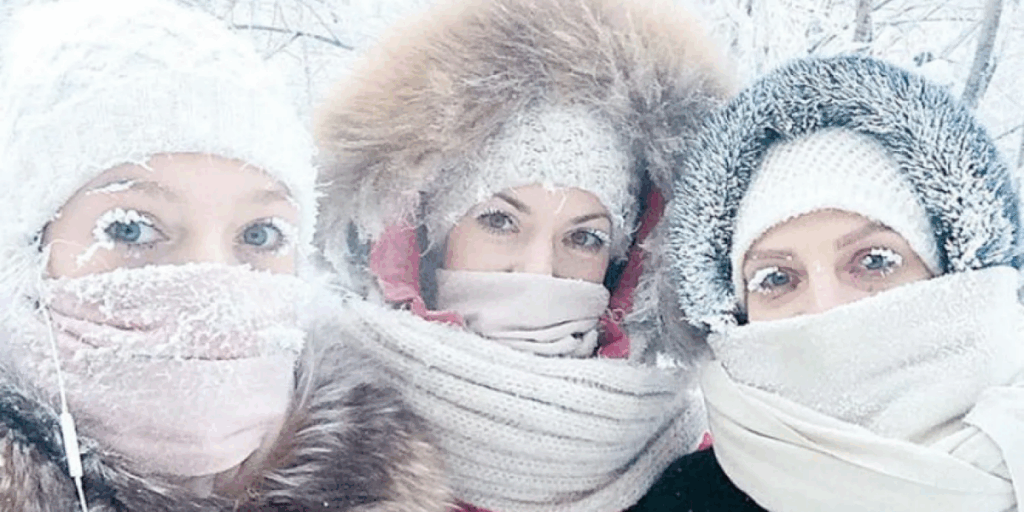
The extreme cold is defined by permafrost, which complicates agriculture and construction, and powerful anticyclones that cause severe winter cold spells. Despite the harshness, unique ecosystems thrive, supporting wildlife specially adapted to survive, such as reindeer and Arctic foxes.
Indigenous groups like the Evens have cultivated rich cultural traditions and a deep resilience, honed over generations. The region’s history is also marked by profound hardship, exemplified by the construction of the Kolyma highway by political prisoners.
Residents face daily hurdles, from pre-heating vehicles to a lack of indoor plumbing. Now, climate change poses a new threat, disrupting traditional lifestyles and fragile ecosystems.
The polar region is the coldest region on Earth. A special interaction between the sun, ice, humidity, and wind causes extreme cold in these regions.
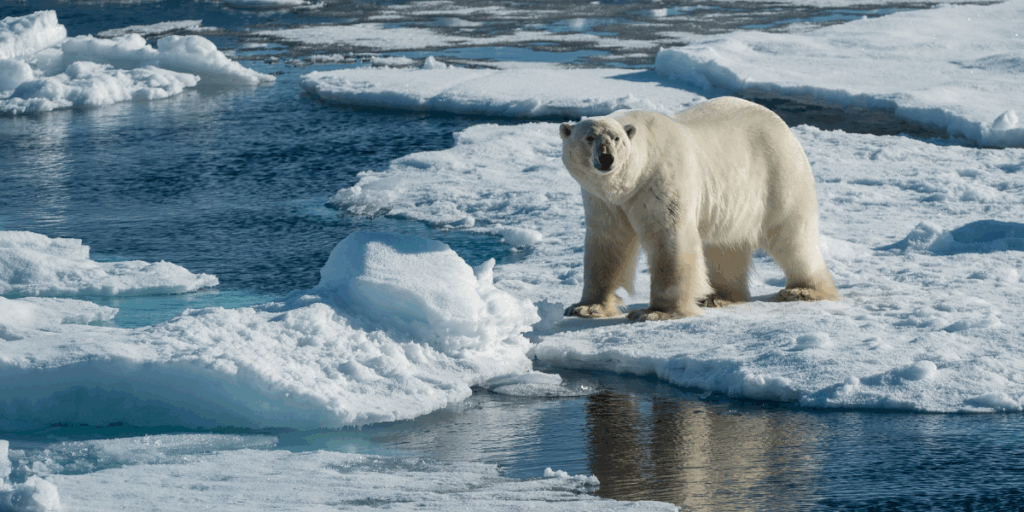
The sun directly affects climate and weather. Its radiation helps the atmosphere, oceans, and continents maintain their temperature. According to many climate experts, the coldest country in the world is Russia, which encompasses vast areas of Siberia where temperatures can plunge to terrifying lows.
The amount of solar energy received per unit area depends on the angle. It notably decreases where sunlight exposes the Earth’s atmosphere at a lower angle, such as in polar regions.
Countries like Russia and those near the Arctic Circle are cold due to their location and climatic conditions. Here are some reasons:
Humans have developed remarkable adaptations to survive and thrive in extreme cold conditions, both biologically and culturally:
The world’s coldest regions’ frontiers have long tested human endurance and spirit. From the polar ice caps to the highest peaks, these cold adventures represent the ultimate challenge against nature’s most unforgiving elements.
1. The Race to the South Pole
The early 20th century featured a legendary rivalry between British explorers Robert Falcon Scott and Ernest Shackleton.
2. Arctic Exploration and Mountaineering
3. Modern Polar and Cold-Weather Challenges
The quest for the poles continues to define extreme adventure. Modern explorers trek to the North and South Poles, facing temperatures as low as -60°C, often solo and with minimal support. Beyond traditional expeditions, cold-weather survival courses in places like Sweden and Canada now teach essential skills like building snow shelters and navigating ice fields, allowing more people to safely test their limits in the world’s coldest environments.
The albedo effect, which occurs when ice reflects more solar energy into space, is a significant element in regulating the climate on Earth. Another method for storing a lot of carbon in cold environments is permafrost, which develops in periglacial regions. In the coldest nation in the world, various plant and animal species have evolved adaptations to survive and influence the climate. The loss or reduction of these habitats will put these species in immediate danger of extinction.
Extreme cold conditions are not suitable for us. However, we can appreciate the wonder and beauty of terrestrial and extraterrestrial scientific processes that occur when temperatures drop and produce extreme results to push the boundaries of our curiosity. Many people believe that Mongolia, with its harsh winters and high-altitude plateaus, is one of the coldest country in the world.
In conclusion, Antarctica is the coldest region on Earth, with record temperatures plunging below -98°C. Meanwhile, countries like Russia and Canada experience some of the most extreme cold conditions in inhabited areas, especially in regions like Siberia and northern Canada. Despite these harsh climates, people continue to live and thrive in such environments, showcasing incredible human resilience and adaptation in the face of nature’s most brutal elements.
Read More:-
World coldest place is Antarctica, its temperature ranges from -76 76°F in elevated interior areas to 14°F near the coast.
According to NASA, the East Antarctic Plateau is the coldest place on Earth, with temperatures plummeting to a staggering minus 144°F (minus 98°C).
Yakutsk, located in the Sakha Republic (Yakutia) of Russia, is the No.1 coldest city in the world. Winter temperatures regularly fall below −40°C (−40°F), and historical lows have reached −64.4°C (−83.9°F). Despite its severe climate, Yakutsk has a population of over 300,000 and functions as a major hub for mining and industry.
The 10 coldest places include:
Antarctica (East Antarctic Plateau)
Oymyakon, Russia
Verkhoyansk, Russia
Denali, Alaska, USA
Eismitte, Greenland
Snag, Yukon, Canada
North Ice, Greenland
Yakutsk, Russia
Ulaanbaatar, Mongolia
Vostok Station, Antarctica
The East Antarctic Plateau is currently the coldest place in the world. It recorded a temperature of −98°C (−144°F), making it the coldest known surface temperature on Earth, according to NASA satellite data.
By average yearly temperature, Canada emerges as the coldest country globally, averaging around –2.9 °C (–4 °F), followed closely by Russia at –2.8 °C
No. People often judge coldness based on record low temperatures, such as Siberia’s frigid extremes below –67 °C. However, average annual temperature is what determines the overall cold ranking, where Canada averages lower than Russia
Temperatures can drop to 0°C and below in India’s northern Himalayan region. This includes high-altitude areas like Ladakh (e.g., Dras, often called one of the world’s coldest inhabited places) and parts of Himachal Pradesh and Uttarakhand, especially during the winter months.