India’s temples, from ancient wonders like Srirangam (156 acres, largest functioning temple) and Kailasa (rock-cut marvel) to modern sites like Akshardham and the Ram Mandir, showcase architectural brilliance and spiritual devotion.
“Biggest” can mean largest by area, tallest gopuram, rock-cut scale, or modern constructions, with each temple reflecting a unique cultural and artistic heritage.
Beyond worship, temples serve as cultural hubs, driving festivals, tourism, and community pride while blending tradition with modernity.
Table of Contents
The term biggest temple in India can mean different things. Some define it by land area, others by height, architecture, or the number of visitors. Temples in India are not only places of worship but also cultural landmarks that showcase the country’s spiritual and artistic heritage. For centuries, they have served as centers of religion, learning, festivals, and community life.
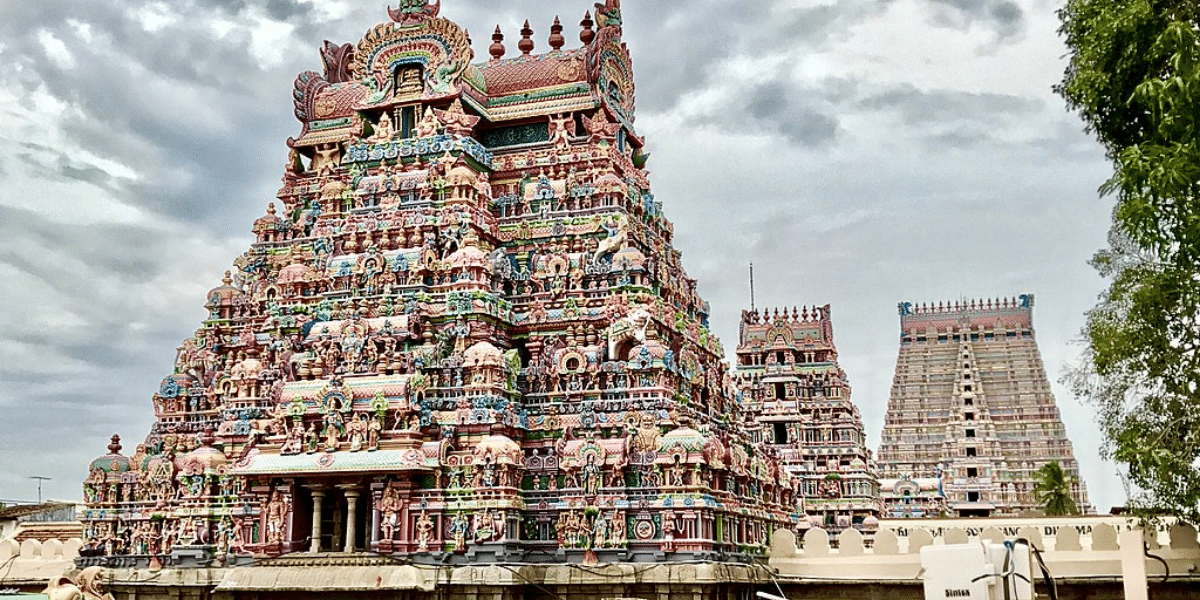
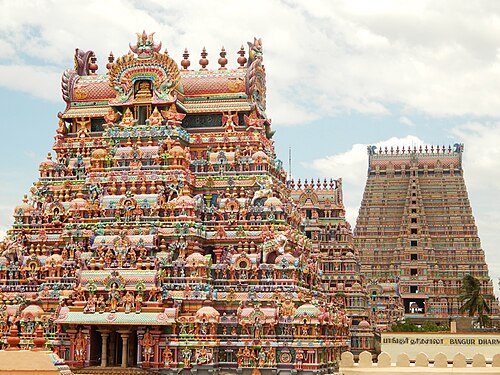
South India, in particular, is known for its grand temple complexes with towering gopurams, vast courtyards, and intricate carvings. Among these, the Srirangam Ranganathaswamy Temple in Tamil Nadu is the largest temple in India by area. Spanning about 156 acres, it is considered one of the world’s largest functioning temples, dedicated to Lord Vishnu.
Srirangam is an architectural wonder and a spiritual hub, drawing millions of devotees and visitors annually. Its scale, history, and religious importance make it a symbol of devotion and cultural pride.
In the sections ahead, we’ll explore why Srirangam is recognized as the biggest temple in India and its history, layout, and significance.
Criteria for “Biggest Temple in India”
When defining the biggest temple in India, it’s important to note that the term can be measured in different ways. India’s temple architecture is so diverse that “biggest” does not always mean the same thing everywhere. Let’s look at the main criteria:
1. By Area–The Srirangam Ranganathaswamy Temple in Tamil Nadu, covering around 156 acres, is the largest temple complex in India. With seven concentric enclosures, towering gopurams, and vast courtyards, it remains the biggest by sheer land coverage.
2. By Height-If we consider vertical scale, temples like the Ekambareswarar Temple in Kanchipuram and the Ranganathaswamy Temple’s Rajagopuram (standing at 239 feet) are among the tallest gopurams, often highlighted in discussions of the tallest temples in India.
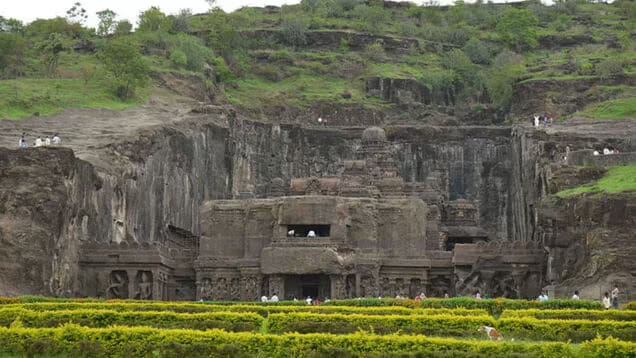
3. By Rock-Cut Scale–India also has monumental rock-cut temples. The Kailasa Temple at Ellora, carved from a single rock, is one of the most extraordinary examples of ancient Indian engineering and devotion. It redefines “biggest” through scale and craftsmanship rather than land area.
4. By Modern Constructions–Recent projects like the Ram Temple in Ayodhya and the upcoming Jagannath Temple in Digha, West Bengal, represent modern marvels of size and faith, adding to the evolving definition of temple grandeur.
Thus, the biggest temple in India can mean the largest by area, the tallest in height, the biggest rock-cut monument, or a modern mega-construction, each remarkable in its own way.
Sri Ranganathaswamy Temple–The Largest Temple in India
The Sri Ranganathaswamy Temple in Srirangam, Tamil Nadu, is india’s biggest temple. Dedicated to Lord Vishnu, this massive temple complex is a masterpiece of Dravidian architecture and devotion.
Location & Size
Spread across 156 acres, the temple resembles a fortified town with seven concentric enclosures (prakarams) and 21 towering gopurams. The Rajagopuram, standing at 239 feet, is one of the tallest temple towers in Asia. Its vast layout includes shrines, gardens, water tanks, and halls that house thousands of devotees during festivals.
History & Legends
The temple’s origins date back over 1,000 years, with significant contributions from the Cholas, Pandyas, Hoysalas, Nayaks, and Vijayanagara rulers. According to legend, the temple deity, Lord Ranganatha (a reclining form of Vishnu), was worshipped by King Ikshvaku and later consecrated here by the river goddess Kaveri. Over time, it became one of the most sacred shrines in Vaishnavism, forming part of the 108 Divya Desams revered by Alvars (Vaishnava saints).
UNESCO Recognition
The temple has been recognized as part of the tentative list of UNESCO World Heritage sites under the “Great Living Chola Temples,” highlighting its architectural and cultural importance.
Visitor Insights
A visit to Srirangam is both a spiritual and architectural experience. Devotees throng the temple during the Vaikunta Ekadasi festival, when lakhs of pilgrims gather for darshan. Beyond religious rituals, visitors are mesmerized by its intricate carvings, halls like the 1,000-pillared mandapam, and sprawling courtyards that reflect centuries of craftsmanship.
Sri Ranganathaswamy Temple
Feature
Details
Location
Srirangam, Tamil Nadu
Deity
Lord Ranganatha (Vishnu)
Area
156 acres
Structures
21 gopurams, 7 prakarams, 50 shrines
Tallest Tower
Rajagopuram – 239 ft
UNESCO Status
Tentative World Heritage Site
Significance
Largest functioning Hindu temple in the world
Top 10 Biggest Temple in India
Akshardham Temple, Delhi (Modern Marvel)
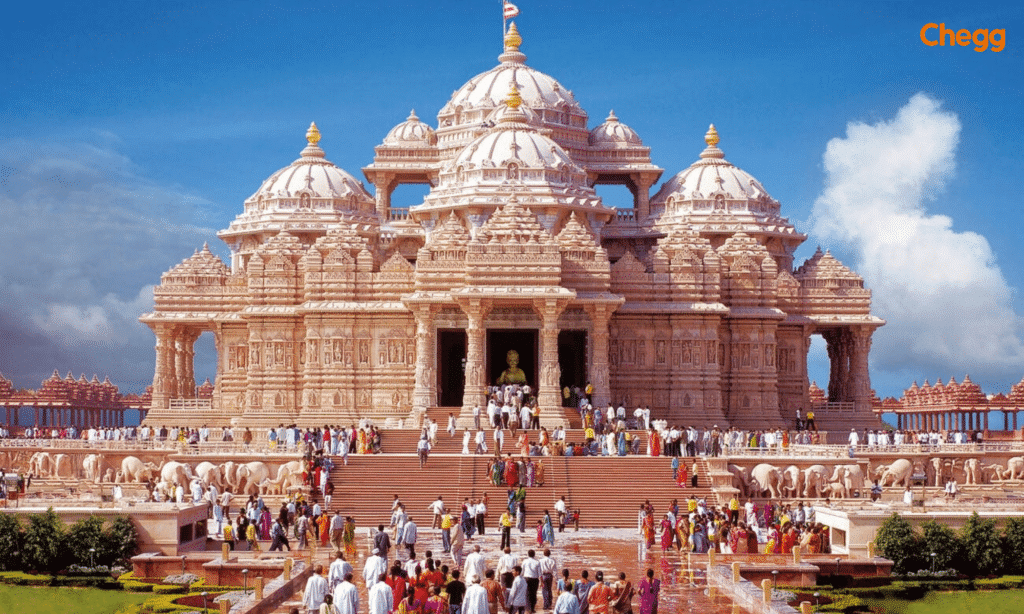
The Akshardham Temple in Delhi, inaugurated in 2005, is one of India’s most impressive modern temples. Spread across 100 acres, the temple complex is dedicated to Swaminarayan and showcases intricate carvings, landscaped gardens, and cultural exhibits. Its central monument is built without steel and uses pink sandstone and white marble. Akshardham holds a Guinness World Record as the world’s largest comprehensive Hindu temple complex. With attractions like the Yagnapurush Kund (musical fountain), IMAX-style cultural shows, and exhibitions on India’s heritage, it blends spirituality with education. Millions visit annually, making it a top spiritual and tourist landmark in Delhi.
Kailasa Temple, Ellora (Rock-Cut Wonder)
The Kailasa Temple at Ellora, Maharashtra, is the largest monolithic rock-cut temple in India. Carved in the 8th century under the Rashtrakuta king Krishna I, it is dedicated to Lord Shiva. The entire structure was painstakingly hewn from a single basalt rock, spanning a courtyard that measures 82 by 46 meters. Unlike most temples that rise upward through construction, Kailasa was excavated downward, a feat that still astonishes architects and historians. Intricately carved pillars, sculptures of deities, and panels from Hindu epics like the Ramayana and Mahabharata adorn the temple. It remains a UNESCO World Heritage Site and a timeless example of India’s engineering and artistic brilliance.
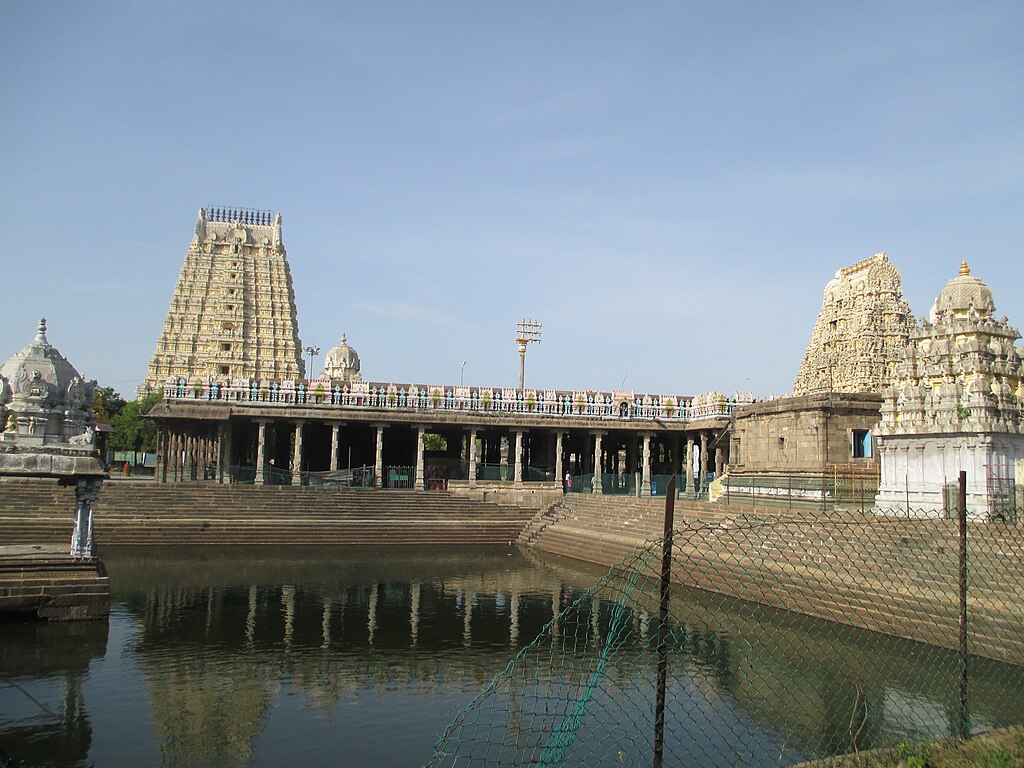
The Ekambareswarar Temple in Kanchipuram, Tamil Nadu, is one of the largest temples dedicated to Lord Shiva. Sprawling over 25 acres, it is especially famous for its Rajagopuram, which rises to about 58.5 meters (192 feet), making it one of the tallest temple towers in India. Believed to date back to the Pallava dynasty (7th century) and expanded by the Cholas and Vijayanagara rulers, it holds great mythological importance. According to legend, Goddess Parvati performed penance under a 3,500-year-old mango tree, which still stands in the temple precincts. Its massive corridors and halls make it an architectural gem of Tamil Nadu.
Lingaraj Temple, Bhubaneswar (Kalinga Classic)
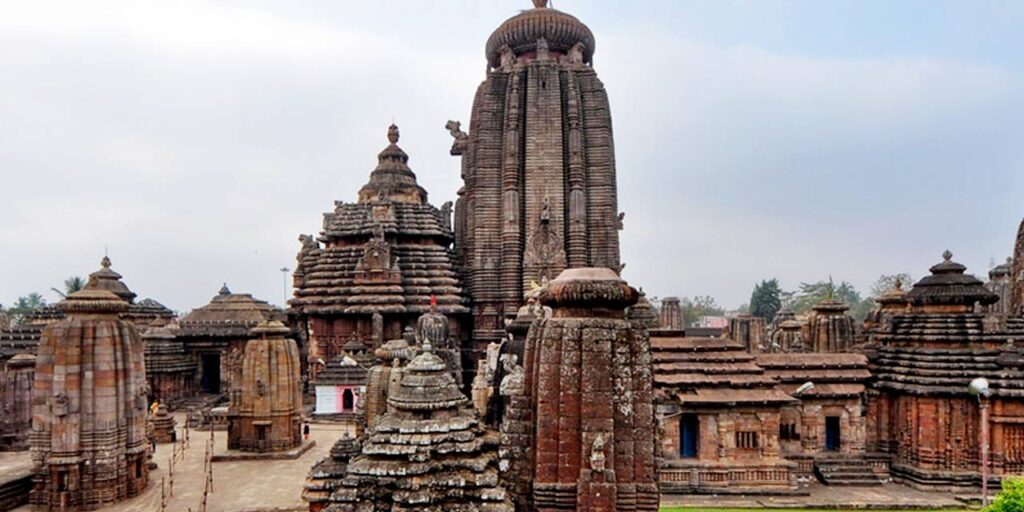
The Lingaraj Temple in Bhubaneswar, Odisha, is a magnificent example of Kalinga-style architecture. Built in the 11th century CE, it is dedicated to Lord Shiva and represents the culmination of Odisha’s temple-building tradition. The temple complex spans over 250,000 square feet and includes nearly 150 smaller shrines. Its central tower (Vimana) rises 180 feet, dominating the Bhubaneswar skyline. The temple also has a massive water tank called Bindusagar, which is used in rituals and festivals. Lingaraj is an architectural wonder and a vibrant religious hub, especially during Shivaratri, when thousands of devotees gather for grand celebrations.
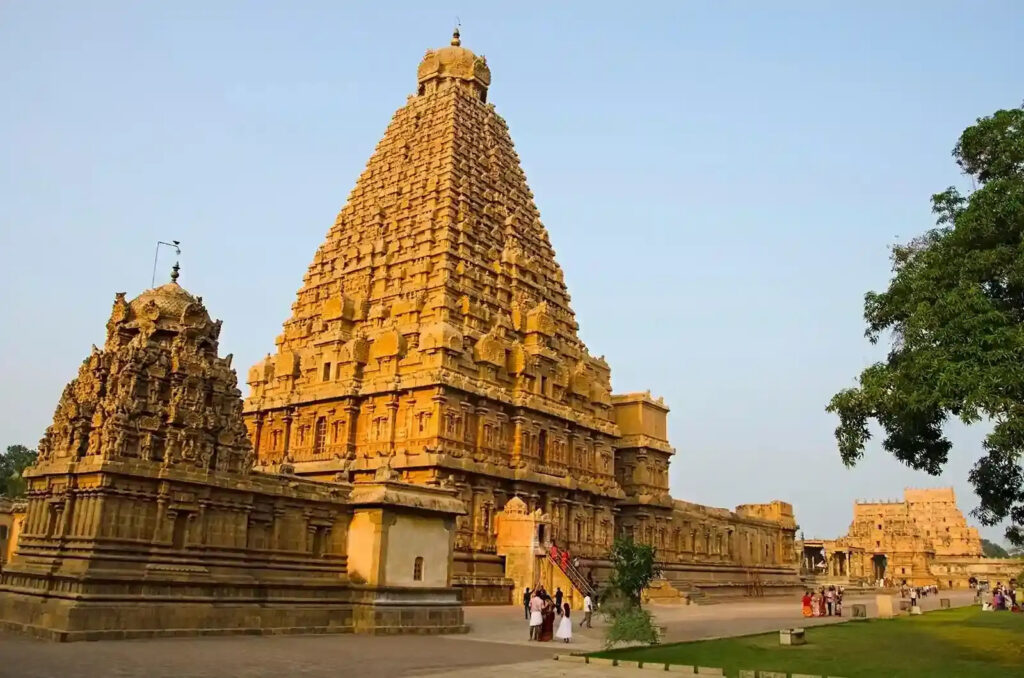
The Brihadeeswarar Temple, also known as Peruvudaiyar Kovil, was built in 1010 CE by Raja Raja Chola I in Thanjavur, Tamil Nadu. Dedicated to Lord Shiva, this UNESCO World Heritage Site is one of the finest achievements of Chola architecture. Its towering vimana (temple tower) rises to 66 meters (216 feet), and the temple is constructed entirely of granite. The massive Nandi statue, weighing around 25 tons, and the intricate frescoes further highlight its grandeur. Brihadeeswarar is not only one of the largest temples in India but also a symbol of the Cholas’ architectural innovation and devotion.
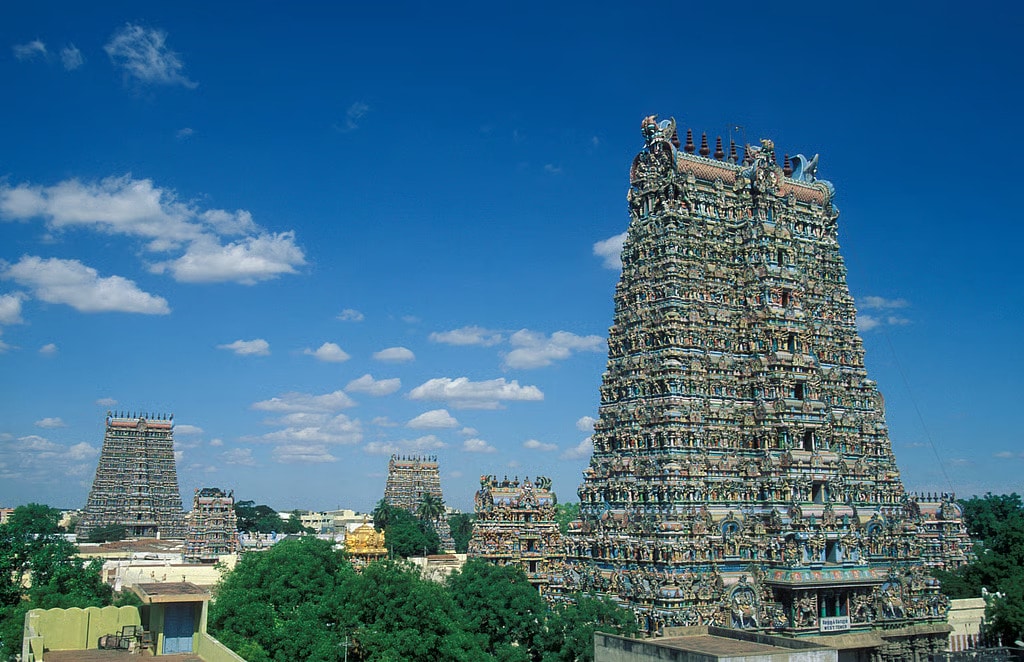
Located in Madurai, Tamil Nadu, the Meenakshi Amman Temple is among the most iconic temples in India. Dedicated to Goddess Meenakshi (a form of Parvati) and Lord Sundareswarar (Shiva), it covers 45 acres and is famed for its twin sanctums. The temple has 14 gopurams, richly decorated with colorful sculptures depicting gods, goddesses, and mythological figures. It attracts millions of pilgrims annually, especially during the Chithirai Festival, which draws enormous crowds. With its massive corridors, the famed “Hall of Thousand Pillars,” and unmatched artistry, Meenakshi Temple is both a religious and cultural jewel.
Jagannath Temple, Puri (Pilgrimage Landmark)
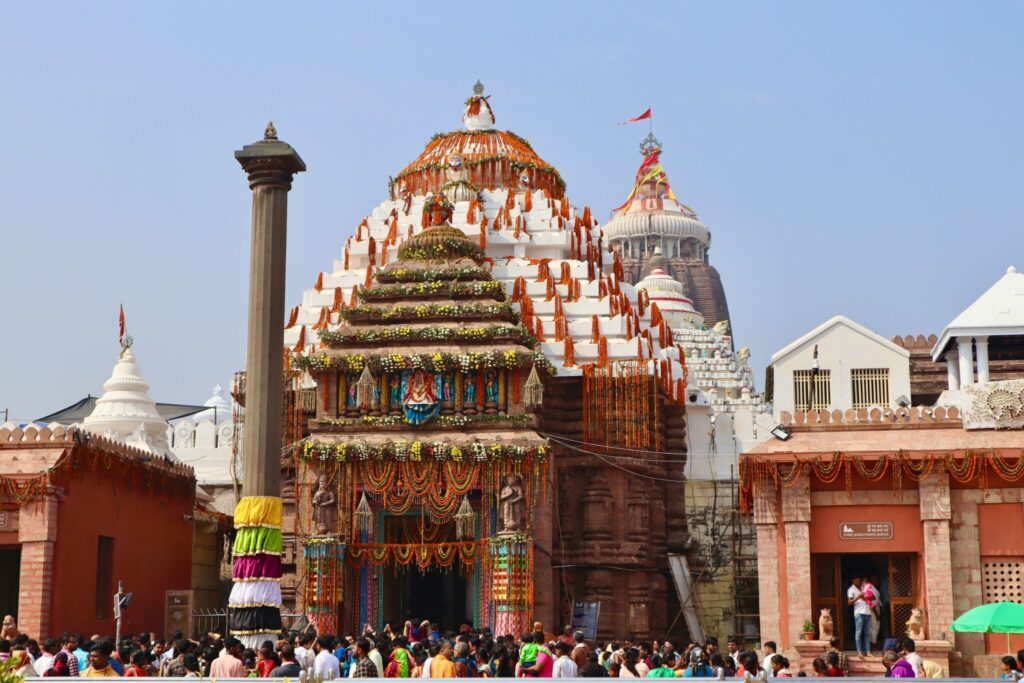
The Jagannath Temple in Puri, Odisha, is one of the Char Dham pilgrimage sites, making it one of India’s most important temples. Built in the 12th century by King Anantavarman Chodaganga Deva, it covers a massive 400,000 square feet area. The temple is dedicated to Lord Jagannath (a form of Vishnu), along with his siblings Balabhadra and Subhadra. Its annual Rath Yatra (chariot festival) is world-famous, drawing lakhs of devotees. Non-Hindus cannot enter the sanctum, but the temple’s scale, significance, and festivals make it a centerpiece of Indian spirituality.
Venkateswara Temple, Tirupati (Most Visited)
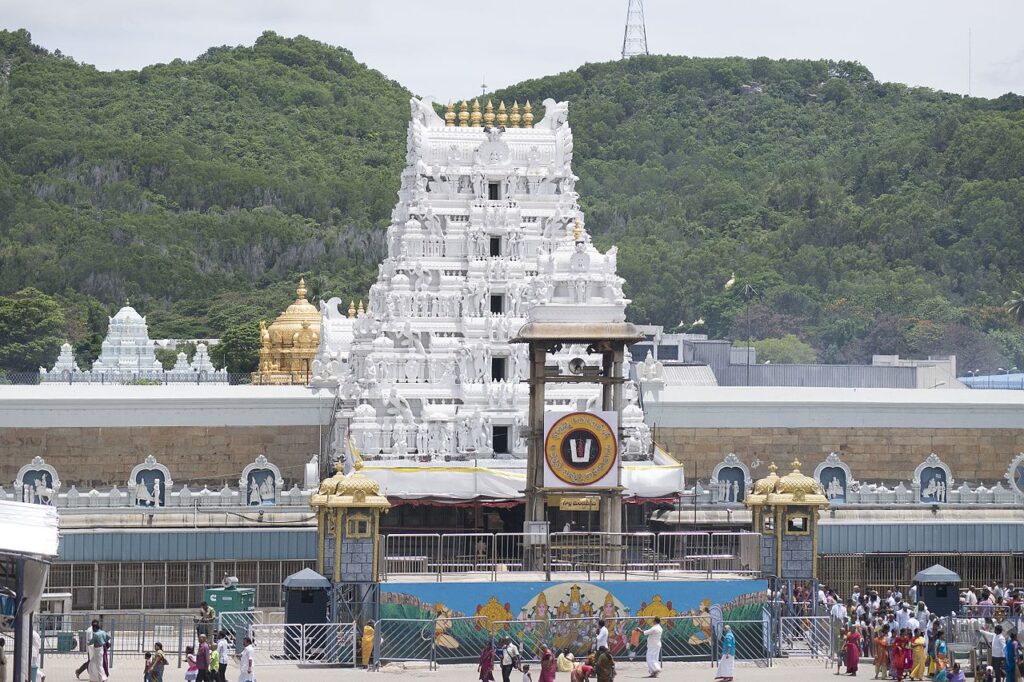
The Venkateswara Temple at Tirumala, Andhra Pradesh, is the most visited temple in India and one of the richest in the world. Dedicated to Lord Venkateswara (a form of Vishnu), it attracts over 50,000 pilgrims daily and receives donations worth billions of rupees annually. However, its complex covers less area than Srirangam or Puri; its religious influence and footfall are unmatched. The temple’s golden vimana, sacred rituals, and the famous laddu prasadam add to its global reputation. It is considered a must-visit pilgrimage for Vaishnavites worldwide.
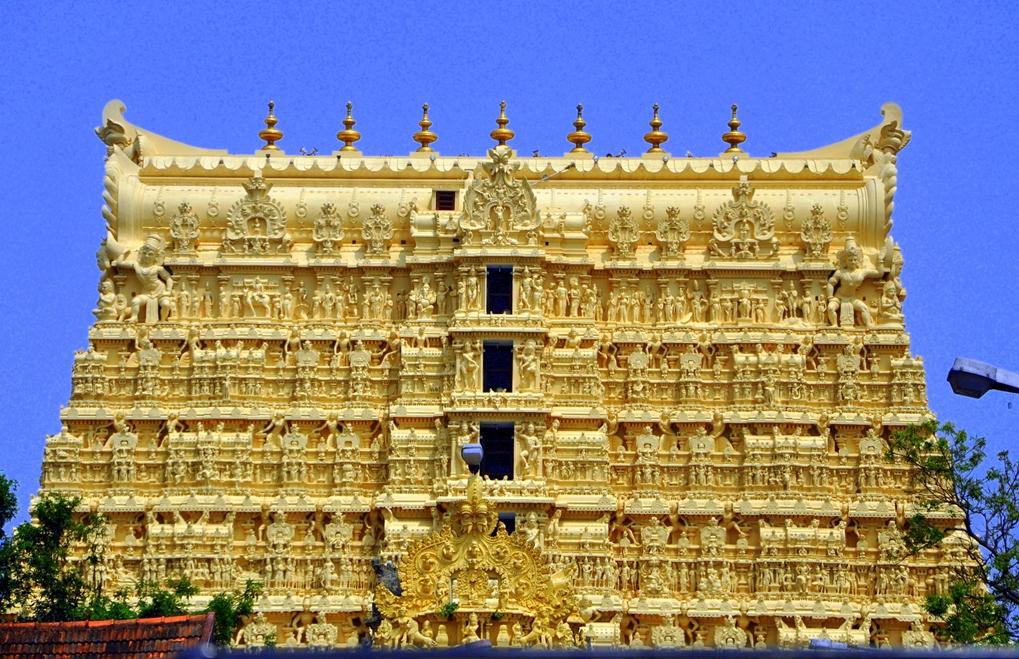
The Padmanabhaswamy Temple in Kerala is renowned as the richest temple in the world, with hidden treasures in underground vaults estimated to be worth billions. Dedicated to Lord Vishnu reclining on Ananta (serpent), the temple’s history dates back to antiquity, with the Travancore royal family’s major reconstructions in the 16th century. Architecturally, it blends Kerala and Dravidian styles, with a striking golden gopuram. The temple complex spans around 7 acres, but its global fame lies in its wealth, heritage, and religious significance.
Ram Temple, Ayodhya (Newly Consecrated 2024–25)
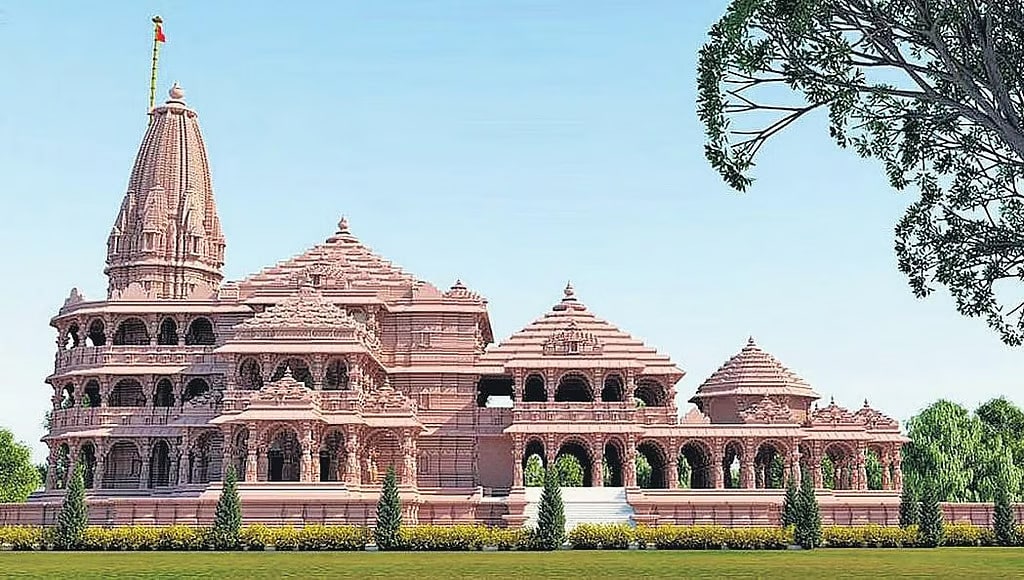
The Ram Mandir in Ayodhya, consecrated in January 2024, is India’s newest and one of the grandest temple complexes. Dedicated to Lord Rama, it has already witnessed an unprecedented 5.5 crore visitors within months of opening. Spread over 70 acres, the main temple is constructed in traditional Nagara style, with intricately carved sandstone pillars and shikharas. The complex also houses a massive park, museum, and prayer halls. The Ram Mandir is a religious center and national symbol, marking one of modern India’s most significant temple inaugurations.
Largest Temples in India
Temple
Location
Area/Height
Specialty
Year / Era
Srirangam Ranganathaswamy
Tamil Nadu
156 acres, Rajagopuram 239 ft
Largest temple complex in India
Ancient (early CE, expanded by Cholas)
Akshardham
Delhi
100 acres
Guinness World Record, modern marvel
2005
Kailasa Temple
Ellora, Maharashtra
82×46 m courtyard
Largest rock-cut monolithic temple
8th century CE
Ekambareswarar
Kanchipuram, TN
25 acres, gopuram 58.5 m
Tallest gopuram
Pallava/Chola era
Lingaraj Temple
Bhubaneswar, Odisha
250,000 sq. ft., 180 ft tower
Kalinga-style architecture
11th century CE
Brihadeeswarar
Thanjavur, TN
Vimana 66 m
UNESCO site, Chola masterpiece
1010 CE
Meenakshi Amman
Madurai, TN
45 acres, 14 gopurams
Twin sanctums, huge festivals
12th–17th centuries
Jagannath Temple
Puri, Odisha
400,000 sq. ft.
Rath Yatra, Char Dham site
12th century CE
Venkateswara
Tirupati, AP
Hilltop temple
Most visited, richest in donations
Ancient (expanded medieval era)
Padmanabhaswamy
Thiruvananthapuram, Kerala
7 acres
Wealthiest temple in the world
Antiquity–16th century CE
Ram Mandir
Ayodhya, UP
70 acres
Newly consecrated, modern symbol
2024
Emerging & Upcoming Mega Temples
India’s temple landscape continues to evolve with new mega-temple projects that combine spiritual devotion with modern architecture. These upcoming temples are designed on a massive scale, ensuring they become future landmarks while adding a freshness factor to the discussion of the biggest temple in India.
One of the most anticipated projects is the Jagannath Temple in Digha, West Bengal, which is expected to be inaugurated in 2025. Spread across 20 acres, this temple is modeled on the world-famous Jagannath Temple of Puri. With its towering shikharas, vast courtyards, and cultural complexes, it is set to become a major pilgrimage and tourism hub for eastern India.
Other significant upcoming temples include:
Vrindavan Chandrodaya Mandir, Uttar Pradesh – Planned to rise over 700 feet, it will be the tallest temple in the world once completed, blending devotion with futuristic design.
Statue of Equality Complex, Hyderabad – Dedicated to Ramanujacharya, the temple is accompanied by a grand spiritual campus and towering statue.
Expansions of sites such as the Akshardham complexes in Gujarat and the Ram Mandir’s more expansive Ayodhya campus.
These projects highlight how India’s temple tradition is not only about heritage but also about creating modern faith marvels that continue attracting millions of devotees.
Cultural, Historical & Architectural Importance
Temples in India are more than religious monuments; they are living museums of history, culture, and architecture. They have shaped India’s political, social, and spiritual landscape from ancient times as centers of community life, education, and the arts. Rulers across dynasties expressed their devotion and power through grand temple construction, leaving behind structures that continue to define India’s heritage.
Architectural Diversity
The architecture of India’s temples reflects the country’s diversity.
The Dravidian style (South India) is characterized by massive gopurams, pillared halls, and sprawling courtyards, as seen in Srirangam, Meenakshi, and Brihadeeswarar temples.
The Nagara style (North India) emphasizes curvilinear shikharas (spires) and compact layouts, visible in the Sun Temple at Konark and Khajuraho’s shrines.
Vesara style, a blend of the two, flourished in the Deccan regions, producing masterpieces like the Hoysaleswara Temple at Halebidu.
These styles symbolize spiritual thought, engineering, sculpture, and the advancement of fine arts.
Pilgrimage & Tourism Significance
Temples have always been vital pilgrimage destinations, drawing devotees from India and beyond. Sites such as Tirupati, Puri, and Varanasi attract millions annually, making them spiritual and economic centers. Festivals like Rath Yatra in Puri or Vaikunta Ekadasi in Srirangam transform temple towns into hubs of cultural celebration, uniting faith with tradition.
In modern times, temples also play a crucial role in tourism, contributing to local economies while showcasing India’s artistic legacy to the world. Whether ancient or newly built, these sacred spaces continue to embody the cultural heartbeat of India.
Visitor Guide: Travel Tips
Exploring the largest temples in India is a rewarding experience, but planning makes the journey smoother. The best time to visit most temples is from October to March, when the weather is pleasant. Many major temples also host grand festivals like the Rath Yatra in Puri, Vaikunta Ekadasi at Srirangam, and the Chithirai Festival at Madurai, offering a vibrant cultural experience.
Visitors should note that some temples have entry restrictions. For example, Jagannath Temple in Puri and Padmanabhaswamy Temple in Kerala allow entry only for Hindus. Dress codes are strictly enforced in many South Indian temples, requiring modest, traditional attire.
Nearby attractions also enhance temple visits: from the beaches near Puri and Digha to heritage sites like Thanjavur Palace near Brihadeeswarar Temple. Combining spiritual exploration with cultural sightseeing ensures a memorable temple tour across India.
Conclusion
The biggest temple in India are monumental structures and symbols of faith, heritage, and cultural pride. From ancient marvels like the Srirangam Ranganathaswamy Temple and Kailasa at Ellora to modern creations like Akshardham in Delhi and the newly consecrated Ram Mandir in Ayodhya, each temple tells a story of devotion blended with architectural brilliance.
These temples highlight India’s architectural diversity, the towering gopurams of Dravidian style, the curvilinear shikharas of Nagara design, and the balanced Vesara style of the Deccan. At the same time, new projects like the Digha Jagannath Temple and Vrindavan Chandrodaya Mandir show how India continues to build for the future while preserving tradition.
More than places of worship, temples remain cultural and social hubs, uniting communities through festivals, rituals, and tourism. They are reminders of India’s glorious past and its evolving present, inspiring awe and reverence worldwide.
The Sri Ranganathaswamy Temple in Srirangam, Tamil Nadu, is generally considered the largest functioning Hindu temple in the world.
Which is the largest temple in India?
Srirangam Temple is frequently cited as the largest operational Hindu temple in the world. In 2017, the temple received the “Award of Merit” category of the UNESCO Asia Pacific Award for Cultural Heritage Conservation Program. In Delhi, India, there is a complex of Hindu temples called Akshardham.
Which is the richest temple in the world?
The Padmanabhaswamy Temple in Thiruvananthapuram, Kerala, is often regarded as one of the wealthiest temples in India. This temple gained international attention after vast treasures, estimated to be worth billions of dollars, were discovered in its vaults.
Is Ram Mandir the biggest temple in the world?
The temple is 76 meters in width, 120 meters in length, and 49 meters in height. When the structure was finished, it was the third-largest Hindu temple in the world. Its design is based on the Māru-Gurjara architecture of the Nagara style, which is predominantly associated with Hindu temple buildings in northern India.
Which is the Biggest temple in the world?
Angkor Wat in Cambodia is generally considered the largest religious structure in the world. Though originally Hindu, it’s now a Buddhist temple.
Authored by, Muskan Gupta Content Curator
Muskan believes learning should feel like an adventure, not a chore. With years of experience in content creation and strategy, she specializes in educational topics, online earning opportunities, and general knowledge. She enjoys sharing her insights through blogs and articles that inform and inspire her readers. When she’s not writing, you’ll likely find her hopping between bookstores and bakeries, always in search of her next favorite read or treat.