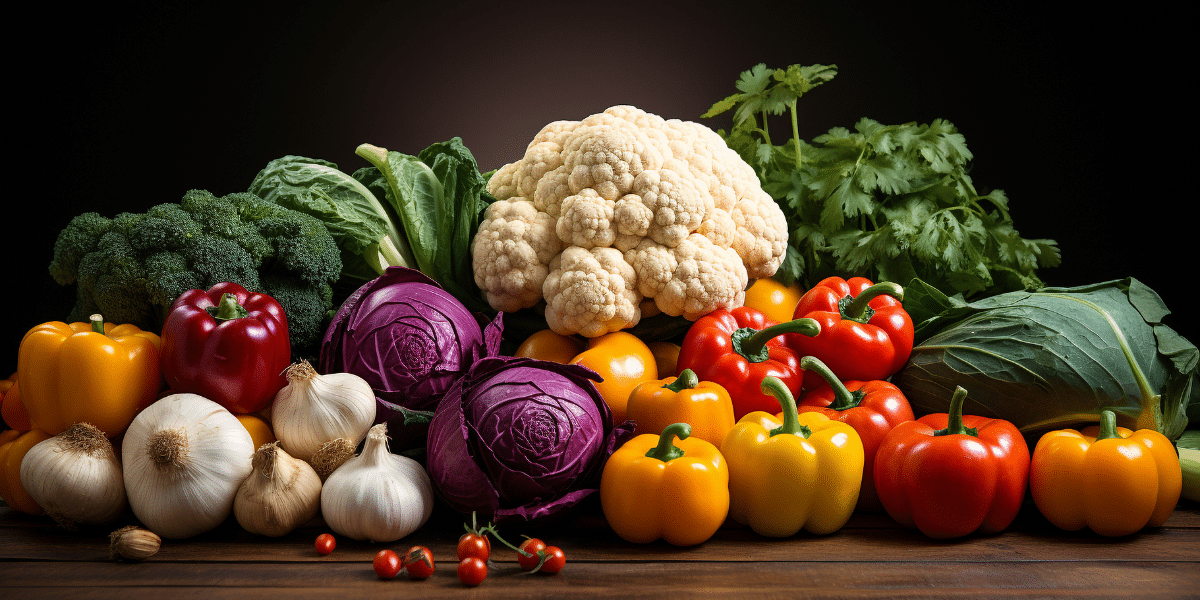
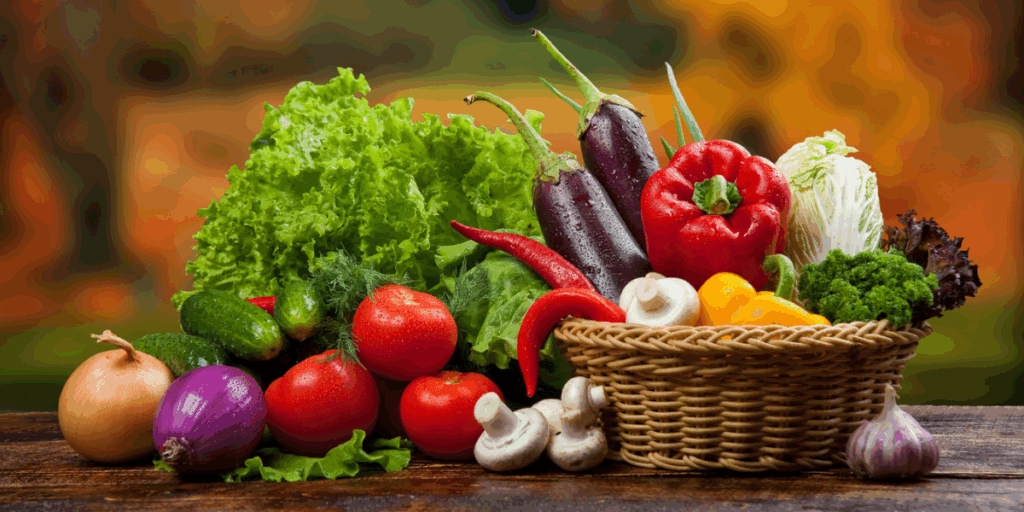
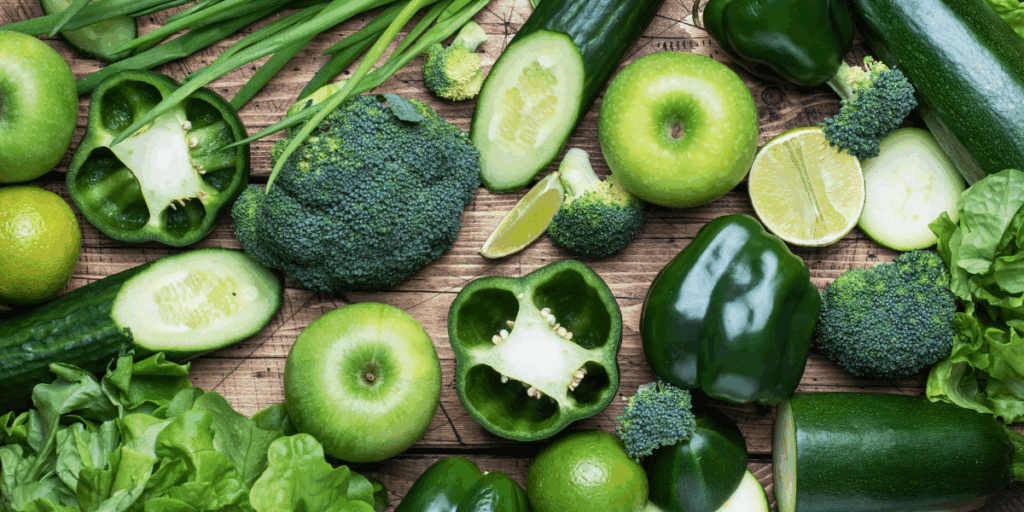
Vegetables are the natural source of important nutrients like vitamins A, C, K, B6, and B12. They are also rich in minerals like calcium, iron, magnesium, phosphorus, potassium, zinc, manganese, and sodium.
Include various vegetables in your daily meals to strengthen the immune system and have a balanced diet.
You can choose from leafy greens to colourful root vegetables to create tasty and healthy recipes, like spinach smoothies and beetroot soup. Eat seasonal vegetables for the best results.
Table of Contents
If you’re looking for a comprehensive list of 100 vegetables name, you’ve come to the right place. This list is a handy reference for students, home cooks, and anyone interested in expanding their general knowledge about vegetables. For students, it can be a helpful study aid for biology, nutrition, or competitive exams. Home cooks will find it helpful when planning meals, exploring new recipes, or learning about seasonal vegetables.
Additionally, general knowledge seekers can use it to enhance their awareness of common and uncommon vegetables, their origins, and culinary uses. Organized and easy to read, this list ensures that everyone, from learners to food enthusiasts, can quickly find and identify the vegetables they need.
Vegetables are available as shoots, roots, leaves, tubers, bulbs, legumes, and flowers. Vegetables come in diverse shapes, sizes, colours, and flavours. You can roast them, steam them, blend them into smoothies, or enjoy them raw. They come in countless varieties, textures, and tastes, making finding options you truly enjoy easy.
Let’s learn about 100 vegetables name, their identifying features, nutritional value, and origin.
Why Knowing Vegetables Name Is Important
Knowing the names of vegetables offers multiple benefits for health, education, and daily life. Understanding types of vegetables helps maintain a balanced diet, as vegetables are rich in vitamins, minerals, and fiber essential for proper nutrition. This knowledge improves cooking skills for home cooks, making it easier to choose the right ingredients and experiment with new recipes. Students and competitive exam aspirants also benefit, as questions about vegetables and their uses frequently appear in exams. Using resources like vegetables with pictures helps in quick identification, especially for beginners and children, making learning more effective.
Being familiar with vegetables encourages healthier eating habits, broadens culinary knowledge, and enhances general awareness. Overall, knowing vegetable names supports both personal well-being and educational growth.
Types of Vegetables (Categorization)
Vegetables can be categorized based on the part of the plant we consume. Understanding these types of vegetables helps in meal planning, nutrition, and culinary use.
Leafy Vegetables: Spinach and lettuce are rich in vitamins A, C, and K, promoting healthy digestion and immunity.
Root Vegetables: Carrots and beetroot grow underground and are packed with fiber and antioxidants, which support eye and heart health.
Stem Vegetables: Asparagus and celery offer unique textures and essential nutrients like vitamins and minerals.
Fruit Vegetables: Tomatoes and bell peppers are botanically fruits but used as vegetables; they are high in vitamins and antioxidants.
Flower Vegetables: Cauliflower and broccoli are flowers we consume, providing fiber and essential nutrients for overall well-being.
Tuber Vegetables: Potatoes and sweet potatoes store energy in their tubers and are rich in carbohydrates, helping maintain energy levels.
Legumes: Beans and peas are protein-rich vegetables, important for vegetarian diets and muscle health.
Categorizing vegetables enhances nutritional awareness and helps select the right ingredients for cooking balanced and healthy meals.
What Are the 100 Vegetables Name?
Below is a comprehensive list of vegetables name, designed to help students, home cooks, and general knowledge seekers identify and learn about familiar and lesser-known vegetables. Each entry includes the vegetable’s local/Indian name, botanical name, and a brief description highlighting its benefits or uses. Small thumbnail images can be added next to each name for better recognition.
100 Vegetables (A–Z)
Amaranth (Chaulai) – Leafy green; rich in iron and calcium.
Artichoke – High in fiber and antioxidants; supports digestion.
Arum (Arbi) – Root vegetable; rich in carbohydrates and fiber.
Ash Gourd (Petha) – Hydrating; supports digestion and cooling.
Avocado – Creamy vegetable; rich in healthy fats and vitamins.
Bamboo Shoots – Crunchy; low-calorie, high in fiber.
Bean Sprouts (Moong Sprouts) – High in protein and fiber; aids digestion.
Beetroot (Chukandar) – Root; improves blood circulation and heart health.
Bitter Gourd (Karela) – Regulates blood sugar; commonly used in Indian cooking.
Black Eyed Peas (Lobia) is a protein–rich legume that supports muscle health.
Bottle Gourd (Lauki) – Low-calorie; aids hydration and weight management.
Broccoli – Rich in vitamins C, K, and fiber; boosts immunity.
Brussels sprouts are high in fiber and antioxidants and support heart health.
Cabbage (Patta Gobhi) – Packed with fiber and vitamin C; aids digestion.
Capsicum (Shimla Mirch) – High in vitamin C; adds color and flavor.
Carrot (Gajar) – Rich in beta-carotene; improves vision and immunity.
Cauliflower (Phool Gobhi) – Supports detoxification; high in fiber and vitamin C.
Celery – Low-calorie; promotes digestion and hydration.
Chayote – Hydrating; high in fiber and vitamin C.
Chickpea (Chana) is a protein–rich legume that supports muscle health.
Chilli (Mirchi) – Spicy; rich in antioxidants and vitamin C.
Cluster Beans (Guar) – High in fiber and protein; aids digestion.
Collard Greens – Leafy vegetable rich in vitamins A, C, and K.
Corn (Makai) – Sweet, starchy vegetable; provides energy and fiber.
Japanese Pumpkin (Kabocha) – Rich in vitamins A and C; supports immunity.
Malanga is a root vegetable that is high in carbohydrates and fiber.
Nettle Leaf – Leafy green; rich in iron and antioxidants.
Sweet Pepper – Sweet, colorful; high in vitamin C.
White Radish – Root vegetable; aids digestion.
Yellow Chilli – Adds color and spice; rich in vitamin C.
Yam Bean (Jicama) – Crunchy root; high in fiber and water content.
Young Corn (Makai) – Immature corn; tender and sweet; nutrient-rich.
Zostera is an edible aquatic plant that is rich in minerals.
Chayote Leaves – Leafy greens; rich in vitamins and minerals.
Spinach Amaranth Mix – Leafy green combination; rich in iron and vitamins.
Thai Eggplant – Small green eggplants; high in fiber and antioxidants.
Turmeric Root (Haldi) – Used as a spice and a vegetable; has anti-inflammatory properties.
Kohlrabi Leaves – Leafy greens of kohlrabi; rich in vitamins and minerals.
Nutritional Benefits of Common Vegetables
Vegetables are essential to a healthy diet, providing vitamins, minerals, fiber, and antioxidants that support overall well-being. Here are some commonly consumed vegetables and their nutritional benefits:
Carrot – Improves vision and is rich in beta-carotene and vitamin A.
Spinach – High in iron, calcium, and vitamins A, C, and K; supports bone health and immunity.
Broccoli – Packed with fiber, vitamin C, and antioxidants; promotes heart health and digestion.
Tomato – Contains lycopene and vitamin C; helps reduce the risk of chronic diseases.
Cauliflower – Rich in fiber, vitamin C, and antioxidants; supports detoxification and immunity.
Cabbage – High in vitamin K, C, and fiber; aids digestion and strengthens bones.
Beetroot – Loaded with folate and antioxidants; improves blood circulation and heart health.
Bottle Gourd (Lauki) – Low-calorie vegetable; helps in hydration and weight management.
Bell Pepper (Capsicum) – Rich in vitamin C and carotenoids; boosts immunity and eye health.
Sweet Potato – High in fiber, vitamins A and C; supports digestion and immunity.
Drumstick – Contains vitamins A, C, and calcium; strengthens bones and improves immunity.
Daily, incorporating a variety of vegetables ensures a balanced intake of essential nutrients, promotes good digestion, supports immunity, and reduces the risk of chronic illnesses.
Vegetables by Season in India
Seasonal vegetables ensure better taste and nutrition and support local farming and sustainable diets. In India, vegetables are commonly categorized by the season they grow best, helping readers plan their meals and recipes effectively.
Summer Vegetables: Include cucumber, bitter gourd (karela), bottle gourd (lauki), ridge gourd (turai), and okra (bhindi). These vegetables are hydrating, light, and ideal for hot weather.
Winter Vegetables: Include carrot (gajar), cauliflower (phool gobhi), cabbage (patta gobhi), spinach (palak), and beetroot (chukandar). Winter vegetables are rich in vitamins and minerals, boosting immunity and keeping the body warm.
Rainy Season Vegetables: Include pumpkin (kaddu), yam (ratalu), colocasia (arbi), drumstick (sahjan), and leafy greens like amaranth (chaulai). These vegetables help maintain digestive health and provide essential nutrients during the humid season.
Planning meals according to seasonal vegetables ensures maximum freshness, flavor, and nutrition. For more ideas, readers can explore seasonal recipes to incorporate these vegetables into their daily diets.
What are the types of Vegetables?
Vegetables are classified based on the part of the plant we eat: roots, stems, leaves, flowers, and more. Let’s explore each type with examples.
Category
Examples
Leafy Vegetables
Spinach, Lettuce, Fenugreek
Root Vegetables
Carrot, Radish, Beetroot
Tuber Vegetables
Potato, Yam, Sweet Potato
Fruit Vegetables
Tomato, Brinjal, Pumpkin
Bulbs
Onion, Garlic, Leek
Flower Vegetables
Cauliflower, Broccoli
Stem Vegetables
Asparagus, Celery
Vegetables are a diverse group of edible plant parts crucial for a healthy diet. They are generally low in calories and rich in essential nutrients like vitamins, minerals, and fiber. When consumed regularly, vegetables help boost immunity, support digestion, reduce the risk of chronic diseases, and promote overall wellness.
Root Vegetables
Root Vegetables grow underground and store nutrients in their roots.
Radish – White or red root with a peppery taste; a good Vitamin C and potassium source.
Beetroot – Deep red, sweet root; high in iron, folate, and nitrates.
Stem Vegetables
These are edible stems of plants, usually soft and fibrous.
Celery – Long, crunchy green stalks; rich in fiber and Vitamin K.
Asparagus – Green spear-like stem; packed with antioxidants and folate.
Kohlrabi – Bulbous stem with leaves; contains Vitamin C and fiber.
Leaf Vegetables
Also called leafy greens, these are the edible leaves of plants.
Spinach – Soft green leaves; loaded with iron, calcium, and Vitamin K.
Lettuce – Crisp leafy vegetable; high in water content and folate.
Fenugreek (Methi) – Small bitter leaves; rich in fiber and antioxidants.
Flower Vegetables
These are the edible flowers or flower buds of plants.
Cauliflower – White compact flower head; rich in Vitamin C and choline.
Broccoli – Green flower buds with stalks; contains fiber, iron, and Vitamin K.
Banana Blossom – Purplish flower of the banana tree; full of fiber and antioxidants.
Bulb Vegetables
Underground bulbous structures made of layered leaves.
Onion – Layered, pungent bulb; source of antioxidants and Vitamin C.
Garlic – Small cloves in a bulb; known for allicin and immune-boosting properties.
Leek – Long, greenish-white stalks; high in Vitamin A and manganese.
Fruit Vegetables
Botanically, fruits grow from flowers and contain seeds.
Tomato – Juicy red fruit; high in lycopene and Vitamin C.
Brinjal (Eggplant) – Purple glossy fruit; contains fiber and antioxidants.
Capsicum (Bell Pepper) – Colorful fruit rich in Vitamin A and C.
Tuber Vegetables
These are thickened underground stems storing energy.
Potato – Brown skin, starchy flesh; rich in carbohydrates and potassium.
Sweet Potato – Orange-fleshed, sweet tuber; full of beta-carotene and fiber.
Yam – Larger, rougher than sweet potato; source of Vitamin B6 and manganese.
Tips to Identify and Store Vegetables
Knowing how to identify fresh vegetables and store them properly can significantly enhance their nutritional value and shelf life. Here are some simple tips:
Check for Freshness: Look for bright colors, firm texture, and absence of blemishes or soft spots. Leafy vegetables should be crisp, and roots should feel solid.
Smell Test: Fresh vegetables often have a natural, mild aroma. Avoid those with sour or off smells.
Proper Storage: Store leafy greens in perforated plastic bags in the refrigerator. Root vegetables like carrots, radish, and beetroot last longer in cool, dark places. Tomatoes and potatoes should be kept at room temperature away from direct sunlight.
Separate Storage: Keep fruits and vegetables apart, as some fruits emit ethylene gas that can accelerate spoilage.
Following these simple identification and storage tips ensures that vegetables remain fresh, nutritious, and ready for meal use.
Conclusion
Vegetables are essential to a healthy lifestyle, providing vital nutrients, fiber, and antioxidants that support overall well-being. Knowing the names of vegetables, their types, and their nutritional benefits helps students, home cooks, and general knowledge seekers make informed choices in daily life. Seasonal awareness allows for fresher, more flavorful, and nutrient-rich meals, while proper identification and storage ensure longevity and quality. By exploring this comprehensive list, readers can enhance their diets, plan balanced meals, and expand their culinary knowledge.
Incorporating a variety of vegetables boosts health and encourages experimentation in cooking and learning. Make vegetables a routine and enjoy their diverse flavors, textures, and health benefits.
What are some nutrient-dense vegetables to include in a balanced diet?
To make a balanced meal, you can choose from many nutrient-dense types of vegetables. Include spinach, kale, broccoli, and beans to get vitamins A, C, and K, along with iron. Vegetables like carrots, Swiss chard, green peas, beetroot, and cauliflower contain minerals like calcium, potassium, magnesium, and zinc.
How can I identify fresh vegetables at the store?
Fresh vegetables are easy to identify with their vibrant colours and firm texture. In addition, try to press the vegetable gently to ensure it is not mouldy or mushy. Try to avoid the ones with a brownish hue covering their usual colour. Reject leafy vegetables if they smell foul.
What are the best ways to cook vegetables to retain nutrients?
Many vegetables lose their nutrients when cooked over a high flame or deep-fried. For best results, start with blanching veggies. Blanching kills bacteria without reducing nutrients. You can also steam and saute vegetables to preserve vitamins A, C, and K. Sauteing also enhances the flavour of veggies.
Are all vegetables low in calories?
While most vegetables are low in calories, many have high-calorie foods. Vegetables that are starchy and derived from roots are calorie-dense due to the high amount of carbohydrates. Different vegetables, such as potatoes, sweet potatoes, beets, yams, parsnips, carrots, pumpkin, butternut squash, and acorn squash, are high in calories.
How can I encourage kids to eat more vegetables?
To encourage your child to eat more vegetables, teach them about their importance and health benefits. Try sneaking in veggies as side dishes, toppings, sauces, and dips in their favourite meals. Take them to the store to let them pick vegetables of their choice from various choices.
Authored by, Muskan Gupta Content Curator
Muskan believes learning should feel like an adventure, not a chore. With years of experience in content creation and strategy, she specializes in educational topics, online earning opportunities, and general knowledge. She enjoys sharing her insights through blogs and articles that inform and inspire her readers. When she’s not writing, you’ll likely find her hopping between bookstores and bakeries, always in search of her next favorite read or treat.