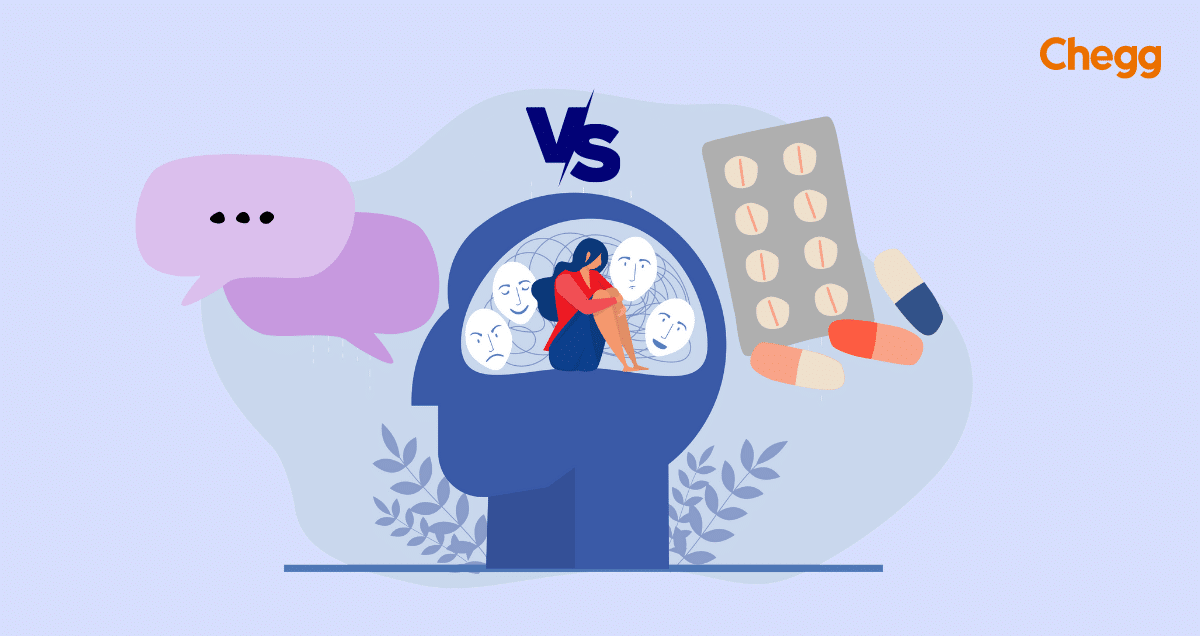
Difference Between Psychiatrists and Psychologists

Psychiatrist vs Psychologist: Key Differences & Insights for 2025

Published on September 19, 2025
|
9 Min read time
Difference Between Psychiatrists and Psychologists

Quick Summary

  • Psychiatrists are medical doctors who prescribe medication. Psychologists focus on therapy and behavioral support.
  • Both play essential roles in mental health care in 2025.
  • Choose based on your needs, whether medical treatment or talk therapy.

Table of Contents

Understanding the difference between a psychiatrist vs psychologist is important for anyone looking for mental health support or considering a career in this area. Both professionals aim to improve mental well-being, but their training, roles, and methods differ a lot. Psychiatrists are medical doctors. They can diagnose mental health conditions, prescribe medication, and provide medical treatments. On the other hand, psychologists usually have advanced degrees in psychology. They focus on therapy, counseling, and behavioral methods.

As mental health awareness increases in 2025, choosing the right professional for your needs is more crucial than ever. Whether you’re interested in medication management or talk therapy, understanding these differences helps you make informed choices about your care and career. Let’s look at the unique strengths and responsibilities of psychiatrists and psychologists.

psychiatrist vs psychologist

Who are Psychologists vs Psychiatrists?

Psychologists and psychiatrists are both involved in mental health. Let’s examine both of these jobs in great detail.

Psychologists

A psychologist is a professional who studies human behavior and mental processes. They specialize in therapy, psychological assessments, and research but cannot prescribe medication in most regions (except in some U.S. states where they have additional training in psychopharmacology).

Psychiatrists

A psychiatrist is a medical doctor (M.D. or D.O.) specializing in the diagnosis, treatment, and prevention of mental illnesses. Since they are medical professionals, they can prescribe medication and offer a wide range of treatment options, including psychotherapy, medication management, and medical procedures such as electroconvulsive therapy (ECT).

Earn Online with Chegg No Investment Required

Psychiatrist vs Psychologist: Roles & Responsibilities

Psychiatrist

  1. Diagnosing and treating mental health disorders
  2. Prescribing medications such as antidepressants, antipsychotics, and mood stabilizers
  3. Conducting medical and psychological evaluations
  4. Performing procedures like electroconvulsive therapy (ECT) for severe cases
  5. Providing psychotherapy or referring patients to a psychologist for therapy
  6. Monitoring patients’ progress and adjusting treatment plans as needed

Psychologist

  1. Conducting therapy sessions to help individuals cope with mental health issues
  2. Performing psychological assessments and tests to diagnose conditions
  3. Researching behavioral patterns and mental health disorders
  4. Providing counseling for emotional and behavioral problems
  5. Working with schools, hospitals, businesses, and research institutions
  6. Collaborating with psychiatrists and other healthcare professionals for patient care

Psychiatrist vs Psychologist: Educational Qualifications

psychiatrist vs psychologist

Psychologists vs. psychiatrists have different educational pathways. Both professions are in the same field of mental health. Here is the clear difference between a Psychologist vs. Psychiatrist:

Psychiatrist

  1. Earn a Bachelor’s Degree – Typically in psychology, biology, or pre-med studies.
  2. Attend Medical School – Four years of medical training to earn an M.D. or D.O.
  3. Complete a Residency in Psychiatry – Four years of supervised training in psychiatric hospitals and clinical settings.
  4. Obtain a Medical License and Board Certification – Required to practice legally.
  5. Optional Specialization – Further training in areas like child psychiatry, forensic psychiatry, or addiction psychiatry.

Psychologist

  1. Earn a Bachelor’s Degree – Typically in psychology or a related field.
  2. Complete a Master’s or Doctoral Program (Ph.D. or Psy.D.) – Required for clinical practice.
  3. Complete Supervised Internship and Training – Necessary for licensure.
  4. Obtain Licensure and Certification – Required to practice professionally.
  5. Specialize in a Specific Area – Such as clinical psychology, forensic psychology, or educational psychology.

Difference between Psychologists and Psychiatrists

AspectPsychiatristsPsychologists
TrainingMedical degree (MD or DO) + residencyDoctoral degree (Ph.D. or Psy.D.) in psychology
FocusDiagnosis, treatment, and management of mental disordersBehavioral and mental health assessment, therapy
Prescription RightsCan prescribe medicationsCannot prescribe medications
Treatment MethodsMedication management, psychotherapyPsychotherapy (various types), counseling
Medical ConditionsTreat mental health issues as well as underlying physical conditionsFocus primarily on mental and emotional issues
SettingsHospitals, clinics, private practicePrivate practice, schools, universities
ApproachMedical and psychological approachPsychological and behavioral approach
CollaborationOften collaborate with psychologists and therapistsCollaborate with psychiatrists and other professionals
ExamplesDr. Smith, a psychiatrist treating patients with schizophreniaDr. Jones, a psychologist specializing in cognitive behavioral therapy

When to See a Psychiatrist vs Psychologist?

You should see a psychiatrist if:

  1. You have severe mental health conditions like schizophrenia, bipolar disorder, or major depression.
  2. You need medication management for mental health issues.
  3. You have a mental illness with physical symptoms (e.g., hallucinations, severe anxiety, or suicidal thoughts).

You should see a psychologist if:

  1. You need therapy for issues like stress, anxiety, relationship problems, or trauma.
  2. You want to undergo cognitive behavioral therapy (CBT), psychoanalysis, or counseling.
  3. You need psychological testing and assessments for ADHD, learning disabilities, or personality disorders.

Psychiatrist & Psychologist Salaries in India

In India, the average salaries for psychiatrists and psychologists vary based on experience, location, and specialization:

  • Psychiatrist: ₹12L–₹30L+ per year (can go higher with experience and private practice)
  • Psychologist: ₹4L–₹15L per year (clinical psychologists may earn more)

Psychiatrists typically earn more as they are medical doctors who can prescribe medication.

Collaboration Between Psychiatrists vs Psychologists

In many cases, psychiatrist and psychologist work together to provide comprehensive mental health care. For example:

  • A psychiatrist may diagnose a patient with depression and prescribe medication, while a psychologist provides therapy to help them cope with emotional stress.
  • A psychologist may refer a patient to a psychiatrist if they suspect medication might be necessary for their treatment.

Benefits of Seeing a Psychiatrist vs Psychologist

  1. Improved Mental Health: Access to treatment options tailored to individual needs.
  2. Holistic Care: Psychiatrists focus on medical treatment, while psychologists provide therapeutic support.
  3. Personalized Therapy Plans: Custom treatment plans for each patient’s condition.
  4. Emotional Support: Psychologists help individuals navigate life challenges and stressors.

Psychologists vs Psychiatrists: Treatment Methods

Psychologists

  1. Primarily use therapy and behavioral interventions.
  2. Common therapies include: Cognitive Behavioral Therapy (CBT); Psychodynamic Therapy; Humanistic Therapy; Dialectical Behavior Therapy (DBT).
  3. Cannot prescribe medication (except in some regions with extra certification).
  4. Focus on emotional, behavioral, and cognitive issues.
  5. Help patients develop coping mechanisms and behavioral changes.
  6. Treat conditions like anxiety, depression, PTSD, phobias, and relationship issues

Psychiatrists

  1. Focus on medication management and therapy.
  2. Can prescribe psychiatric medications (e.g., antidepressants, antipsychotics, mood stabilizers).
  3. Use treatments like: Electroconvulsive Therapy (ECT) (for severe cases); Medication-based intervention; Psychotherapy (some psychiatrists offer therapy in combination with medication).
  4. Manage severe mental health disorders like schizophrenia, bipolar disorder, and severe depression.
  5. Often hospitalize patients in extreme cases or crises.
  6. Address biological and chemical imbalances in the brain.

Psychologists focus on therapy and behavioral change, while psychiatrists use medications and medical treatments to manage mental health disorders.

When to Consult a Psychologist

Mental health is a very important part of maintaining sound physical health. If you are not aware of when you should see a doctor for mental illness, we’ll help.

This article can help you a lot in understanding what’s the difference between psychology and psychiatry. Most people in our society are not conscious of their mental health.

Mental and physical health are related to each other. Both are equally important to leading a healthy and sound life. Here is a list of mental illnesses for which you should consult a Psychologist:

  1. Depression, stress, or anxiety
  2. Alcohol and drug abuse
  3. Eating disorders
  4. Fears and phobias
  5. Low self-esteem
  6. Traumatic stress disorder

When to Consult a Psychiatrist

Psychiatrists work in different ways. They can use a combination of treatments, including psychotherapy, counseling, and medication such as antidepressants. A psychiatrist can usually admit people to the hospital if needed. A psychiatrist can help with many mental health conditions, such as:

  1. Severe depression
  2. Anxiety disorders
  3. Complex conditions like schizophrenia and bipolar disorder
  4. Eating disorders
  5. hyperactivity disorder
  6. compulsive disorder
  7. Post-traumatic stress disorder
  8. Suicidal thoughts
  9. Self-harm
  10. Persistent symptoms of mental disorders

Key Mental Health Trends in 2025

1. Telehealth & Hybrid Care Models

  • Telepsychiatry continues to be an effective, scalable way to provide psychiatric care through both phone and video (with similar outcomes to an in-person session).
  • Teletherapy for psychologists has also gone mainstream-67% of U.S. psychologists now offer teletherapy, while 20% did prior to the pandemic. The online therapy market is expected to surpass $64 billion by 2025.
  • Hybrid medication management (psychiatry) and virtual therapy (psychology) models are also becoming commonplace as they offer greater access and flexibility.

2. Artificial Intelligence and Digital Mental Health Instruments

  • AI-powered applications—chatbots and emotional assessment tools—are increasingly prevalent. Applications including Woebot, Wysa, and others offer real-time mood monitoring, self-care, and therapy-like interventions
  • AI systems are being developed that would predict related mental health risk including suicide, and to empower clinicians to analyze complex health data.

3. Precision and Interventional Psychiatry

  • Precision psychiatry is entering into a more prevalent stage of development and is utilizing a combination of genetics, environment, and lifestyle among others to target treatment, from the drug prescribed for a person to the method of psychotherapy practiced.
  • The emergence of interventional psychiatry includes personalized treatment with neuromodulatory techniques (such as deep brain stimulation, transcranial magnetic stimulation, and electroconvulsive therapy) and also innovating treatment for treatment-resistant disorders such as ketamine nasal sprays and psychedelic compounds.

4. Psychedelic-Assisted Therapies

  • This field is moving quickly, and MDMA and psilocybin appear to be a good fit for PTSD, depression, and other diagnoses, and regulatory and initial national uptake (i.e. Australia) is occurring.
  • While the FDA has been slow to adapt (i.e. denoted a delay in approval of MDMA for PTSD in 2024) the institutional interest area persists as shown by the ongoing studies in veterans and the creation of new research funding.

5. Trauma-Informed, Holistic & Community-Based Care

  • Holistic psychology is gaining traction, providing a model of care that enables integration of care considering mental, physical, social and spiritual dimensions of well-being
  • Trauma-informed approaches are gaining traction in therapy, schools, workplaces and in communities, centering principles of safety, empathy and empowerment
  • Models of task-shifting – training normative people to deliver lay-level mental health support – are increasing access to care, particularly in communities with limited access. Initiatives, such as “The Friendship Bench” and Sangath, show equivalent efficacy to professional care and are more economical.

Differences among Therapists, Psychologists, and Psychiatrists

Therapists are counselors. They provide talk therapy to help patients deal with their issues. Psychologists are counselors, too. But they also conduct research. They may specialize in areas like child development. They also specialize in counseling people with eating disorders.

Psychiatrists are medical doctors. They can prescribe medication. They also order tests like MRIs or CT scans. Psychiatrists generally work in clinics and hospitals as well as private medical chambers.

Suppose you have been suffering from depression or anxiety. A therapist or psychologist may be a useful alternative in that case.

Let us look at the differences between each of them in greater detail.

Therapists are trained. They provide psychological counseling and support. They can help us explore feelings, set goals, and work through challenges. Generally, therapists have less training than psychologists and psychiatrists. They often work with patients periodically. And they help deal with specific issues. Therapists are considered the “First Line of Defense” in mental health care. They provide people with counseling and therapy services. They help patients deal with a wide variety of issues. It can be mild depression or anxiety to more serious problems.

Psychologists have specialized training for treating mental illness. They may also research and teach at universities. Psychologists have more training than therapists. They often work with patients on a long-term basis. They help them manage chronic mental health conditions.

Psychiatrists are medical doctors. They specialize in mental health. They can prescribe medication and provide therapy. They can order laboratory tests. They also conduct physical examinations.

Read more:

Conclusion

Both psychiatrists and psychologists play essential roles in supporting mental health, but their skills and approaches differ. Psychiatrists have medical knowledge and prescribe medication, making them suitable for cases that need medication or complex diagnoses. Psychologists focus on therapy, assessments, and helping individuals develop coping strategies. In 2025, the best outcomes often come from teamwork between these professionals, providing comprehensive care tailored to each person’s needs.

If you’re seeking help, consider your symptoms and preferences to find the right expert. For those interested in these careers, knowing these differences will help with your education and career choices. Ultimately, both fields offer fulfilling opportunities to impact people’s lives positively.

Evaluate numerous career choices to choose the right career path for yourself. Dive into our guide on Career Advice.

Why Sales? The Most-asked Question in Sales Interviews
by Gagandeep Khokhar
Why Sales? The Most-asked Question in…
by Gagandeep Khokhar
Best Answers to Why Do You Want to Work Here in 2025
by Gagandeep Khokhar
Best Answers to Why Do You Want to Wo…
by Gagandeep Khokhar
Cover Letter for Fresher 2025 Free Templates & Writing Tips
by Rashmi Jaisal
Cover Letter for Fresher 2025 Free Te…
by Rashmi Jaisal

Frequently Asked Questions (FAQ’s)

What is the difference between a psychiatrist and a psychologist?

A psychiatrist is a medical doctor who can prescribe medication. A psychologist, on the other hand, focuses on therapy, counseling, and behavioral treatment.
Example: A psychiatrist might treat depression with medication, while a psychologist uses cognitive behavioral therapy (CBT).
Tip: Decide whether you need medical treatment or talk therapy before making a choice.

Who should I consult: psychiatrist vs psychologist?

If you have serious mental health issues that need medication, visit a psychiatrist. For counseling, therapy, or emotional concerns, see a psychologist.
For example, anxiety with panic attacks may require a psychiatrist, but work stress is usually better handled by a psychologist.
Tip: Begin with a psychologist; they can refer you to a psychiatrist if necessary.

What is the education path for a psychiatrist vs a psychologist?

Psychiatrists complete an MBBS and an MD in Psychiatry. Psychologists earn a B.A. or B.Sc. in Psychology, followed by an M.A., M.Sc., or Ph.D. in Psychology.
For example, a psychiatrist is trained as a doctor, while a psychologist is trained as a mental health professional.
Tip: Choose the path that matches your interest: medical or behavioral sciences.

Can both psychiatrists and psychologists prescribe medicines?

Only psychiatrists can prescribe medication because they are licensed doctors. Psychologists cannot, except in a few countries where they have special training.
For example, a psychiatrist may prescribe antidepressants, while a psychologist offers therapy sessions.
Tip: If advised, combine medication and therapy. This often leads to better results.

What are the career opportunities for a psychiatrist vs a psychologist?

Psychiatrists work in hospitals, clinics, or private practice. Psychologists work in schools, companies, therapy centers, and research.
For example, a psychiatrist might join a mental health hospital. In contrast, a psychologist might work as a career counselor.
Tip: Look for internships and clinical practice opportunities early to build your skills.

Who earns more: a psychiatrist or a psychologist?

Generally, psychiatrists earn more because of their medical qualifications and their ability to prescribe medications.
For example, in India, a psychiatrist’s salary ranges from ₹10 to 20 LPA, while a psychologist earns between ₹4 and 10 LPA, depending on their specialization.
Tip: To increase your earnings, specialize in a niche area, like child psychology or neuropsychiatry.


Authored by, Gagandeep Khokhar
Career Guidance Expert

Gagandeep is a content writer and strategist focused on creating high-performing, SEO-driven content that bridges the gap between learners and institutions. He crafts compelling narratives across blogs, landing pages, and email campaigns to drive engagement and build trust.

Editor's Recommendations