
Vision-Language-Action Models, Explained: The Training Data Behind Robots That Follow Instructions
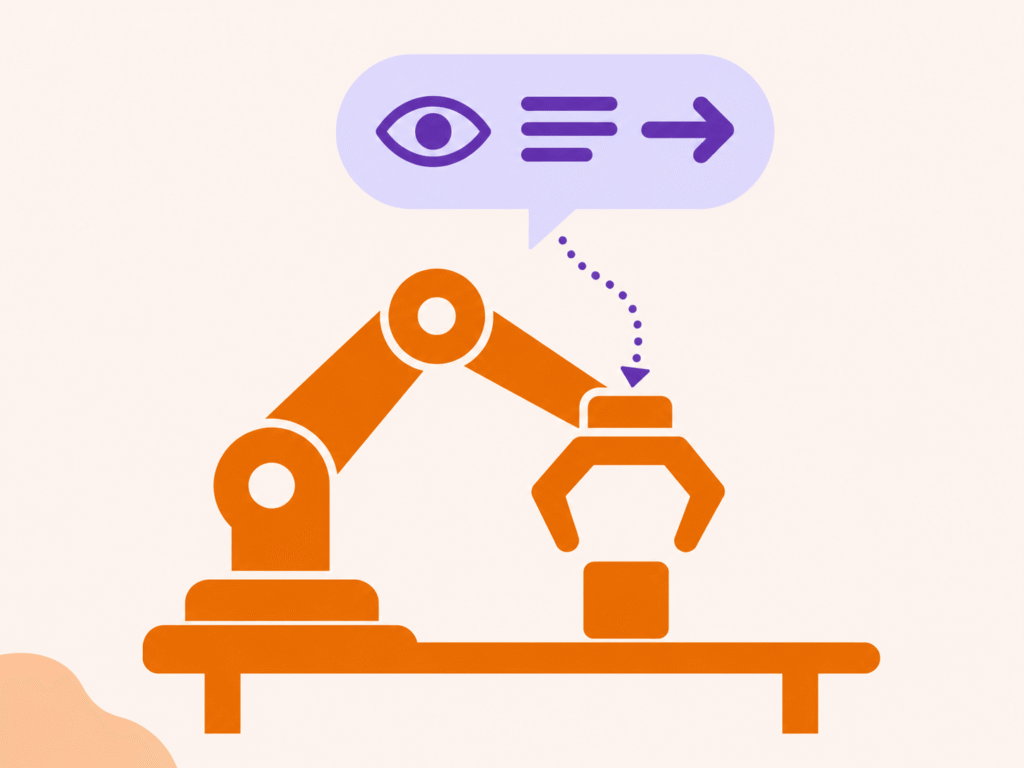
A warehouse robot hears an instruction: pick up the blue tote and set it on the conveyor. Three totes sit on the shelf. Only one is blue. The robot looks, picks the right one, and places it where it was told. That is what a vision-language-action model, or VLA model, is built to do. It […]
Data Annotation for Autonomous Vehicles: What a Buyer Should Actually Be Comparing
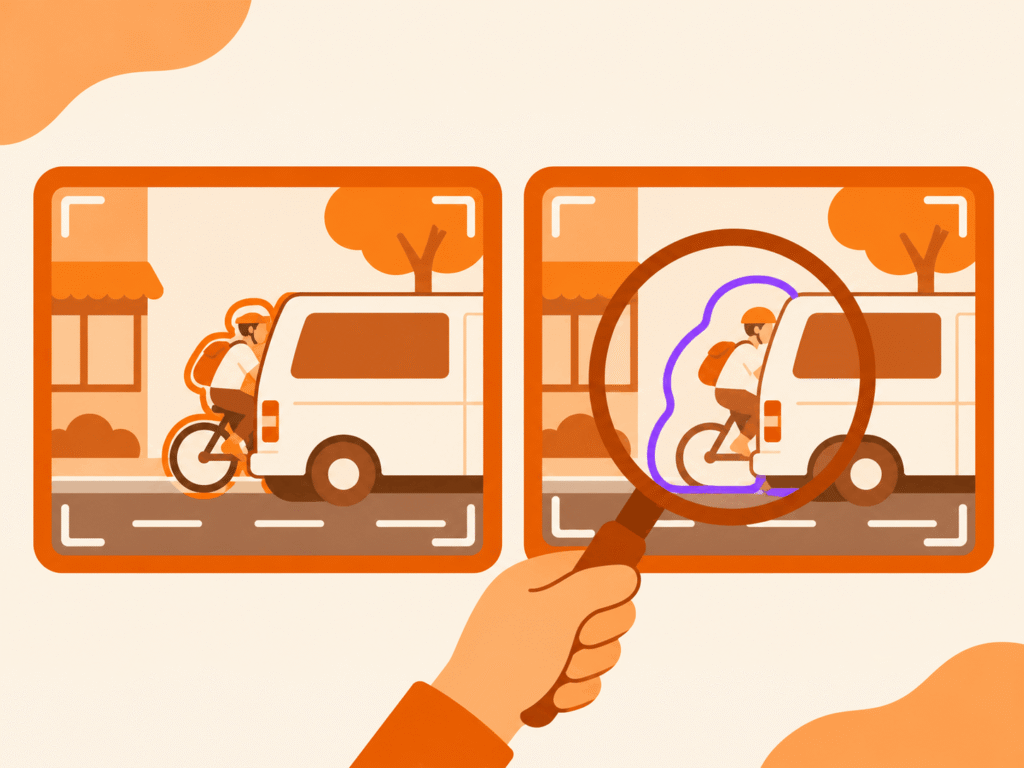
Two data annotation vendors can both report a 98% internal quality score on the same batch of autonomous-vehicle footage. They can still hand you training data that teaches a perception model two different things about the same half-hidden cyclist. The score tells you the vendor checked its own work. It does not tell you what […]
What Is Embodied AI, and What Training Data Does It Actually Need?
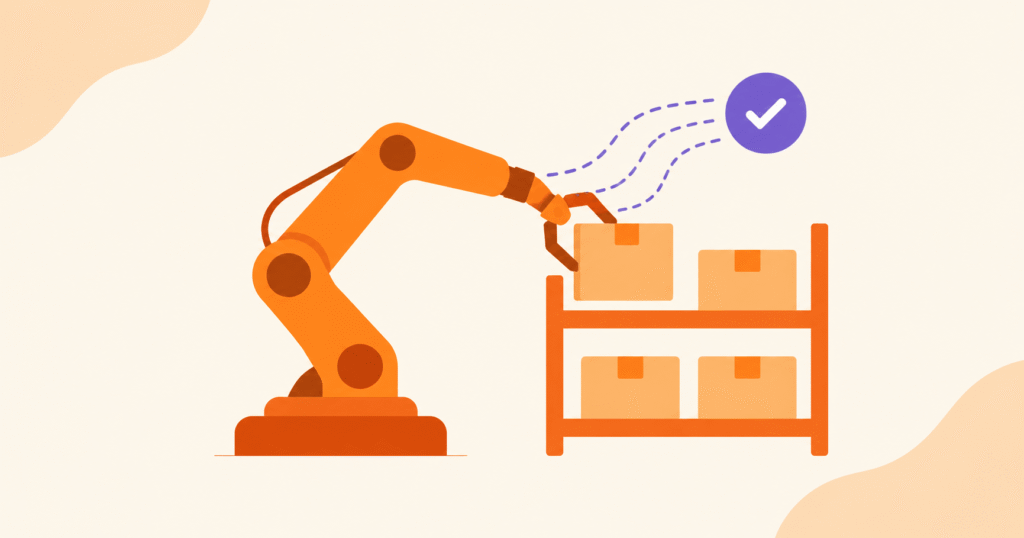
A warehouse robot spots a dropped box and steers around it. That alone doesn’t make it embodied AI, not by most researchers’ definition. The robot also has to learn something from that moment: how its own movement changed what the camera saw a second later. Embodied AI is artificial intelligence built into a physical body, […]
Sensor Fusion, Explained: What a Reviewer Checks When Sensors Disagree
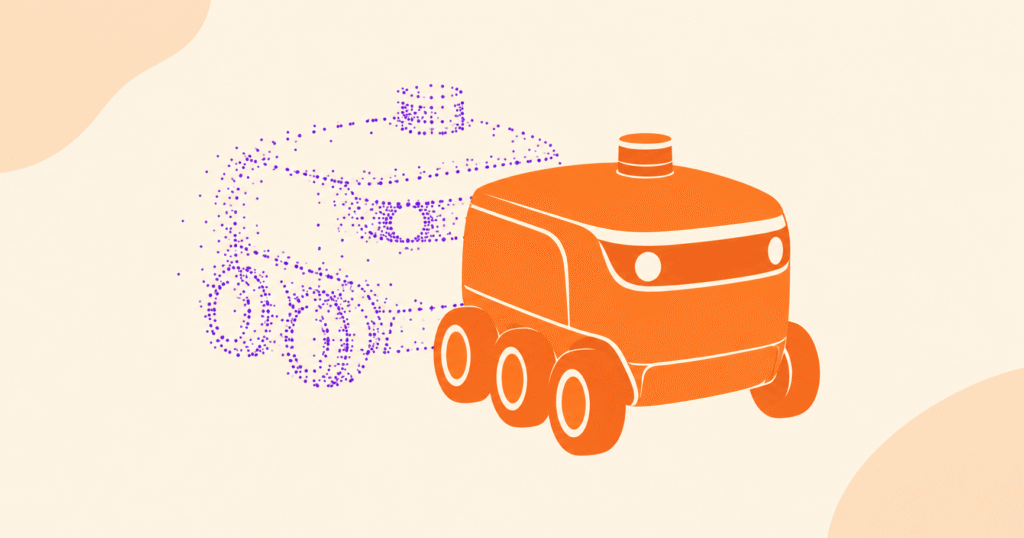
Take a camera and an IMU that are off-sync by forty milliseconds, and the position they report for the same object can be out by ten metres. That’s not a faulty sensor. Both devices can be working exactly as designed and still hand a model two different realities for the same instant, because they were […]
LiDAR and 3D Point Cloud Annotation: What a Human Reviewer Actually Checks
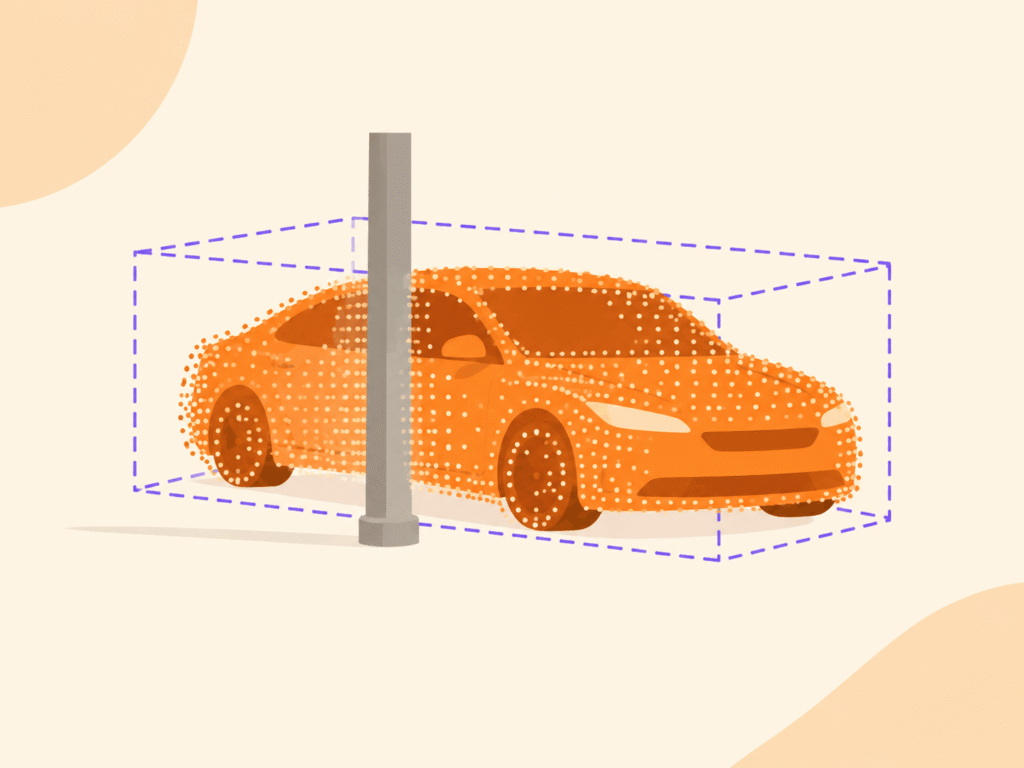
Reviewing LiDAR and 3D point cloud data isn’t mostly about drawing boxes. It’s a series of judgement calls: how much of an object to label when the sensor only captured part of it, where a real boundary sits inside a cluster of points too sparse to show a clean edge, and whether what the point […]
What ‘Robotics Data Collection’ Actually Means: Teleoperation, Egocentric Video, and Sensor Fusion
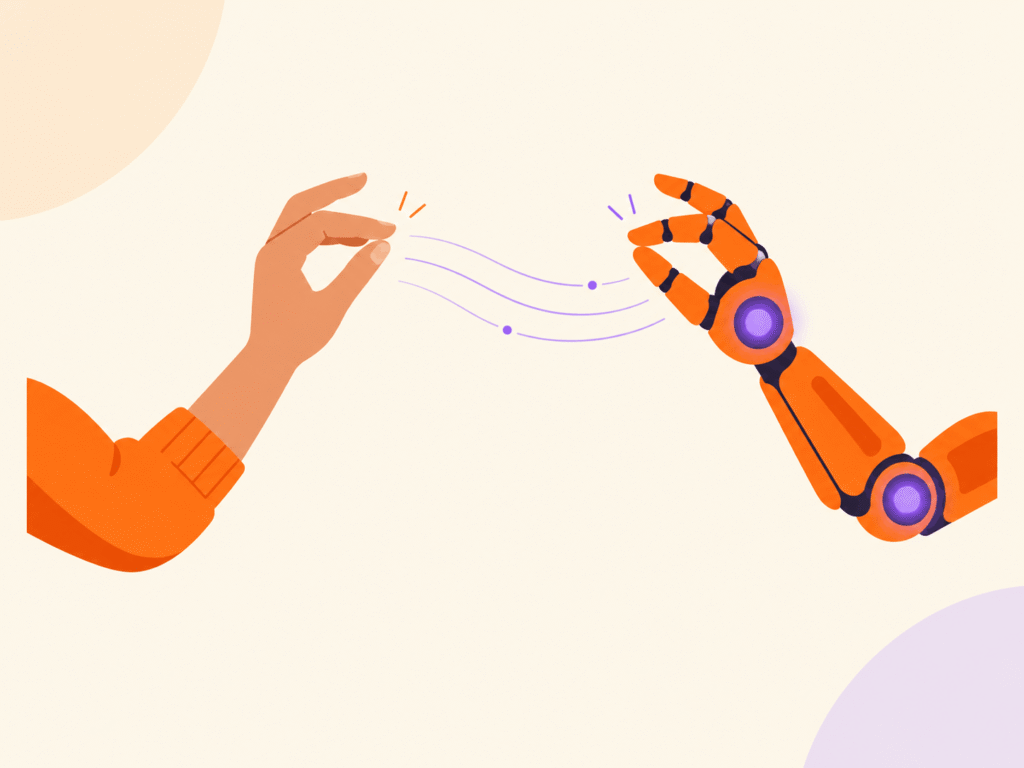
Robotics data collection means physically capturing the sensor data and actions a robot needs to learn how to see, move, and interact with the physical world: a person operating a robot arm, a camera recording a task from a robot’s own viewpoint, a rig recording LiDAR (a sensor that measures distance by bouncing laser pulses […]