- Psychiatrists are medical doctors who prescribe medication. Psychologists focus on therapy and behavioral support.
- Both play essential roles in mental health care in 2025.
- Choose based on your needs, whether medical treatment or talk therapy.

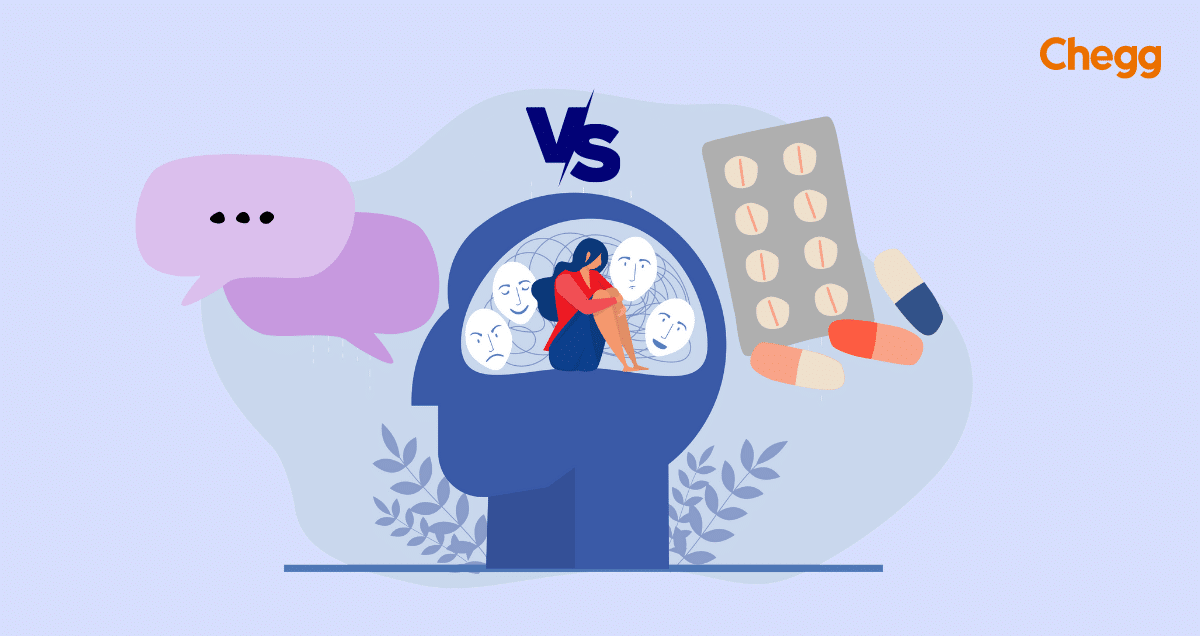

Understanding the difference between a psychiatrist vs psychologist is important for anyone looking for mental health support or considering a career in this area. Both professionals aim to improve mental well-being, but their training, roles, and methods differ a lot. Psychiatrists are medical doctors. They can diagnose mental health conditions, prescribe medication, and provide medical treatments. On the other hand, psychologists usually have advanced degrees in psychology. They focus on therapy, counseling, and behavioral methods.
As mental health awareness increases in 2025, choosing the right professional for your needs is more crucial than ever. Whether you’re interested in medication management or talk therapy, understanding these differences helps you make informed choices about your care and career. Let’s look at the unique strengths and responsibilities of psychiatrists and psychologists.

Psychologists and psychiatrists are both involved in mental health. Let’s examine both of these jobs in great detail.
A psychologist is a professional who studies human behavior and mental processes. They specialize in therapy, psychological assessments, and research but cannot prescribe medication in most regions (except in some U.S. states where they have additional training in psychopharmacology).
A psychiatrist is a medical doctor (M.D. or D.O.) specializing in the diagnosis, treatment, and prevention of mental illnesses. Since they are medical professionals, they can prescribe medication and offer a wide range of treatment options, including psychotherapy, medication management, and medical procedures such as electroconvulsive therapy (ECT).


Psychologists vs. psychiatrists have different educational pathways. Both professions are in the same field of mental health. Here is the clear difference between a Psychologist vs. Psychiatrist:
| Aspect | Psychiatrists | Psychologists |
|---|---|---|
| Training | Medical degree (MD or DO) + residency | Doctoral degree (Ph.D. or Psy.D.) in psychology |
| Focus | Diagnosis, treatment, and management of mental disorders | Behavioral and mental health assessment, therapy |
| Prescription Rights | Can prescribe medications | Cannot prescribe medications |
| Treatment Methods | Medication management, psychotherapy | Psychotherapy (various types), counseling |
| Medical Conditions | Treat mental health issues as well as underlying physical conditions | Focus primarily on mental and emotional issues |
| Settings | Hospitals, clinics, private practice | Private practice, schools, universities |
| Approach | Medical and psychological approach | Psychological and behavioral approach |
| Collaboration | Often collaborate with psychologists and therapists | Collaborate with psychiatrists and other professionals |
| Examples | Dr. Smith, a psychiatrist treating patients with schizophrenia | Dr. Jones, a psychologist specializing in cognitive behavioral therapy |
In India, the average salaries for psychiatrists and psychologists vary based on experience, location, and specialization:
Psychiatrists typically earn more as they are medical doctors who can prescribe medication.
In many cases, psychiatrist and psychologist work together to provide comprehensive mental health care. For example:
Psychologists focus on therapy and behavioral change, while psychiatrists use medications and medical treatments to manage mental health disorders.
Mental health is a very important part of maintaining sound physical health. If you are not aware of when you should see a doctor for mental illness, we’ll help.
This article can help you a lot in understanding what’s the difference between psychology and psychiatry. Most people in our society are not conscious of their mental health.
Mental and physical health are related to each other. Both are equally important to leading a healthy and sound life. Here is a list of mental illnesses for which you should consult a Psychologist:
Psychiatrists work in different ways. They can use a combination of treatments, including psychotherapy, counseling, and medication such as antidepressants. A psychiatrist can usually admit people to the hospital if needed. A psychiatrist can help with many mental health conditions, such as:
Therapists are counselors. They provide talk therapy to help patients deal with their issues. Psychologists are counselors, too. But they also conduct research. They may specialize in areas like child development. They also specialize in counseling people with eating disorders.
Psychiatrists are medical doctors. They can prescribe medication. They also order tests like MRIs or CT scans. Psychiatrists generally work in clinics and hospitals as well as private medical chambers.
Suppose you have been suffering from depression or anxiety. A therapist or psychologist may be a useful alternative in that case.
Let us look at the differences between each of them in greater detail.
Therapists are trained. They provide psychological counseling and support. They can help us explore feelings, set goals, and work through challenges. Generally, therapists have less training than psychologists and psychiatrists. They often work with patients periodically. And they help deal with specific issues. Therapists are considered the “First Line of Defense” in mental health care. They provide people with counseling and therapy services. They help patients deal with a wide variety of issues. It can be mild depression or anxiety to more serious problems.
Psychologists have specialized training for treating mental illness. They may also research and teach at universities. Psychologists have more training than therapists. They often work with patients on a long-term basis. They help them manage chronic mental health conditions.
Psychiatrists are medical doctors. They specialize in mental health. They can prescribe medication and provide therapy. They can order laboratory tests. They also conduct physical examinations.
Both psychiatrists and psychologists play essential roles in supporting mental health, but their skills and approaches differ. Psychiatrists have medical knowledge and prescribe medication, making them suitable for cases that need medication or complex diagnoses. Psychologists focus on therapy, assessments, and helping individuals develop coping strategies. In 2025, the best outcomes often come from teamwork between these professionals, providing comprehensive care tailored to each person’s needs.
If you’re seeking help, consider your symptoms and preferences to find the right expert. For those interested in these careers, knowing these differences will help with your education and career choices. Ultimately, both fields offer fulfilling opportunities to impact people’s lives positively.
Evaluate numerous career choices to choose the right career path for yourself. Dive into our guide on Career Advice.
A psychiatrist is a medical doctor who can prescribe medication. A psychologist, on the other hand, focuses on therapy, counseling, and behavioral treatment.
Example: A psychiatrist might treat depression with medication, while a psychologist uses cognitive behavioral therapy (CBT).
Tip: Decide whether you need medical treatment or talk therapy before making a choice.
If you have serious mental health issues that need medication, visit a psychiatrist. For counseling, therapy, or emotional concerns, see a psychologist.
For example, anxiety with panic attacks may require a psychiatrist, but work stress is usually better handled by a psychologist.
Tip: Begin with a psychologist; they can refer you to a psychiatrist if necessary.
Psychiatrists complete an MBBS and an MD in Psychiatry. Psychologists earn a B.A. or B.Sc. in Psychology, followed by an M.A., M.Sc., or Ph.D. in Psychology.
For example, a psychiatrist is trained as a doctor, while a psychologist is trained as a mental health professional.
Tip: Choose the path that matches your interest: medical or behavioral sciences.
Only psychiatrists can prescribe medication because they are licensed doctors. Psychologists cannot, except in a few countries where they have special training.
For example, a psychiatrist may prescribe antidepressants, while a psychologist offers therapy sessions.
Tip: If advised, combine medication and therapy. This often leads to better results.
Psychiatrists work in hospitals, clinics, or private practice. Psychologists work in schools, companies, therapy centers, and research.
For example, a psychiatrist might join a mental health hospital. In contrast, a psychologist might work as a career counselor.
Tip: Look for internships and clinical practice opportunities early to build your skills.
Generally, psychiatrists earn more because of their medical qualifications and their ability to prescribe medications.
For example, in India, a psychiatrist’s salary ranges from ₹10 to 20 LPA, while a psychologist earns between ₹4 and 10 LPA, depending on their specialization.
Tip: To increase your earnings, specialize in a niche area, like child psychology or neuropsychiatry.