Explore 15+ popular drawing styles including realism, sketching, surrealism, anime, and doodle art, with examples of famous artists and real-world applications.
Learn how to choose the right drawing style based on your interests, professional goals, and creative expression, whether for hobby, career, or portfolio building.
Gain practical tips, expert techniques, and learning resources to master different styles, improve your skills, and develop your own unique artistic identity.
Table of Contents
Are you curious about exploring types of art drawing but not sure where to begin? Whether you’re a beginner picking up a pencil for the first time or an experienced artist refining your craft, understanding the types of drawing styles can transform your creativity and technical skills. From realism drawing and abstract art to manga, doodle art, and digital illustration, each style brings its own challenges, unique techniques, and creative opportunities.
In this guide, you’ll dive into 15+ popular types of drawing styles with real-world use cases, examples of famous artists, and tips on choosing the right style for your goals. You’ll also find practical sketching techniques, actionable advice to improve any drawing style, and insights on blending traditional and digital methods to elevate your artistic journey.
Today’s types of drawing styles go beyond classical sketching, as modern digital tools open new avenues for experimentation and self-expression. Whether you’re inspired by line art, concept art, manga, or scientific illustrations, building your unique style comes down to consistent practice, creative exploration, and learning from expert resources. By the end of this guide, you’ll not only understand the most popular types of drawing styles but also know how to apply them in real-world projects, portfolios, or personal creative growth.orld contexts, find what resonates with your creativity, and build your artistic voice with confidence.
15+ Popular Types of Drawing Styles (2025)
Here’s a comprehensive look at the most popular types of drawing styles you should know, along with the typical audiences, use cases, and artists who use them:
1. Realism Drawing Realism is one of the most admired types of art drawing. It focuses on replicating life as accurately as possible. Artists using this style pay close attention to light, shadow, texture, and proportion. Tools often include graphite pencils, charcoal, or even digital tools. Audience/Use: Fine art collectors, portrait commissions, medical illustration, and academic art institutions often value realism. Use Cases: Fine art exhibitions, commissioned family portraits, educational textbooks, and anatomy studies.
2. Sketching (Rough and Detailed)
Sketching techniques are often used for quick representations or drafts. However, many artists refine sketching into a distinct art form. Whether rough or highly detailed, sketching can be a foundation or a standalone style. Audience/Use: Fashion designers, architects, storyboard artists, and students. Use Cases: Product design drafts, fashion portfolios, character development, and on-location sketching.
3. Cartoon Style
This style is characterized by exaggerated features, simplified shapes, and bold outlines. It is widely used in comics, children’s books, and animation. Cartooning often aims to express humor, satire, or light storytelling. Audience/Use: Animators, comic strip creators, children’s illustrators, and social media content creators. Use Cases: Animated series, comic books, editorial cartoons, YouTube animations.
4. Abstract Drawing Abstract drawing emphasizes shapes, lines, and colors rather than accurate depictions. It offers emotional or conceptual interpretations rather than realistic ones. Audience/Use: Modern art enthusiasts, conceptual artists, and contemporary galleries. Use Cases: Gallery installations, book covers, therapeutic art practices, modern décor.
5. Line Art
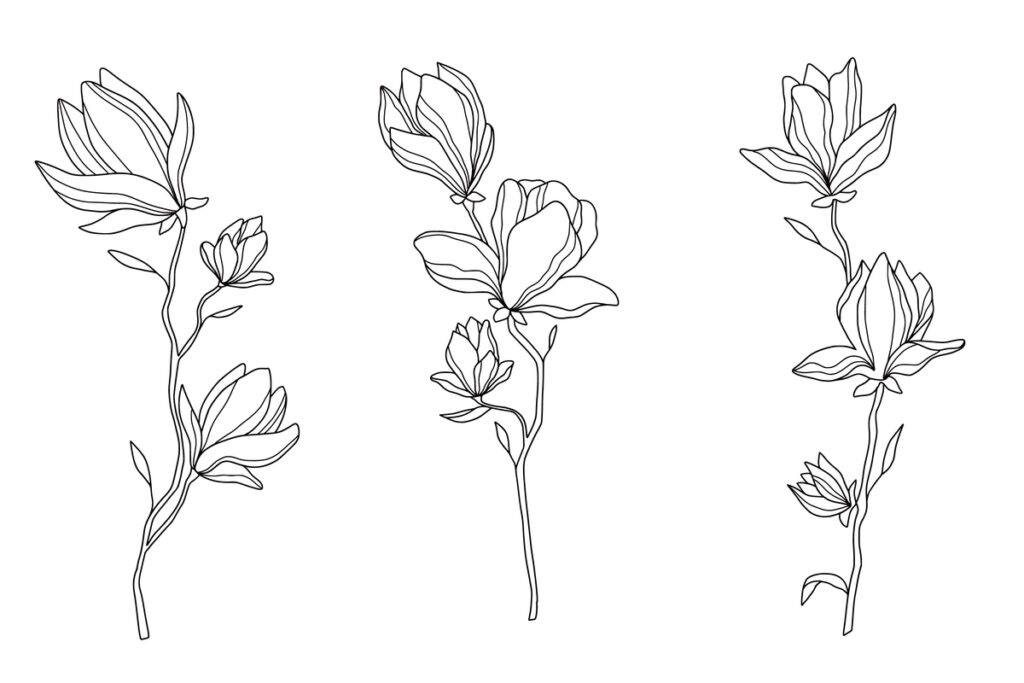
Line art relies solely on lines no shading or color. It’s minimalistic but powerful. Audience/Use: Graphic designers, tattoo artists, illustrators. Use Cases: Branding, tattoos, adult coloring books, logo design, editorial illustrations.
6. Manga and Anime These Japanese-originated styles feature stylized characters, expressive faces, and dramatic scenes. Audience/Use: Comic book artists, animators, fan artists. Use Cases: Graphic novels, animation storyboards, online comics, merchandise designs.
7. Surrealism Inspired by dreams and the subconscious, surrealism combines real elements in fantastical ways. Audience/Use: Conceptual artists, gallery exhibitors. Use Cases: Art exhibitions, album covers, editorial art, book illustrations.
8. Gesture Drawing Gesture drawing captures movement and posture rather than fine detail. Audience/Use: Life drawing students, animators. Use Cases: Animation keyframes, anatomy practice, live model sessions, warm-up sketches.
9. Architectural Drawing Used to design buildings and spaces with precision. Audience/Use: Architects, engineers, interior designers. Use Cases: Construction blueprints, interior layouts, urban planning proposals.
10. Fashion Illustration
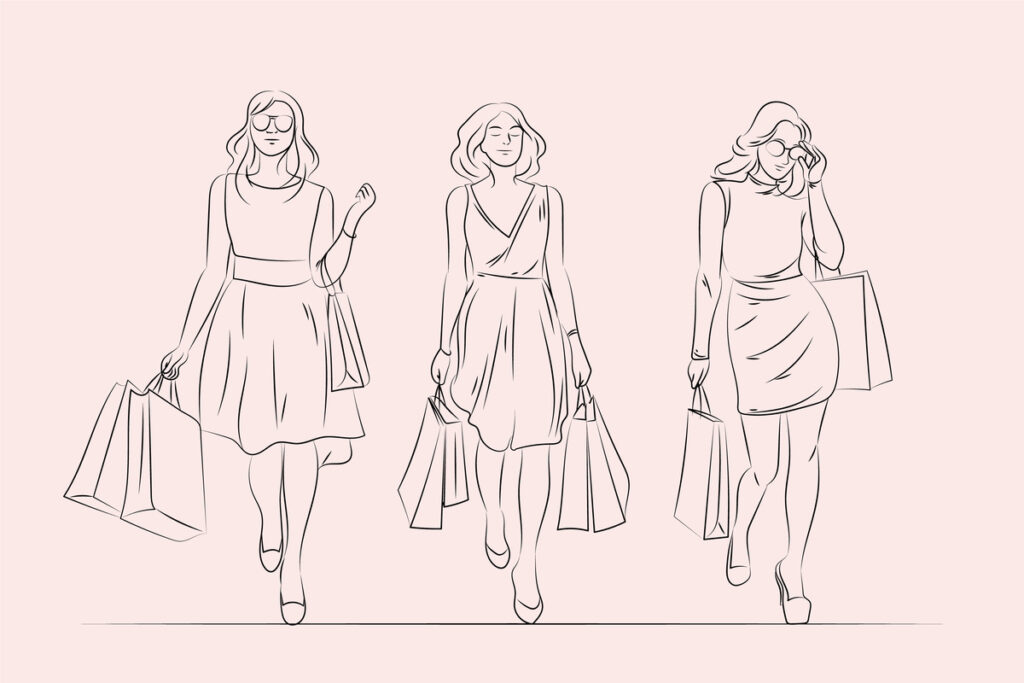
Stylized representations of clothing on models. Audience/Use: Fashion designers, editorial illustrators. Use Cases: Lookbooks, magazine spreads, runway previews, fashion show presentations.
11. Concept Art Used in gaming and film industries to visualize characters and environments. Audience/Use: Game developers, digital storytellers. Use Cases: Video game design, film pre-production, character development boards.
12. Portrait Drawing Focuses on the likeness and expression of a person. Audience/Use: Portrait artists, commission-based illustrators. Use Cases: Personal commissions, historical figures, family portraits, digital avatars.
13. Doodle Art Includes spontaneous patterns, shapes, and designs. Audience/Use: Students, mindfulness practitioners. Use Cases: Stationery, phone cases, posters, notebooks, stress-relief art sessions.
15. Pointillism (Stippling) Creates images using small dots. Audience/Use: Fine artists, illustrators. Use Cases: Fine art prints, technical illustrations, mandalas, meditative art projects.
16. Mixed Media Drawing Combines drawing with collage, paint, or digital enhancements. Audience/Use: Experimental artists, art educators. Use Cases: Art installations, student projects, expressive therapy art, contemporary exhibitions.
Each of these drawing styles reflects a unique perspective and skill set. Understanding them expands your creative vocabulary, enhances your technique, and exposes you to different tools, audiences, and real-world applications.
Famous Artists by Drawing Style
1. Realism Drawing
Leonardo da Vinci – Renaissance master known for anatomical accuracy.
Michelangelo – Known for lifelike sculptures and Sistine Chapel frescoes.
Chuck Close – Modern realist, famous for photorealistic portraits.
2. Sketching (Rough and Detailed)
Vincent van Gogh – Known for expressive and textured sketches.
Rembrandt – Produced countless pen and ink studies.
Albrecht Dürer– Renowned for his detailed line sketches and etchings.
3. Cartoon Style
Walt Disney – Pioneer of character animation and Disney Studios.
Charles Schulz– Creator of the iconic “Peanuts” comic strip.
Matt Groening – Creator of “The Simpsons” and “Futurama.”
4. Abstract Drawing
Wassily Kandinsky – Father of abstract art.
Pablo Picasso – Developed Cubism and abstract figuration.
Jackson Pollock – Known for abstract expressionist drip paintings.
5. Line Art
Keith Haring – Famous for bold line figures and activism.
Egon Schiele – Recognized for his raw line drawings.
Aubrey Beardsley – Known for decorative black-and-white line work.
6. Manga and Anime
Osamu Tezuka – Often called the “Father of Manga.”
Hayao Miyazaki – Co-founder of Studio Ghibli.
Akira Toriyama – Creator of “Dragon Ball.”
7. Surrealism
Salvador Dalí – Famous for dreamlike imagery like melting clocks.
René Magritte – Known for mind-bending visual metaphors.
Max Ernst – Pioneer of surrealist collage and painting.
8. Gesture Drawing
Glen Keane – Disney animator (Ariel, Beast, Tarzan).
Kim Jung Gi – Known for live, large-scale freehand sketches.
George Bridgman – Influential anatomy teacher and gesture artist.
9. Architectural Drawing
Frank Lloyd Wright – Known for organic architecture.
Zaha Hadid – Pioneered futuristic and fluid architectural forms.
Le Corbusier – Major figure in modernist architecture.
10. Fashion Illustration
David Downton – Leading contemporary fashion illustrator.
Megan Hess – Known for luxury fashion branding.
René Gruau – Iconic illustrator for Dior and Vogue.
11. Concept Art
Feng Zhu – Industry leader in environment and prop design.
Ryan Church – Worked on “Star Wars” and “Avatar.”
Craig Mullins – Pioneer in digital concept painting.
12. Portrait Drawing
John Singer Sargent – Known for elegant oil portraits.
Lucian Freud – Famous for raw, psychological portraiture.
Kehinde Wiley – Modern portraits with bold color and cultural themes.
13. Doodle Art
Jon Burgerman – Known for vibrant, quirky doodle characters.
Kerby Rosanes – Mixes doodles with detailed illustrations.
Hattie Stewart – Famous for “doodle-bombing” fashion covers.
14. Botanical Illustration
Maria Sibylla Merian – Early entomologist and botanical illustrator.
Pierre-Joseph Redouté – Court artist for Marie Antoinette.
Margaret Mee – Documented Amazonian plant species.
15. Pointillism (Stippling)
Georges Seurat – Founder of pointillism, “A Sunday on La Grande Jatte.”
Paul Signac – Developed the technique further in marine scenes.
Miguel Endara – Modern master of hyper-detailed stippling.
16. Mixed Media Drawing
Jean-Michel Basquiat – Merged text, drawing, and collage.
Robert Rauschenberg – Mixed photography, painting, and sculpture.
Tracey Emin – Known for personal, text-based mixed media.
How to Choose the Right Drawing Style for You?
With so many types of drawing styles available from realism drawing to abstract and manga it can feel overwhelming to choose just one. Here’s a step-by-step guide to help you discover the style that aligns with your interests, skills, and creative goals:
1. Understand Your Artistic Goals Are you drawing for fun, a professional career, or emotional expression?
If you’re aiming for a career in animation or comics, cartoon or manga styles might suit you.
If you’re interested in fine art or commissions, realism or portrait drawing could be more appropriate.
For personal expression or mindfulness, abstract or doodle art may feel more fulfilling.
2. Identify What Inspires You Pay attention to the kind of art that excites you whether it’s classic paintings, modern illustrations, anime, or detailed botanical sketches. The art you admire often reflects your potential direction.
3. Experiment with Multiple Styles Don’t restrict yourself early on. Try several styles use quick sketching techniques to explore line art, surrealism, or gesture drawing. See which feels most natural and enjoyable.
4. Consider Your Natural Strengths
Are you detail-oriented? You may enjoy stippling, realism, or architectural drawing.
Prefer spontaneous expression? Doodle art or abstract drawing might suit you better.
Enjoy storytelling? Cartoon, anime, or concept art styles can help you build narratives.
5. Factor in Your Preferred Tools Some styles are more suited to specific mediums:
6. Think About Your Audience If you’re creating art for clients or sharing online, think about what resonates with your audience.
Art collectors may prefer realism or pointillism.
Younger audiences might connect with cartoons or anime.
Designers might appreciate line art or mixed media illustrations.
7. Stay Open to Change Your style may evolve as you grow as an artist. What you enjoy today may shift tomorrow and that’s perfectly normal. Flexibility fuels long-term growth and creativity.
When comparing traditional and digital drawing techniques, both approaches offer unique tools and creative possibilities. Traditional mediums provide a hands-on, textured experience that many artists appreciate for landscape drawing, simple art paintings, and abstract artists’ paintings. In contrast, digital tools open doors to animated drawings, 3D drawing effects, and easy editing, making it easier for artists to experiment and innovate. The table below highlights key aspects of each method:
Aspect
Traditional Mediums
Digital Approaches
Common Tools
Pencil, charcoal, ink, watercolor
Procreate, Photoshop, Clip Studio Paint, tablets, styluses
Characteristics
Physical materials providing tactile feedback and texture; direct manual control over line and shading
Software-based, allows layering, undo, and digital brushes; combines drawing with animation and 3D modeling
Applications
Detailed landscape drawings, textured simple art paintings, and expressive artist drawings
Creating animated drawings, 3D illustrations, and complex digital artworks with effects not possible on paper
Advantages
Rich, organic textures; traditional skill development; easy to mix mediums like ink and watercolor
Flexible editing, infinite color palettes, integration with animation, faster experimentation
Challenges
Limited correction options; time-consuming layering and drying; physical storage and material costs
Requires hardware and software; learning curve for digital tools; potential lack of tactile sensation
Tips for Artists Exploring Different Drawing Styles
Whether you’re a beginner or a professional, experimenting with different types of drawing styles can expand your skill set and creative perspective. Here are some actionable tips to guide your journey:
1. Start with What Inspires You Begin by exploring styles that naturally resonate with your interests be it realism drawing, manga, or abstract art. Passion fuels persistence.
2. Master the Basics First Solidify your understanding of sketching techniques, anatomy, perspective, and shading. These fundamentals are transferable across all drawing styles.
3. Don’t Be Afraid to Mix Styles Try blending different techniques like combining line art with surrealism or realism with doodles—to create something uniquely yours.
4. Study the Masters Look at famous artists known for each style (e.g., Leonardo da Vinci for realism, Picasso for abstract, Hayao Miyazaki for anime). Analyze their use of form, composition, and storytelling.
5. Practice Regularly, Even in Small Doses Daily sketching even for 10–15 minutes builds consistency and confidence. Use a sketchbook or a digital app to record your progress.
6. Seek Feedback and Stay Open-Minded Join online art communities or local groups to get constructive criticism. Different perspectives can spark growth and refinement.
7. Use References Wisely Reference photos and real-life observations are crucial, especially in realism and portrait drawing. Just be sure not to copy use them to understand shapes and lighting.
8. Experiment with Tools Try graphite, charcoal, ink, digital tablets, and even mixed media. Every tool interacts differently with your creative process.
9. Build a Portfolio of Style Variations Creating samples in different popular art styles showcases your versatility and can be valuable for freelance work or client commissions.
10. Enjoy the Process, Not Just the Outcome Art is as much about the journey as the result. Explore without pressure and let your personal voice emerge over time.
Tools & Resources
Essential Tools for Traditional and Digital Drawing
Traditional: pencils, charcoal, ink pens, watercolor brushes, paper types
Accessories: erasers, blending tools, color palettes, graphic tablets
Recommended Courses and Tutorials
Digital art platforms offering Procreate tutorials for beginners to advanced users
Courses covering foundational drawing skills and advanced digital techniques
Workshops and online classes on digital marketing to promote artwork
Community forums and video tutorials for continuous learning
Conclusion
Exploring different types of art drawing from realism and abstract art to anime and manga unlocks endless opportunities for creativity and growth. Whether practicing traditional sketching or mastering digital illustration, each types of art drawing sharpens technique while shaping your artistic voice and storytelling. By experimenting, learning from expert resources, and practicing consistently, you’ll not only improve but also uncover the types of art drawing that aligns with your unique vision and goals. Stay inspired, keep sketching, and allow your creativity to evolve into a signature style that truly represents you.
The 7 types of art are: painting, sculpture, literature, architecture, cinema, music, and theater. These forms represent the classical categories of artistic expression and are used to convey human creativity, culture, and emotion across time.
What are the two main types of drawing?
The two main types of drawing are Artistic Drawing, which focuses on creativity, emotion, and aesthetic appeal, and Technical Drawing, which emphasizes precision, accuracy, and the clear communication of technical information.
How many types of art drawing?
In drawing, there are 15+ distinct styles, each with unique tools, techniques, and purposes. Popular styles include Realism, Sketching, Cartoon, Abstract, Line Art, Manga/Anime, Surrealism, Gesture Drawing, Architectural Drawing, Fashion Illustration, Concept Art, Portrait Drawing, Doodle Art, Botanical Illustration, Pointillism, and Mixed Media. These styles serve diverse applications from fine art and animation to branding and scientific documentation appealing to audiences like artists, architects, animators, and illustrators.
What is Madhubani art?
Madhubani art is a traditional Indian folk painting style from Bihar, known for its intricate patterns and vibrant colors. It often features themes of nature, mythology, and rituals, using natural dyes and tools like twigs, fingers, or brushes.
What are the 10 types of visual arts?
The 10 types of visual arts include painting, drawing, sculpture, photography, architecture, ceramics, printmaking, design, crafts, and filmmaking. These forms visually express creativity, culture, and ideas through different materials, techniques, and purposes across history and society.
What common errors should new artists avoid?
New artists often make common mistakes like skipping the basics, avoiding practice, over-relying on references, or fearing failure. They may also neglect proportions, lighting, or anatomy. Focusing on fundamentals and consistent sketching helps avoid these pitfalls and encourages steady growth.
Authored by, Rohan Goswami Digital Content Writer
Rohan is a passionate content creator with a keen interest in the latest trends, geopolitics, and the forces that shape our world. He enjoys researching and writing insightful articles on general knowledge, business, and career topics, with the goal of keeping his readers informed, empowered, and engaged.