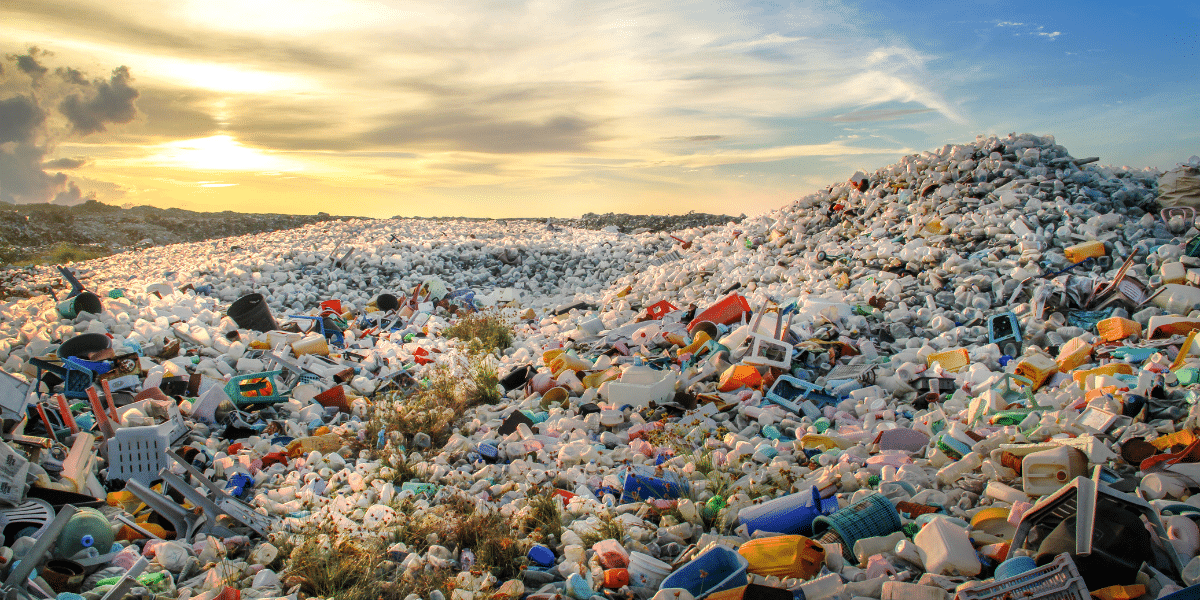
Solid waste management (SWM) is the collection, transportation, processing, recycling, and disposal of solid materials humans discard. It is critical to urban planning, environmental protection, and public health. With rapid urbanization and industrialization, the volume of solid waste generated globally has increased exponentially, making proper waste management more critical than ever.
In India, the challenge is even more pronounced. According to the Central Pollution Control Board (CPCB), over 62 million tonnes of municipal solid waste are generated annually in urban areas alone, and this figure is projected to rise with population growth. Poor waste management can lead to air, water, and soil pollution, contributing to climate change and health hazards such as respiratory diseases, waterborne illnesses, and contamination of food sources.
Understanding solid waste types, sources, and management techniques is essential for students, policymakers, environmental enthusiasts, and everyday citizens. Effective solid waste management safeguards the environment and promotes sustainable development by converting waste into resources through recycling and energy recovery.
By the end of this article, you will have a comprehensive understanding of solid waste management in India, its challenges, and the modern techniques used to handle it efficiently.

Solid waste refers to unwanted or discarded materials from human activities such as households, industries, agriculture, hospitals, and commercial establishments. Unlike liquid or gaseous waste, solid waste includes everyday items like food scraps, plastics, packaging, metals, paper, construction debris, and hazardous chemicals.
The composition of solid waste varies depending on the source. For example, municipal solid waste (MSW) mainly includes household garbage and street sweepings, while industrial waste may consist of toxic chemicals, heavy metals, or factory residues. Similarly, hospitals generate biomedical waste that may be infectious and hazardous, while electronic devices contribute to e-waste containing harmful substances like mercury and lead.
Solid waste can clog drainage systems, contaminate soil and water, and release harmful gases into the atmosphere if not properly managed. On the other hand, effective waste management practices such as recycling, composting, and waste-to-energy conversion can transform waste into a valuable resource.
| Type of Solid Waste | Examples | Key Characteristics |
|---|---|---|
| Municipal Solid Waste | Household garbage, packaging, plastics, paper | Biodegradable and recyclable |
| Industrial Waste | Factory residues, scrap metals, chemical by-products | Often hazardous, non-biodegradable |
| Biomedical Waste | Syringes, gloves, expired medicines | Infectious and hazardous |
| E-Waste | Old computers, batteries, mobile phones | Contains toxic metals |
| Construction & Demolition Waste | Concrete, bricks, rubble, tiles | Large volume, non-biodegradable |
Solid waste originates from various human activities, each contributing differently to overall waste generation. Understanding these sources is crucial for planning effective waste management strategies.
Generated from daily activities in homes, this includes food scraps, packaging materials, paper, plastics, and garden waste. Improper disposal can lead to clogged drains, unpleasant odors, and pest infestations.
Factories, manufacturing units, and commercial establishments produce solid waste such as chemical by-products, scrap metals, packaging materials, and hazardous residues. Industrial waste often requires specialized treatment due to its toxic nature.
Hospitals, clinics, and laboratories generate biomedical waste, including sharps, expired medicines, gloves, and infectious materials. This type of waste is highly hazardous if not handled and disposed of properly.
Agricultural activities generate crop residues, husks, manure, and fertilizers. While biodegradable, improper burning or dumping can cause air and soil pollution.
Construction sites, demolition projects, and renovation activities produce concrete, bricks, tiles, and metal scraps. These wastes are bulky, non-biodegradable, and require organized disposal methods.

Solid waste can be classified into several categories based on its source, composition, and characteristics. Understanding these types is crucial for effective management, recycling, and disposal.
| Type of Waste | Source | Examples | Key Characteristics |
|---|---|---|---|
| Municipal Solid Waste (MSW) | Households, offices, markets | Kitchen waste, plastics, paper | Mostly biodegradable, includes recyclables |
| Industrial Waste | Factories, industries | Metal scraps, chemical sludge, ash | Can be hazardous or non-hazardous |
| Biomedical Waste | Hospitals, clinics, labs | Syringes, bandages, medicines | Infectious, requires special disposal |
| Agricultural Waste | Farms, horticulture | Crop residues, manure, husks | Mostly biodegradable, used for compost |
| E-Waste | Electronic devices | Mobile phones, batteries, computers | Contains toxic metals, needs safe disposal |
| Construction & Demolition Waste | Construction sites | Bricks, concrete rubble, steel | Mostly inert, bulky |
Effective solid waste management (SWM) requires a systematic approach that includes segregation, collection, processing, and final disposal. Proper management reduces environmental pollution, conserves resources, and promotes public health.
Waste segregation separates waste into distinct categories, such as biodegradable, recyclable, and hazardous. Segregation at the source ensures efficient recycling, reduces landfill load, and minimizes health risks. Biodegradable waste like food scraps and garden waste can be composted, while recyclable items such as plastics, paper, and metals can be reused. Hazardous and biomedical waste must be treated separately to prevent contamination. In India, the Solid Waste Management (SWM) Rules, 2016 make segregation at the household and institutional level mandatory, emphasizing color-coded bins and strict adherence to disposal protocols.
Waste collection and transportation are critical steps in the SWM process. In urban areas, door-to-door collection is common, supplemented by transfer stations where waste is temporarily stored before transportation to processing facilities or landfills. In rural areas, waste is often collected through community-managed systems or local municipality vehicles. Efficient transportation systems prevent littering, reduce environmental hazards, and improve overall cleanliness. Mechanized collection vehicles, compactors, and optimized routes enhance efficiency.
Once collected, waste undergoes processing to reduce its volume, recover resources, and convert it into energy. Composting transforms organic waste into nutrient-rich manure, supporting sustainable agriculture. Recycling involves converting plastics, paper, metals, and glass into reusable materials, conserving raw resources. Waste-to-energy plants generate electricity from combustible waste through incineration or other thermal processes. Advanced technologies like pyrolysis and gasification thermally decompose non-recyclable waste into fuels, offering sustainable alternatives to traditional disposal. These methods not only reduce landfill dependency but also help in resource recovery.
Landfills are the final step for waste that cannot be processed. Sanitary landfills are engineered to minimize environmental impact, with protective liners, leachate treatment systems, and proper covering to prevent soil and water contamination. However, poorly managed landfills can lead to air pollution, groundwater contamination, and greenhouse gas emissions. Regulations and monitoring are essential to ensure landfills operate safely, protecting the environment and public health.
India generates an enormous quantity of solid waste daily, driven by its growing population, urbanization, and industrial activity. According to recent estimates, major cities like Delhi, Mumbai, and Bangalore produce between 4,000 and 12,000 tons of waste daily, with a significant portion remaining unsegregated. Municipal Solid Waste (MSW) rules and proper management strategies are critical to address this growing challenge.
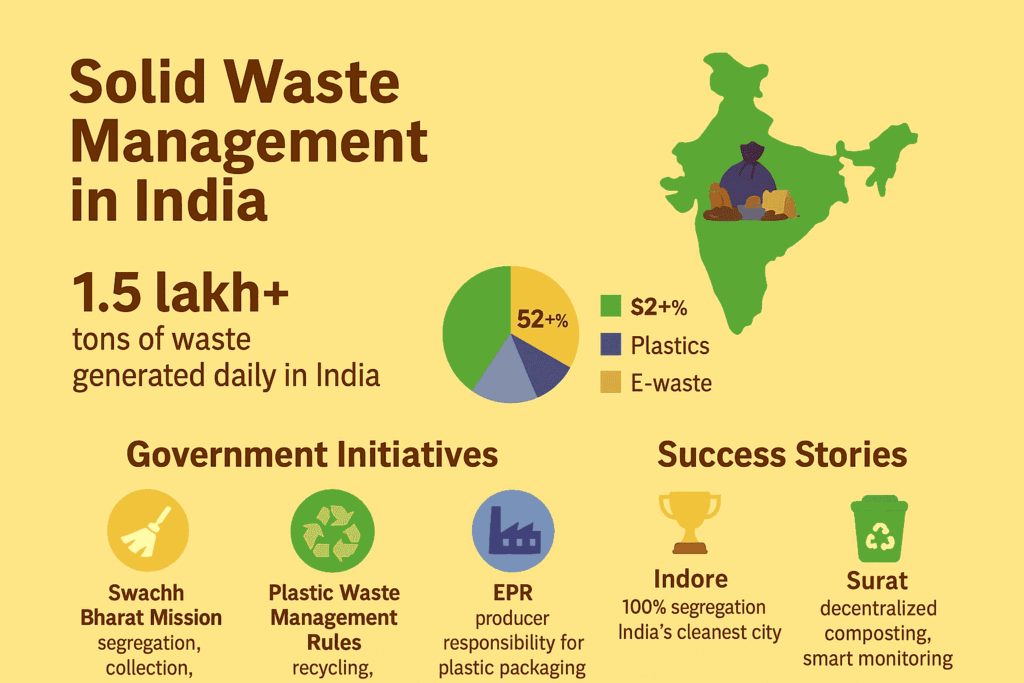
The Swachh Bharat Mission (SBM), launched in 2014, is one of India’s largest cleanliness drives. It emphasizes solid waste segregation at source, door-to-door collection, proper disposal, and community awareness. Cities achieving high cleanliness levels have implemented decentralized composting units and efficient waste collection systems under SBM guidelines.
The Plastic Waste Management Rules, 2016, aim to reduce plastic pollution through waste reduction, recycling, and reuse. These rules mandate segregation of plastic waste, promote awareness campaigns, and encourage industries to adopt eco-friendly alternatives.
Extended Producer Responsibility (EPR) is another key framework. Under EPR, manufacturers, importers, and brand owners are responsible for managing post-consumer waste of their products, particularly plastic packaging. This policy has incentivized recycling and reduced the burden on municipal systems.
Non-governmental organizations (NGOs) and private companies play a significant role in supplementing government efforts. Initiatives include door-to-door waste collection, community composting, e-waste recycling, and awareness programs in urban and rural areas. Public-private partnerships (PPPs) have improved efficiency in cities like Pune, Indore, and Surat, where integrated waste management systems have been successfully implemented.
Several Indian cities are emerging as models of effective waste management. Indore, ranked India’s cleanest city for multiple years, employs strict segregation, robust collection, and recycling mechanisms. Surat and Pune have set up waste-to-energy plants and decentralized composting systems, significantly reducing landfill dependence. These examples demonstrate that cities can manage waste sustainably with proper planning, technology, and community participation.
India’s ongoing efforts in waste management, guided by MSW rules, government policies, and active citizen participation, highlight the potential for sustainable urban development. Strengthening these measures will be critical to achieving long-term environmental and public health benefits.
| City | Approx. Waste Generated (Tons/Day) | Key Initiatives |
|---|---|---|
| Delhi | 11,000–12,000 | Waste-to-energy plants, segregation drives |
| Mumbai | 9,000–10,000 | Door-to-door collection, composting units |
| Bangalore | 6,000–7,000 | Decentralized composting, recycling hubs |
| Chennai | 5,000–5,500 | Segregation campaigns, landfill management |
| Kolkata | 4,500–5,000 | Community awareness, PPP-based collection |
| Indore | 1,100–1,200 | 100% segregation, decentralized processing |
Waste management has seen remarkable technological advancements for sustainability, efficiency, and environmental protection. One of the leading innovations in solid waste treatment is waste-to-energy (WTE) technology, which converts municipal solid waste into usable energy. Methods such as biogas production through anaerobic digestion and incineration for electricity generation reduce landfill burden and provide renewable energy sources for communities.
Composting and vermiculture are eco-friendly approaches for organic waste management. Composting decomposes biodegradable waste into nutrient-rich compost, improving soil health. Vermiculture uses earthworms to accelerate decomposition, producing high-quality organic fertilizer for agriculture and landscaping.
Recycling innovations are transforming traditional material recovery processes. Advanced sorting technologies, including optical and AI-driven systems, more efficiently separate plastics, metals, and paper, reducing contamination and improving recycling quality. Moreover, upcycling initiatives are converting waste into new products, such as building materials, textiles, and eco-friendly packaging, promoting a circular economy.
The rise of smart waste management integrates IoT (Internet of Things) sensors and AI analytics into collection and monitoring systems. Smart bins detect fill levels, enabling optimized waste collection routes, reducing fuel consumption and operational costs. AI algorithms predict waste generation patterns, aiding in proactive planning and resource allocation.
These modern technologies collectively pave the way for sustainable urban management, transforming waste from an environmental challenge into a valuable resource. Their integration ensures efficiency, reduces carbon footprints, and supports the global push toward a circular economy.
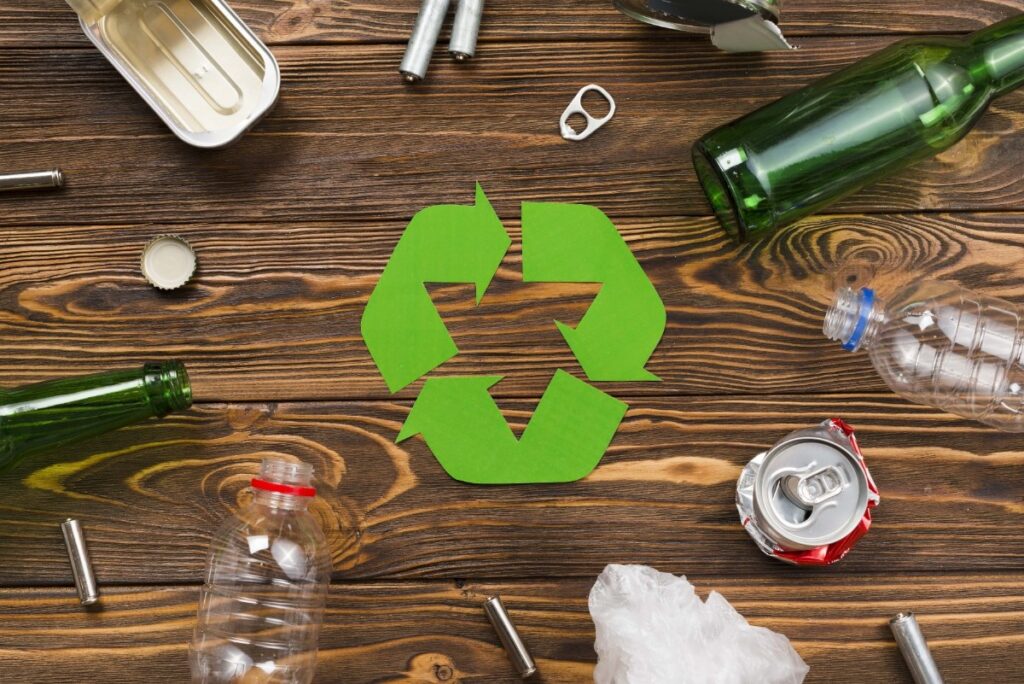

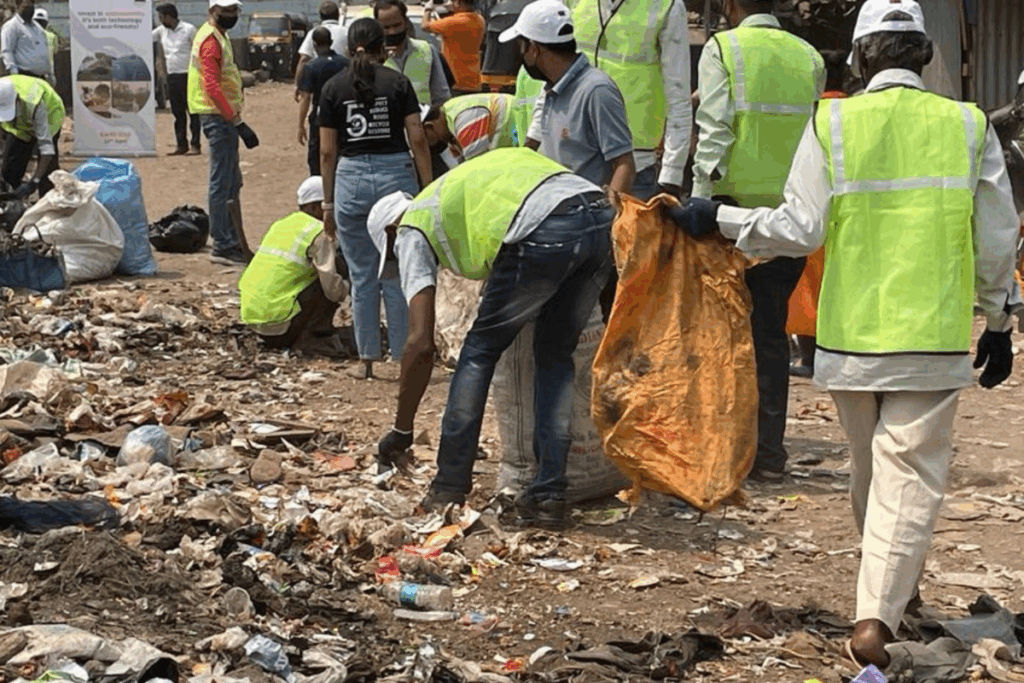

The necessity of solid waste management lies in protecting public health, conserving the environment, and reducing pollution. Effective management prevents disease, minimizes landfill impact, and promotes resource recovery. Adopting sustainable practices ensures cleaner communities and a healthier planet for future generations.

Solid waste management is not just the responsibility of governments or institutions; it is a collective duty that requires active participation from individuals, communities, and industries. With rising urbanization and consumption, the volume of waste generated is increasing alarmingly. Effective management through waste-to-energy, composting, recycling, and smart waste technologies can transform waste into valuable resources while reducing the burden on landfills.
Proper waste management safeguards both environmental and human health. Minimizing pollution, controlling greenhouse gas emissions, and preventing the spread of diseases, it ensures a cleaner and healthier living environment. Sustainable practices such as segregation at source, reducing single-use plastics, and embracing the principles of Reduce, Reuse, and Recycle play a vital role in achieving long-term ecological balance.
Ultimately, every individual has the power to make a difference. Society can collectively move toward a zero-waste and sustainable future by adhering to municipal waste rules, supporting local initiatives, and making conscious lifestyle choices. Proactive participation today will improve current living conditions and secure a healthier planet for future generations.
Read More: Environment Protection Act 1986
Solid waste management is the safe and sustainable collection, segregation, treatment, and disposal of solid waste. It promotes recycling, composting, and scientific disposal of various types of waste, helping prevent pollution, protect public health, and conserve natural resources.
The four main types are sanitary landfill (scientific disposal of waste), incineration (burning waste at high temperatures), composting (biological decomposition of organic waste), and recycling (reprocessing materials into new products). Each method is selected based on the waste’s type, volume, and nature.
Standard methods include segregation at source, composting, recycling, biomethanation, incineration, landfilling, and waste-to-energy conversion. These methods aim to reduce waste volume, recover resources, and minimize environmental impact while ensuring the safe treatment and disposal of biodegradable and non-biodegradable waste.
Types of waste include municipal solid waste (household waste), industrial waste, biomedical waste, e-waste (electronic waste), agricultural waste, and construction & demolition waste. Each has distinct characteristics and requires specific handling and treatment methods to ensure safe and effective disposal.
Waste can be reduced by practicing the 3Rs—Reduce, Reuse, and Recycle. Use reusable products, avoid single-use plastics, compost organic waste, and support minimal packaging. Conscious consumer behavior and sustainable lifestyle choices are key to minimizing waste generation at the individual and community levels.
Non-biodegradable waste refers to materials that do not decompose naturally over time, such as plastics, metals, and glass. These materials persist in the environment and cause long-term pollution.