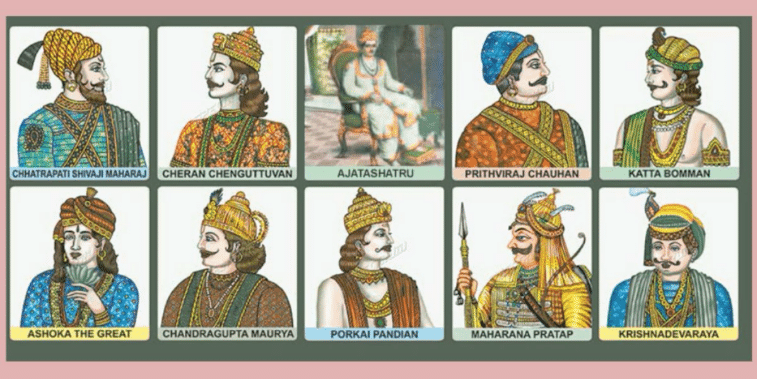
India has a rich history filled with powerful rulers who shaped the nation. The top 10 powerful kings in India are prime examples of leadership, vision, and strength. Over the centuries, the most fabulous kings of India united lands, built civilizations, and defended their kingdoms with great courage.
India’s history has seen legendary rulers from every corner of the subcontinent, from Ashoka’s vast empire to Shivaji’s spirited resistance. This list highlights the most powerful kings across different eras and regions.
These top 10 powerful kings in India, from ancient, medieval, and early modern times, were pioneers in governance, culture, and innovation. The monuments they built, the established trade routes they supported, and the arts they supported still stand today. Their contributions were key in shaping India’s heritage and remain symbols of power and wisdom.

In this blog, you’ll explore the stories of the top 10 powerful kings in India. Their military skill, leadership, and cultural achievements left a lasting impact on the country, and the rulers of Indian history continue to influence the country today.
The Top 10 Powerful Kings in India were known for their military strategies, governance, cultural influence, and ability to expand their empires. Here’s a list of some of the most influential rulers in Indian history:
India has a long history of powerful rulers who shaped its politics, culture, and society. These kings left a legacy that still inspires people today. The table below shows the top 10 powerful kings in India from different times and regions. They were known for their strong leadership, military strength, and dedication to their people.
| Name | Founder | Ruler | Achievements |
| Chandragupta Maurya | Founder of the Mauryan Empire | Mauryan Empire | Krishnadevaraya’s reign was a golden age for the Vijayanagara Empire. It promoted art and literature, expanded borders through military success, and ensured economic prosperity. |
| Ashoka the Great | Mauryan Emperor | Mauryan Empire | Ashoka’s transformation post-Kalinga War marked a pivotal moment in Indian history. He embraced Buddhism and promoted non-violence, compassion, and ethical governance across Asia through missionaries and edicts. |
| Samudragupta | The Gupta Empire’s greatest ruler | Gupta Empire | Krishnadevaraya’s reign was a golden age for the Vijayanagara Empire. It promoted art and literature, expanded borders through military success, and ensured economic prosperity. |
| Harsha Vardhana | Ruler of North India in the 7th century | Northern India | Maharana Pratap is celebrated for resisting Mughal rule, especially at the Battle of Haldighati. He symbolizes Rajput courage and inspired his people in their fight for Mewar’s independence. |
| Maharana Pratap | Rajput ruler of Mewar | Kingdom of Mewar | Shivaji Maharaj was an influential Indian emperor known for innovative guerrilla tactics and a strong navy. His reforms emphasized justice and welfare, empowering his people and solidifying Maratha sovereignty, making him a revered ruler in India. |
| Chhatrapati Shivaji Maharaj | Founder of the Maratha Empire | Maratha Empire | Shivaji Maharaj was a powerful Indian emperor known for innovative guerrilla tactics and a strong navy. His reforms emphasized justice and welfare, empowering his people and solidifying Maratha sovereignty, making him a revered ruler in India. |
| Tipu Sultan | Ruler of Mysore | Kingdom of Mysore | Krishnadevaraya’s reign was a golden age for the Vijayanagara Empire, promoting art and literature, expanding borders through military success, and fostering economic prosperity for a thriving society. |
| Rani Lakshmibai | Queen of Jhansi | Kingdom of Jhansi | Rani Lakshmibai played a crucial role in India’s First War of Independence in 1857, symbolizing patriotism and inspiring future generations with her bravery. |
| Krishnadevaraya | Vijayanagara Empire’s greatest ruler | Vijayanagara Empire | Krishnadevaraya’s reign was a golden age for the Vijayanagara Empire, promoting art and literature, expanding borders through military success, and ensuring economic prosperity. |
| Akbar the Great | Mughal Emperor | Mughal Empire | Akbar’s reign is noted for inclusive policies and centralized administration that unified diverse regions. His cultural synthesis, architectural achievements, and governance fostered prosperity and innovation in the Mughal Empire. |
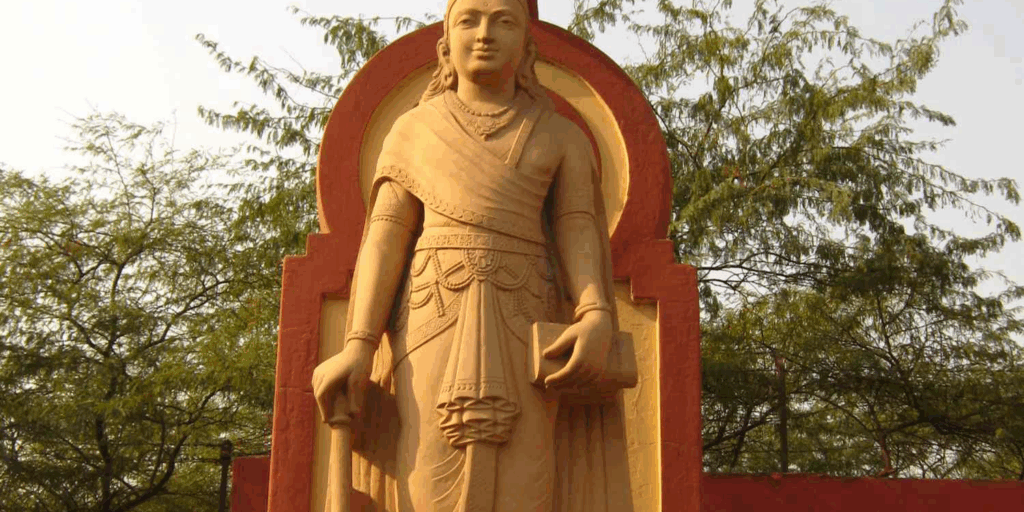
Chandragupta Maurya founded the expansive Mauryan Empire after overthrowing the Nanda Dynasty. His reign featured a robust administrative framework, successful military campaigns, and significant economic growth. By uniting large parts of the Indian subcontinent, he established the groundwork for one of India’s most powerful and enduring empires.
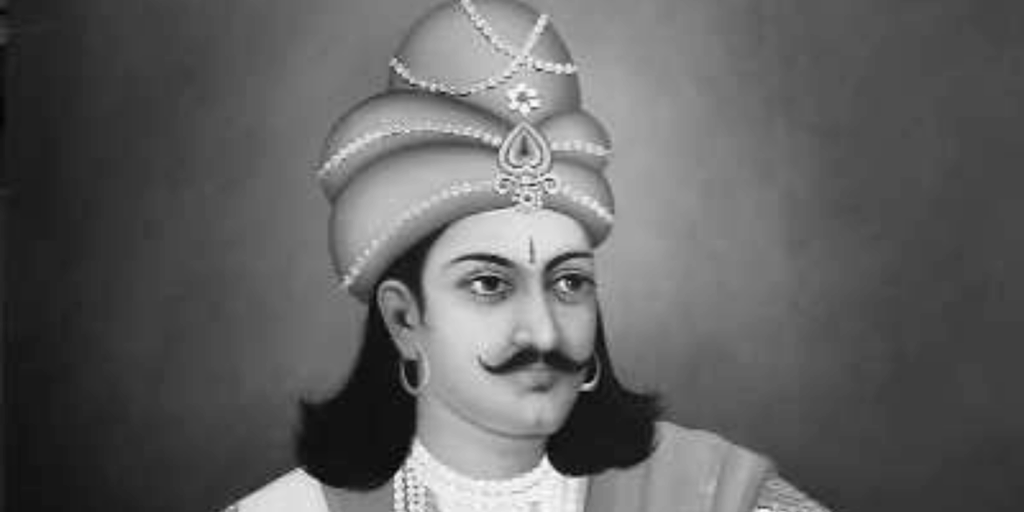
After the Kalinga War, Ashoka transformed from a fierce conqueror to a compassionate ruler. Deeply moved by the war’s devastation, he embraced Buddhism and non-violence, dedicating his reign to moral governance and peace. Ashoka actively promoted Buddhist teachings across Asia, constructed stupas and pillars inscribed with ethical edicts, and fostered religious tolerance. His legacy of humane rule and spiritual leadership made his reign one of the most influential and celebrated in Indian and world history.
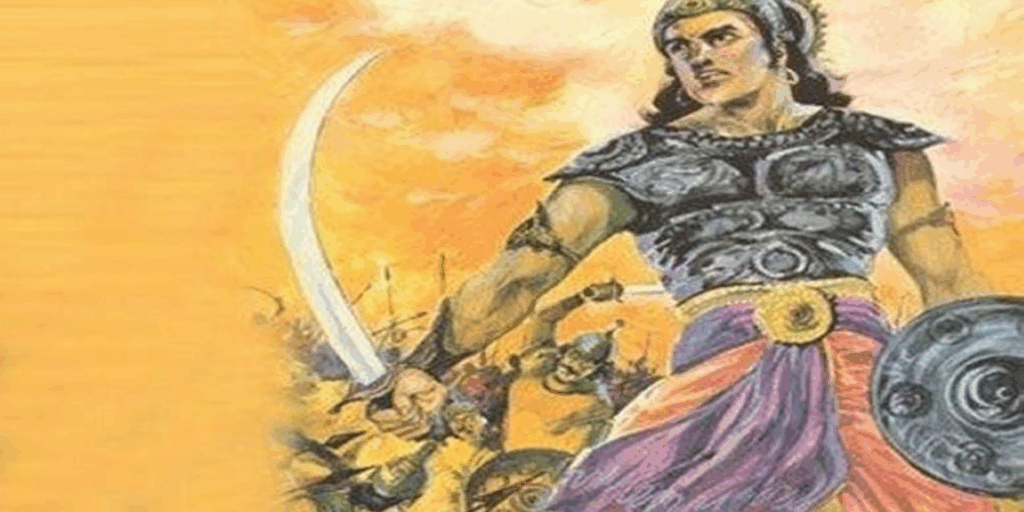
Samudragupta, one of the greatest rulers of the Gupta Empire, significantly expanded his kingdom through successful military campaigns. Known as the “Napoleon of India,” he combined military prowess with statesmanship. Beyond warfare, he patronized art, music, and literature, contributing to a cultural renaissance. His court attracted scholars and poets, and his administration laid the foundation for efficient governance. Under his rule, ancient India witnessed a golden age of political stability and cultural flourishing.
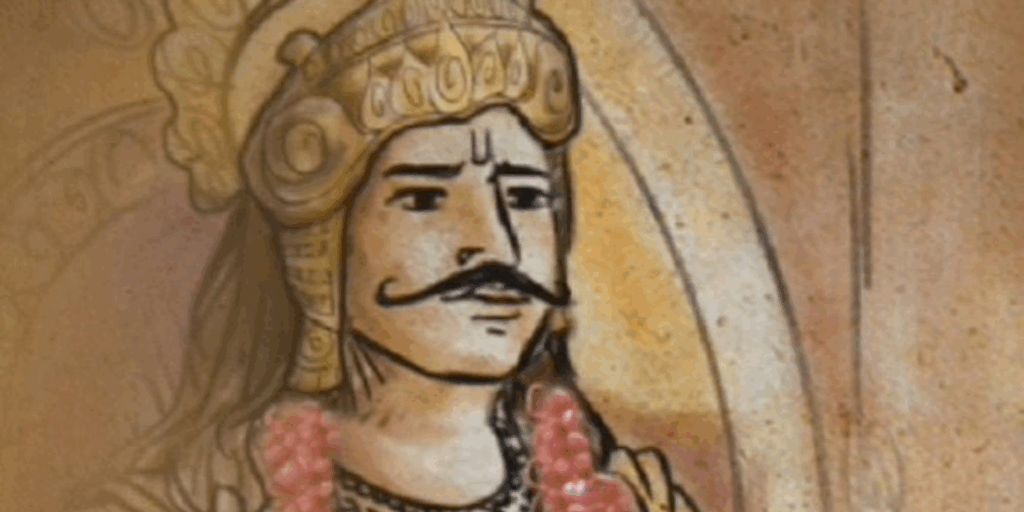
Harsha united much of North India through his strong leadership and diplomatic skills. Renowned for his generosity and patronage of the arts, he fostered a vibrant cultural environment that attracted scholars, poets, and artists to his court. His reign brought the region political stability and economic prosperity, encouraging trade and learning. Harsha’s diplomatic efforts maintained peace with neighboring kingdoms, strengthening alliances. His rule is remembered as a period of cultural growth and regional consolidation in early medieval India.
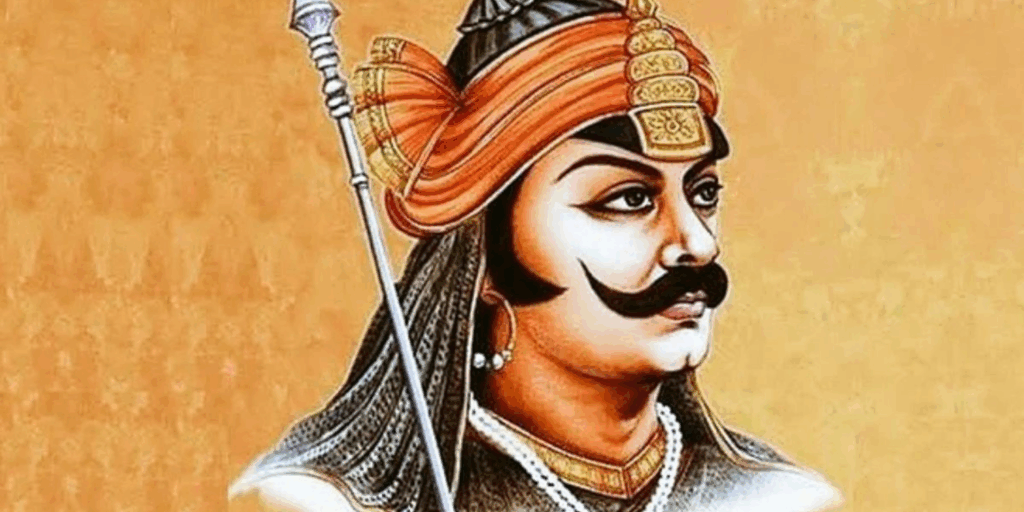
Maharana Pratap is celebrated for his fierce resistance against Mughal expansion under Akbar. Known for his unwavering courage, he led the Rajput forces in the Battle of Haldighati, demonstrating remarkable resilience despite facing a much larger army. Though the battle was inconclusive, Maharana Pratap continued to fight tirelessly to reclaim and defend the kingdom of Mewar. His dedication to sovereignty and valor made him an enduring symbol of Rajput pride and Indian resistance against imperial domination.
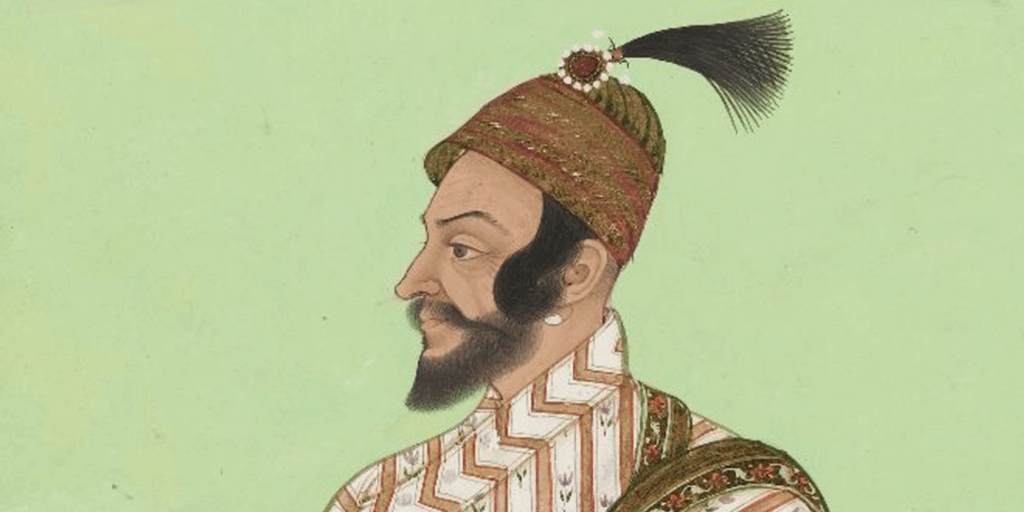
Shivaji founded the Maratha Empire through brilliant military strategies and effective governance reforms. He pioneered guerrilla warfare tactics, allowing his smaller forces to outmaneuver larger armies. Shivaji also built a strong navy to protect the western coastline, enhancing maritime security and trade. Beyond warfare, he emphasized the welfare of his subjects, promoting justice and administration that earned widespread loyalty. His visionary leadership and dedication to self-rule made Shivaji one of the most respected and influential figures in Indian history.
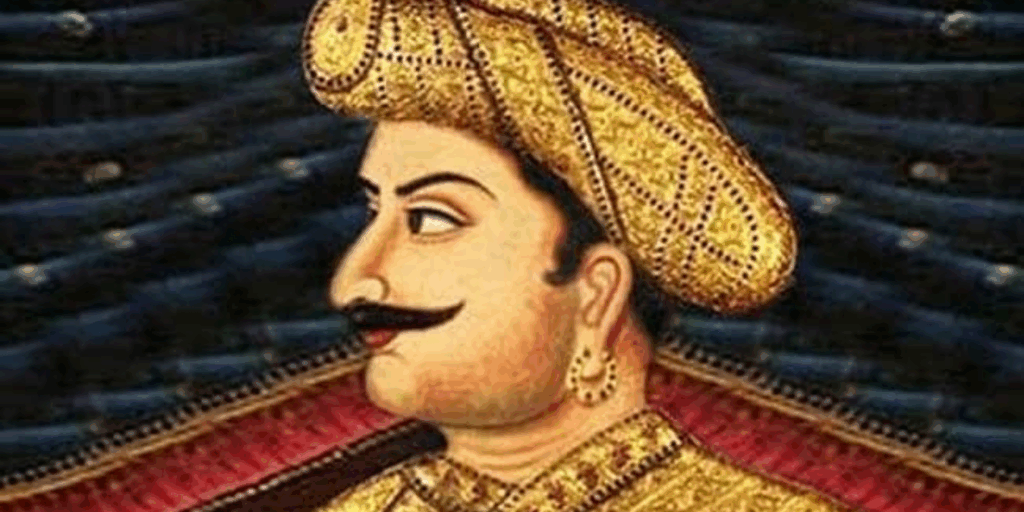
Tipu Sultan is renowned for modernizing his army with advanced weaponry and innovative tactics, strengthening Mysore’s military power. He implemented significant economic reforms to boost trade and agriculture, aiming to create a self-sufficient state. Fiercely opposed to British colonial expansion, Tipu led several valiant campaigns against the British East India Company. His unwavering resistance and military innovations have cemented his status as a legendary figure in India’s fight against colonial domination, inspiring generations with his courage and vision.
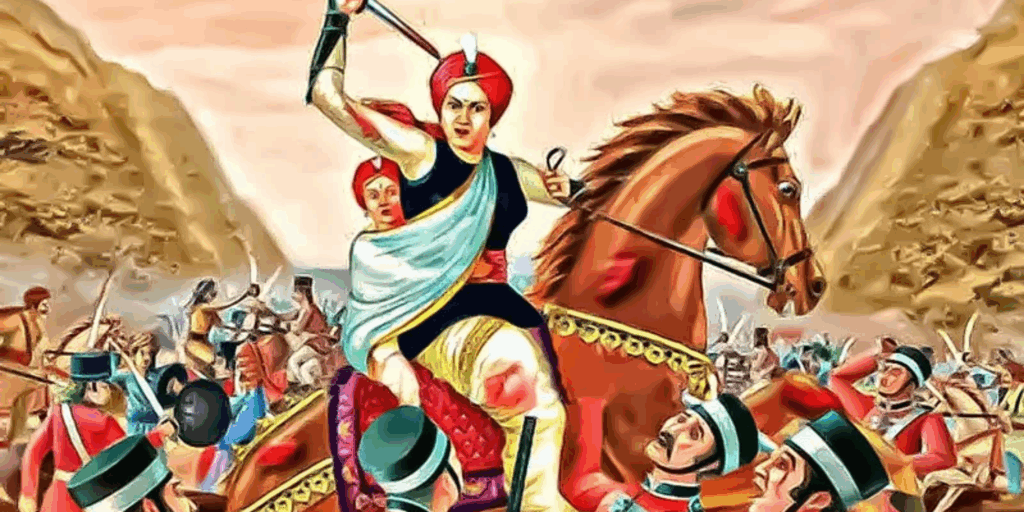
Rani Lakshmibai, a prominent leader of the 1857 Revolt, fiercely fought against British colonial forces to defend her kingdom of Jhansi. Known for her bravery, strategic skills, and unwavering determination, she became a symbol of resistance and sacrifice. Despite overwhelming odds, she led her troops with remarkable courage, inspiring her contemporaries and countless generations afterward. Her legacy remains a powerful testament to the spirit of India’s struggle for freedom and the fight against oppression.
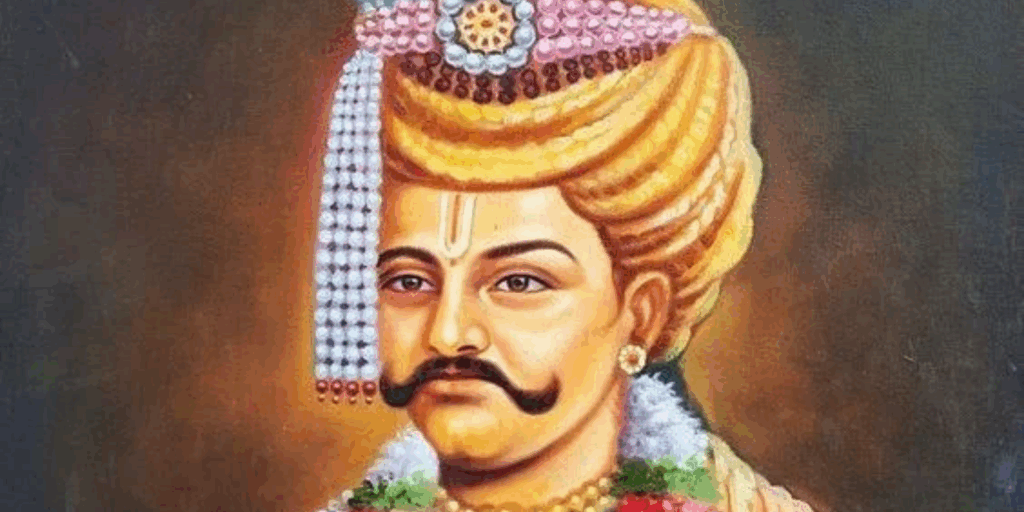
Krishnadevaraya’s reign marked a golden age for the Vijayanagara Empire, characterized by military success, cultural flourishing, and economic prosperity. He expanded the empire through decisive military campaigns, strengthening its dominance in South India. A great patron of literature and the arts, Krishnadevaraya encouraged scholars and poets, fostering a vibrant cultural environment. His effective administration promoted trade and agriculture, ensuring economic stability and growth. Under his leadership, the Vijayanagara Empire peaked, leaving a lasting legacy in Indian history.
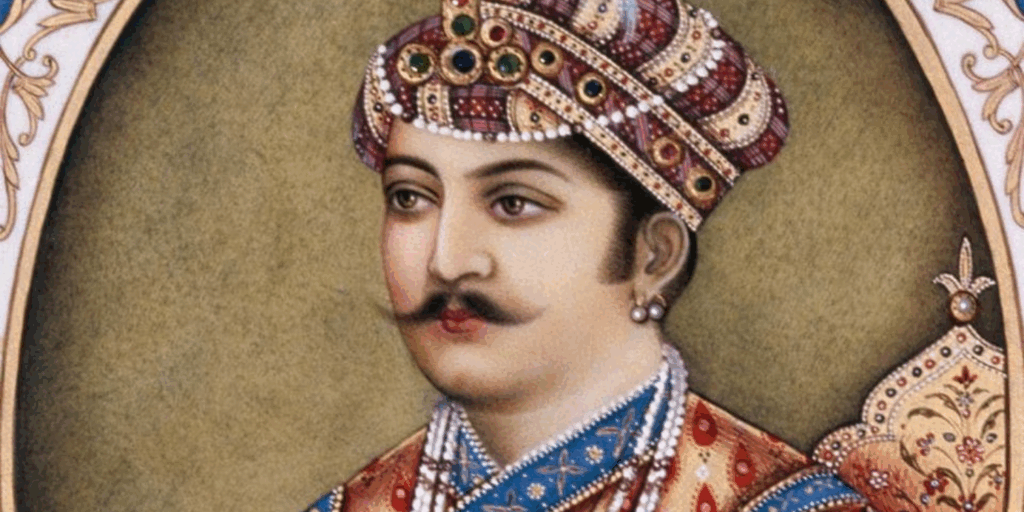
Akbar’s reign transformed the Mughal Empire into one of India’s most powerful and prosperous kingdoms. His policies of religious tolerance promoted harmony among diverse communities, fostering a unified society. Akbar implemented a strong and efficient administration that improved governance and justice across his vast empire. He also championed cultural advancements, supporting art, literature, and architecture, which led to iconic monuments like Fatehpur Sikri. His visionary leadership left an enduring legacy, shaping India’s political, social, and cultural landscape for centuries.
The top 10 Powerful Kings in India left a lasting legacy through their military conquests, cultural contributions, and governance. Their empires shaped history, influencing art, architecture, and society. These rulers remain integral to India’s rich heritage.
Different criteria, such as military achievements, governance, cultural contributions, and legacy, often shape debates about the greatest Indian king.
| King | Strengths Highlighted |
|---|---|
| Ashoka | Excelled in decentralized governance and resistance, famous for guerrilla tactics and establishing a resilient Maratha administration. |
| Akbar | Known for the best blend of diplomacy and military power, he unified diverse regions through conquest and inclusive policies. |
| Shivaji | Excelled in decentralized governance and resistance famous for guerrilla tactics and establishing a resilient Maratha administration. |
| Raja Raja Chola | Dominated the seas with naval power and left a lasting legacy in temple architecture and South Indian culture. |
India’s top 10 powerful kings have profoundly shaped the nation’s history, culture, and governance. Leaders like Chandragupta Maurya and Rani Lakshmibai taught valuable lessons in leadership, resilience, and vision, uniting regions and governing with fairness. Maharana Pratap and Chhatrapati Shivaji Maharaj exemplified bravery and strategic brilliance, inspiring patriotism. Ashoka spread Buddhism, and Akbar fostered cultural unity, supporting arts, literature, and learning.
Their achievements continue to inspire, connecting us to India’s rich heritage. Learning about the top 10 powerful kings in India highlights timeless values of strength, innovation, and unity, deepening our understanding of India’s diverse history and enduring impact on our modern world.
From Ashoka’s Buddhist compassion to Shivaji’s military brilliance and Akbar’s visionary administration, India’s kings have left legacies shaping the subcontinent’s identity. Each ruler uniquely contributed to Indian civilization. Ashoka promoted peace and tolerance; Akbar united through diplomacy; Shivaji resisted imperial powers with decentralized rule; and Raja Raja Chola expanded maritime influence and culture. These figures are among the top 10 powerful kings in India, known for their leadership and lasting impact.
These monarchs were powerful rulers and transformative figures who influenced politics, religion, culture, and society. Their reigns laid the foundations for modern India’s diversity and resilience. Studying the top 10 powerful kings in India offers valuable insights into the values, challenges, and aspirations that defined ancient and medieval India. In essence, their enduring impact reflects the richness and complexity of India’s historical legacy.
Many people believe Ashoka the Great was the most powerful king of Indian history. His empire covered almost the entire Indian subcontinent. After the Kalinga war, he changed. He embraced Buddhism, promoted peace, and focused on ethical governance. His actions left a lasting impact in India and across Asia.
Chandragupta Maurya, guided by his mentor Chanakya, is among India’s top 10 powerful kings. He founded the Mauryan Empire in 322 BCE and unified most of the Indian subcontinent, establishing a centralized system of governance that laid the foundation for one of the largest and most powerful empires in ancient India.
Akbar earned the title “the Great” because of his remarkable contributions to governance, culture, and religious harmony. He promoted unity between Hindus and Muslims, centralized the administration, and encouraged the growth of art and architecture, which helped strengthen the Mughal Empire.
Tipu Sultan and Rani Lakshmibai are two well-known leaders who bravely resisted British colonial rule. Tipu Sultan, the ruler of Mysore, fought several wars against the British. Rani Lakshmibai led the resistance during the 1857 revolt, becoming a symbol of courage and patriotism in India’s struggle for independence.
Krishnadevaraya was the most famous ruler of the Vijayanagara Empire, ruling from 1509 to 1529. He was known for his military victories, firm administration, and support for arts and literature. Under his leadership, the empire grew into one of the wealthiest and most culturally vibrant states in South India.
Maharana Pratap is considered one of the greatest warriors who never faced outright defeat in battle. Though he lost the Battle of Haldighati against the Mughals, he continued to resist them and later regained much of his kingdom. His resilience and strategic warfare made him an undefeated symbol of Rajput bravery.
India’s strongest kings include Chandragupta Maurya, Ashoka the Great, Samudragupta, and Shivaji Maharaj. They are known for their power, military success, cultural impact, and influence across different historical periods.
Chhatrapati Shivaji Maharaj, the fearless 17th-century Maratha warrior, boldly challenged the mighty Mughal Empire under Emperor Aurangzeb, making him one of the most remarkable figures in early modern Indian history.
India no longer has a king. It is a democratic republic with an elected President as the ceremonial head of state and a Prime Minister as the head of government.
The best king in India depends on the criteria: Ashoka for legacy and peace, Akbar for religious tolerance and governance, Shivaji for military strategy and resistance, and Raja Raja Chola for naval power and architecture. Each excelled uniquely, making the title subjective to what qualities you value most.