Indoor games have always been a source of entertainment, creativity, and bonding. From traditional board games played in Indian households for centuries to modern digital indoor games, they hold a special place in people’s lives. This article will explore a list of indoor games in India and worldwide.
Indoor games are games or activities that can be played within a closed space, usually at home, in schools, or community halls. Unlike outdoor sports, they do not require large fields and can be played regardless of weather conditions. These games range from traditional ones like chess, carrom, and ludo to modern ones like video games, VR-based games, and indoor sports such as badminton or table tennis. A list of indoor games typically includes mind games, board games, card games, and even physical activities that can be played indoors.
Indoor games are deeply embedded in Indian culture. Ancient games like Pachisi and Chaupar were entertainment and a way to develop strategy, patience, and social bonding. In modern times, a list of indoor games continues to hold relevance:
Indoor games are more than just pastimes; they contribute to mental growth, emotional well-being, and social harmony. A list of indoor games offers several benefits that make them valuable even in today’s fast-paced lifestyle:
Indoor games come in different forms; some test your mental sharpness, some involve physical activity, and others are perfect for group fun or cultural connection. A well-structured list of indoor games can be divided into the following categories:
Board and strategy games are among the most popular indoor games worldwide. They stimulate the mind, enhance decision-making, and often carry rich cultural significance. Below is a list of indoor games that belong to this category:
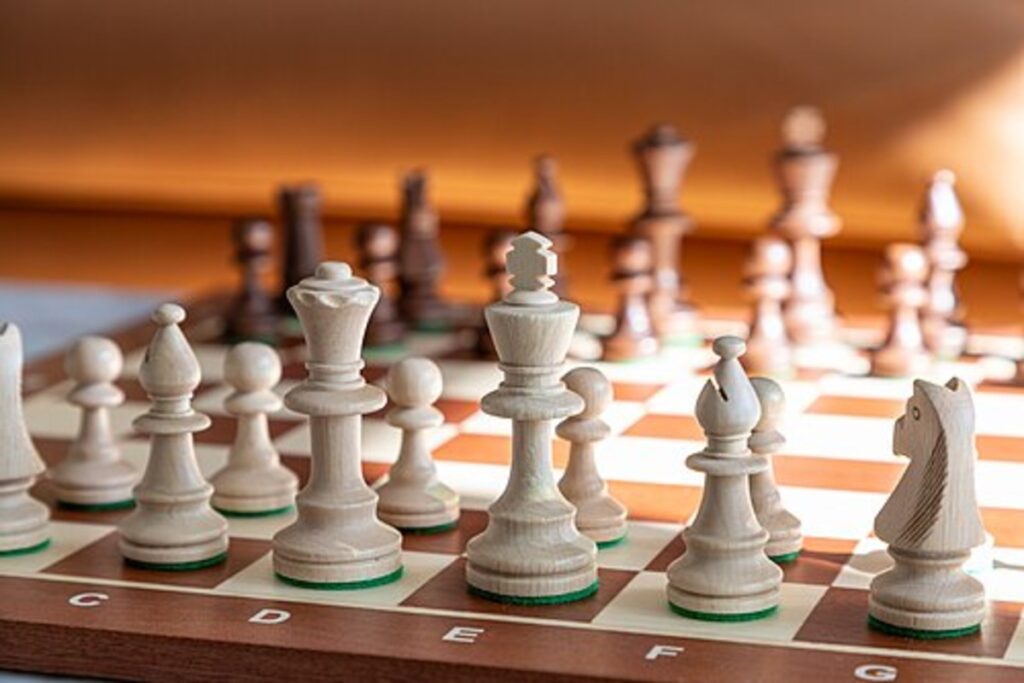
Known as the “game of kings,” chess is one of the oldest strategy-based indoor games in the world. In India, it is believed to have originated from the ancient game Chaturanga, played in royal courts. Today, chess is played globally and is even recognized as a competitive sport that sharpens concentration, patience, and strategic planning.
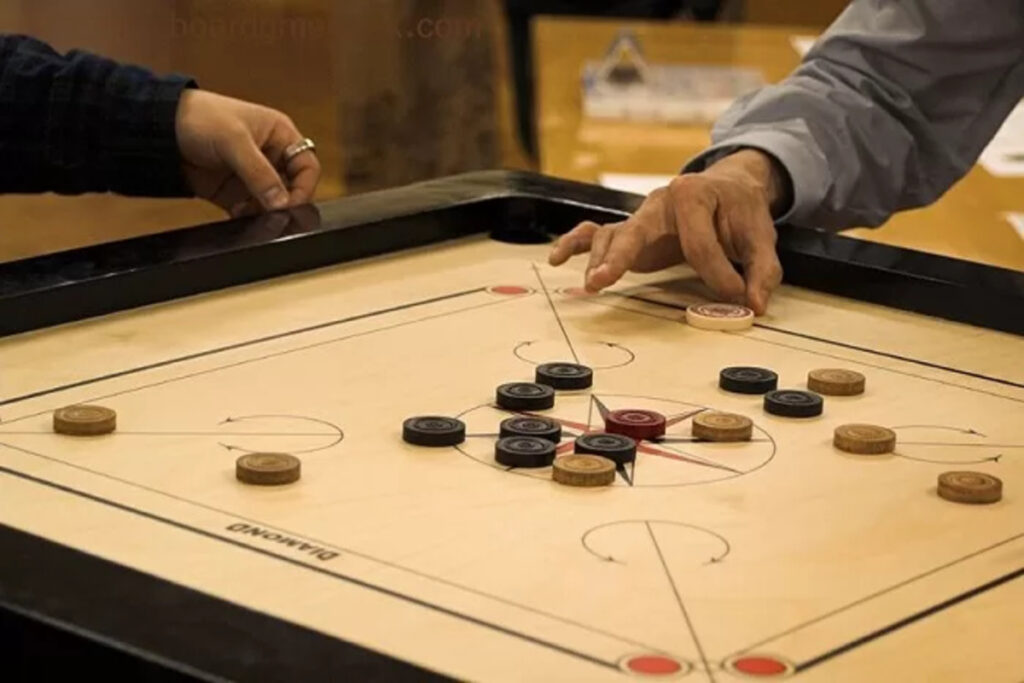
Carrom is a strike-and-pocket game widely popular in Indian households, clubs, and community centers. Played on a square wooden board, players use a striker to pocket coins of two colors, with the red coin called the “queen.” This game promotes hand-eye coordination, focus, and friendly competition, making it a favorite family pastime.
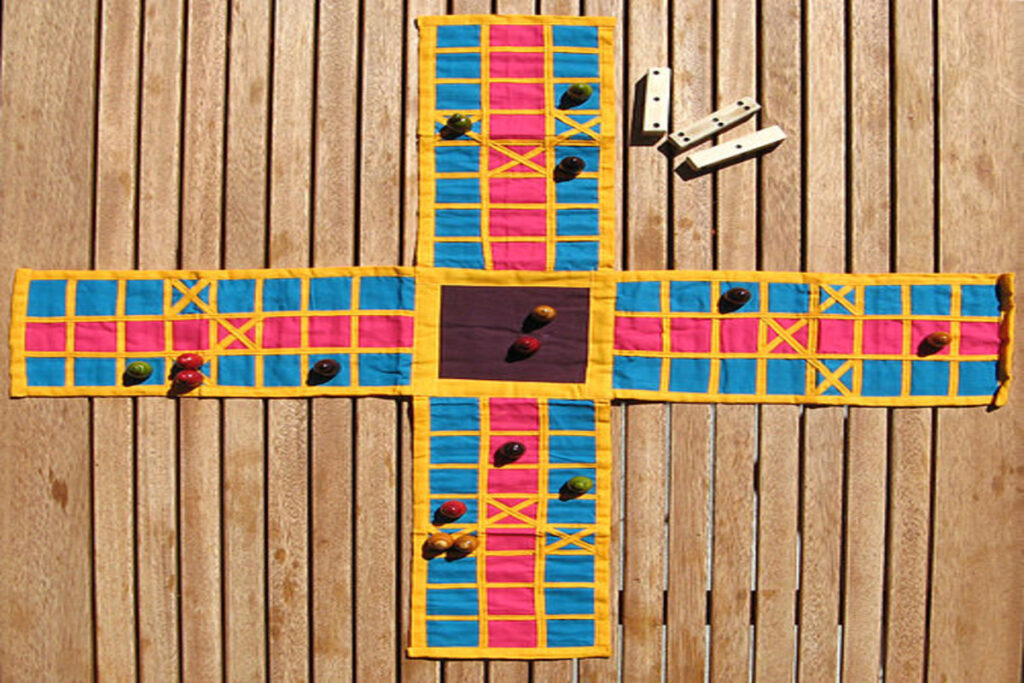
Ludo is a simplified version of Pachisi, a game deeply rooted in Indian history. References to Pachisi can be found in the Mahabharata, where Shakuni’s dice game changed the course of the epic. Played with dice and tokens, Ludo symbolizes strategy, luck, and rivalry.
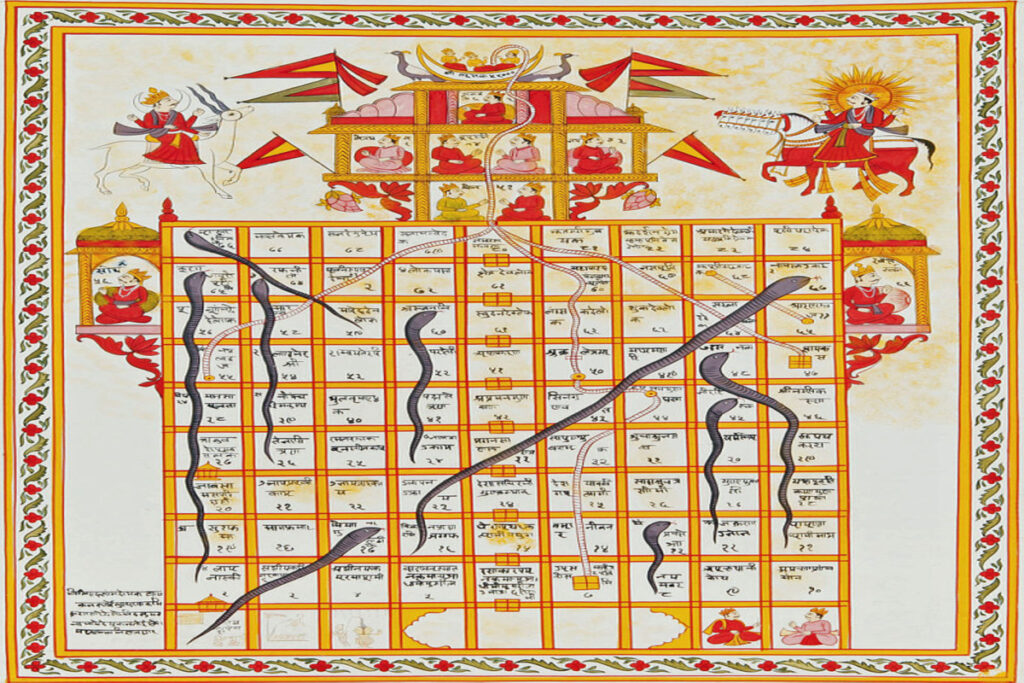
Originally known as Moksha Patam, this game was created in ancient India to teach moral lessons. The ladders represented virtues like honesty and kindness, while the snakes symbolized vices such as greed and anger.
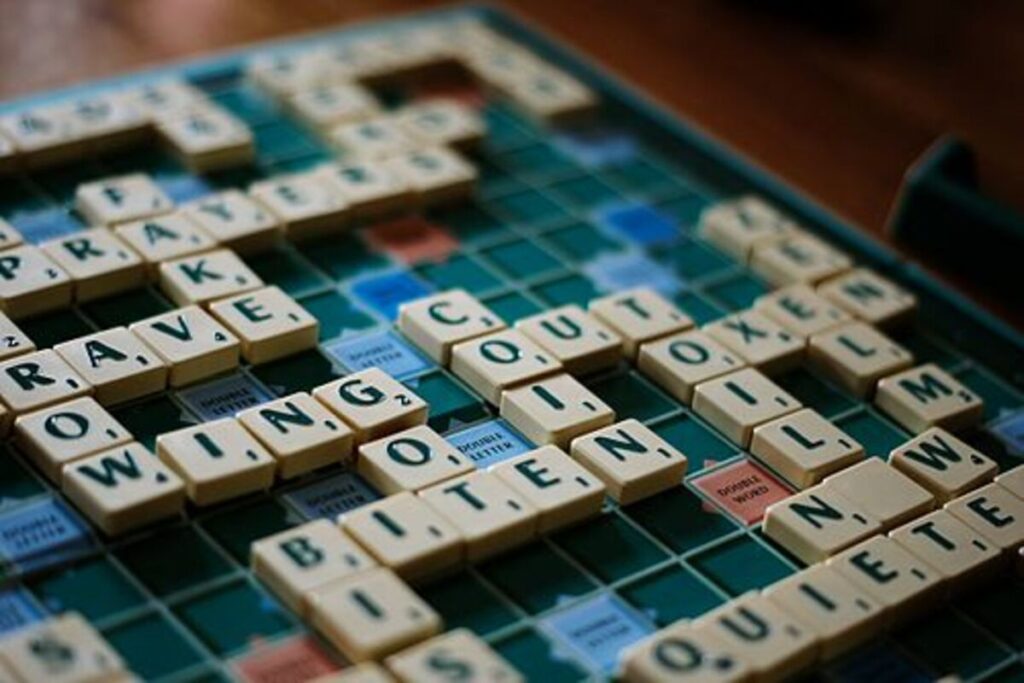
Scrabble is a word-building board game that enhances vocabulary, spelling, and creative thinking. Each player uses letter tiles to form words on the board, scoring points based on the letters used. It is educational and a fun way to compete with friends and family, making it a popular indoor game for students and adults alike.
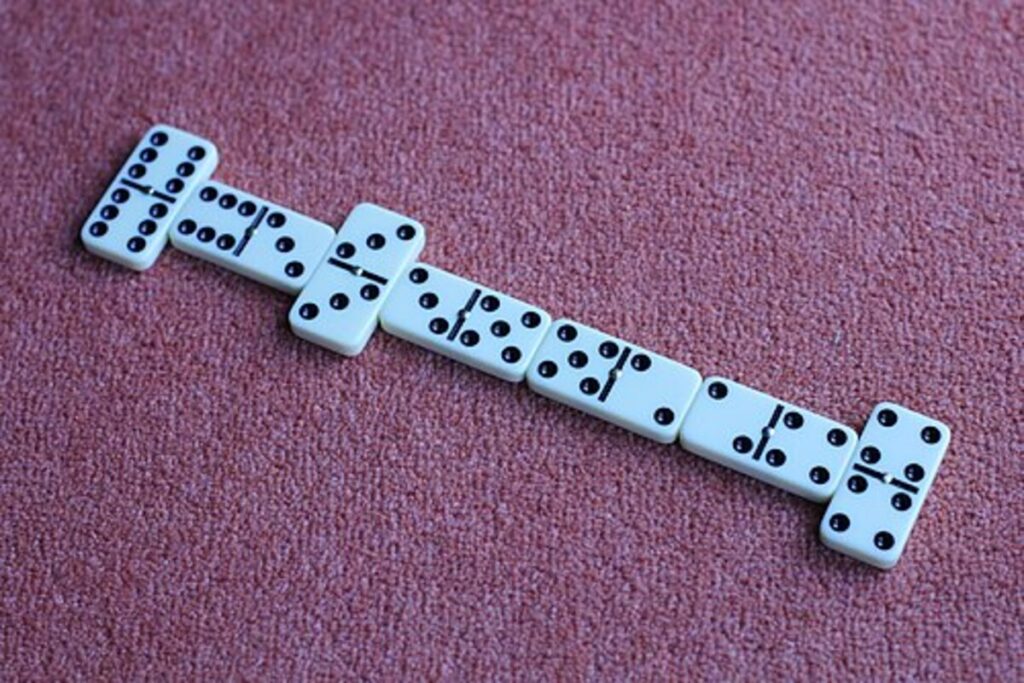
Dominoes is a tile-based game played with rectangular tiles, each divided into two squares with dots representing numbers. The objective is to match tiles end to end based on their values. Simple yet engaging, dominoes promote logical thinking, quick calculations, and social interaction.
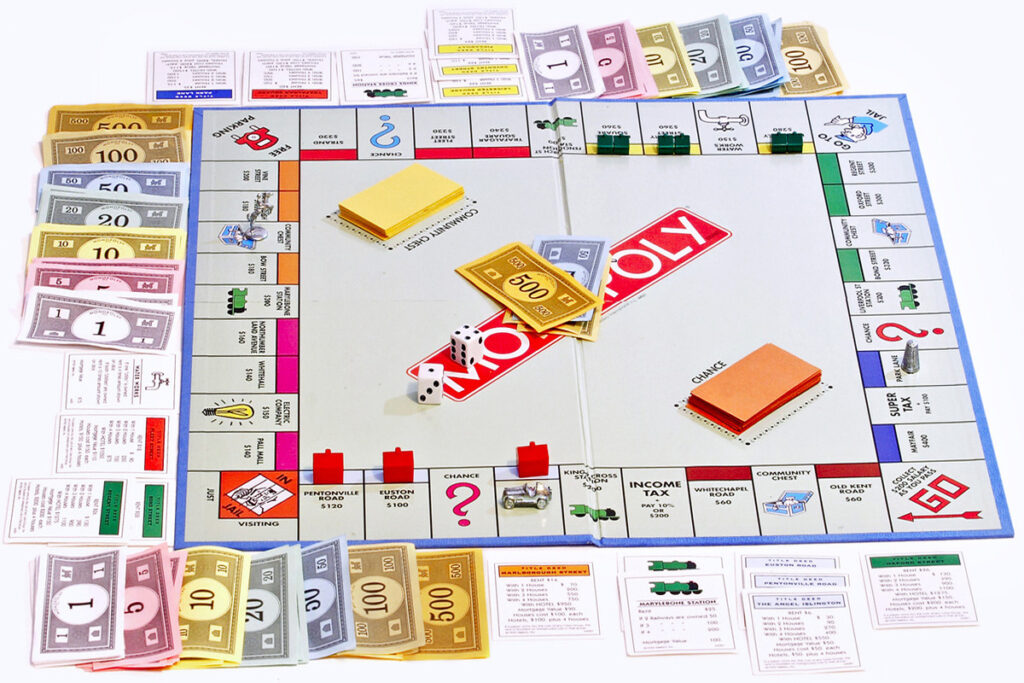
Monopoly is a business-themed strategy game where players buy, sell, and trade properties while aiming to bankrupt opponents. It teaches negotiation skills, financial literacy, and risk management.
Not all indoor games are quiet or strategy-based; many involve physical activity, movement, and excitement. These games improve fitness, reflexes, and coordination while playing in a closed environment. A list of indoor games in this category includes:
Also known as ping-pong, table tennis is one of the fastest indoor sports in the world. Playing with lightweight paddles and a small ball on a table divided by a net improves hand-eye coordination, agility, and reflexes. Table tennis is recreational and competitive and is widely played in schools, sports clubs, and homes with compact setups.
Badminton is often considered an outdoor sport, but indoor badminton courts are now becoming commonplace across India and globally. Playing badminton indoors eliminates weather disruptions, making it suitable year-round. It helps improve stamina, flexibility, and balance while being an enjoyable workout for people of all ages.
Bowling alleys have long been popular in gaming zones and malls, but compact mini indoor bowling kits are now available for homes, too. Players roll a ball to knock down pins arranged in a triangular formation. This game enhances focus, coordination, and precision, while being a great party and family activity.
Jenga is a block-stacking game that combines steady hands, patience, and strategy. Players take turns removing one block at a time from a wooden tower and placing it on top without toppling it. It develops focus, fine motor skills, and problem-solving abilities, while also adding suspense and fun to gatherings.
Party and group indoor games are designed for fun, laughter, and togetherness. They require little or no equipment and are ideal for family functions, festivals, or casual gatherings. A list of indoor games in this category includes:
A timeless party favorite, charades (popularly known as Damsharas in India) is a game in which one player acts out a word, movie, or phrase without speaking while the others try to guess it. This game promotes creativity, teamwork, and quick thinking, making it a hit at family and social events.
Truth & Dare is a classic group game that adds excitement and unpredictability to gatherings. Players spin a bottle or choose turns, answer a truth question honestly, or complete a dare challenge. It is fun and interactive and helps people bond while encouraging openness and humor.
Musical chairs is one of the most entertaining indoor games for kids and adults. Chairs are placed in a circle, and players walk around them while music plays. When the music stops, everyone must grab a chair that is one fewer than the number of players. The one left standing is eliminated. This game encourages alertness, reflexes, and a competitive spirit.
Pictionary is a drawing-and-guessing game where players illustrate words or phrases while others guess within a time limit. It boosts imagination, communication skills, and teamwork, making it a fun and creative indoor game for groups of all ages.
Card games have always been popular indoor activities in India. Whether it’s Rummy and Teen Patti during Diwali, casual rounds of Uno with family, or Poker nights with friends, card games offer entertainment and strategy. They are easy to set up, enjoyable in groups, and often become a tradition in family gatherings.
India has a rich legacy of indoor games passed down through generations. These games were a source of entertainment and a way to teach life lessons, teamwork, and cultural values. Many of them are precursors to modern board games. A list of indoor games from India’s tradition includes:
Chaupar is an ancient Indian dice game, often regarded as the predecessor of modern Ludo. Played with long cloth boards and cowrie shells or dice, Chaupar required strategy, planning, and luck. It is famously mentioned in the Mahabharata, where Shakuni used it in the game of dice that led to the Kurukshetra war.
Pallankuli, also known as Pallanguzhi, is a traditional South Indian game played on a wooden board with 14 pits using shells, seeds, or small stones. Players distribute the pieces across the pits in strategic ways, aiming to capture the opponent’s seeds. The game develops mathematical thinking, memory, and strategy skills while preserving cultural heritage.
Paramapadam, the original Indian version of Snakes & Ladders, was designed as a moral teaching tool. The ladders symbolized virtues like truth and compassion, while the snakes represented vices such as greed and envy. The ultimate goal was to reach “moksha” (liberation). This spiritual element gave the game deep cultural value beyond entertainment.
Known as Dahdi in rural India, Nine Men’s Morris is a strategy board game that dates back centuries. Players place nine coins each on a grid and aim to form rows of three, which allows them to remove the opponent’s coin. The game enhances logical reasoning, patience, and foresight, making it a timeless classic.
Antakshari is a popular oral musical game played in Indian households during family gatherings, picnics, and long journeys. Players or teams sing songs starting with the last letter of the previous song. Beyond entertainment, Antakshari carries cultural value, keeping classical, folk, and Bollywood music traditions alive across generations.
Kancha is a traditional game played with glass marbles, popular among children in villages. The aim is to strike and collect opponents’ marbles using one’s shooter marble. The game encourages precision, focus, and healthy competition, and though simple, it remains a nostalgic childhood favorite.
Lattoo, or spinning top, is an age-old game played by making a wooden top spin using a thread. Players compete to see whose top spin lasts the longest or performs the most tricks. It develops hand skills, coordination, and timing. Despite modern toys, Lattoo still enjoys popularity in rural India.
Children benefit immensely from indoor games because they combine learning, creativity, and fun. Whether it’s a quiet board game, a group activity, or modern digital learning games, indoor play helps kids develop essential life skills while keeping them entertained. A list of indoor games suitable for children includes:
Though often seen as a serious game, chess is a fantastic option for children. It improves memory, concentration, logical reasoning, and patience, helping kids develop strategic thinking from a young age.
Ludo remains one of the most beloved indoor games for kids. Its simple rules make it easy for children to play while still teaching turn-taking, patience, and planning lessons.
This fun musical game encourages children to explore music and creativity. Singing songs starting with the last letter of the previous one entertains and improves memory, vocabulary, and confidence.
Kids love Pictionary because it combines art with imagination. Drawing and guessing games encourage creativity, communication, and teamwork, making them perfect for classrooms and family nights.
Block-based games like Lego or Jenga help children develop motor skills, spatial awareness, and problem-solving abilities. They also boost creativity by letting kids build structures of their imagination.
With technology becoming a part of daily life, online educational games have become popular for kids. Games focused on math puzzles, memory challenges, spelling, or coding basics make learning interactive and enjoyable.
Indoor games are not just for kids; they play a massive role in keeping adults entertained, socially connected, and stress-free. Family gatherings, festive occasions, or casual evenings become more engaging with fun indoor games that promote bonding, competition, and laughter.
Card games are timeless favorites at Indian family get-togethers. Games like Rummy, Poker, and Teen Patti bring thrill, strategy, and excitement. They improve analytical thinking, memory, and social interaction while keeping traditions alive.
Known internationally as bingo, Tambola is one of the most popular indoor games at family functions and parties. It is easy to play in large groups and combines luck, excitement, and fun, making it a must-have for festive gatherings.
For families who enjoy intellectual challenges, Chess and Carrom remain evergreen classics. These games encourage healthy competition, patience, and teamwork, making them perfect for adults and older children.
Games like Truth & Dare bring out the playful side of gatherings, while Monopoly adds strategy and friendly competition. Such indoor games are ideal for breaking the ice and ensuring everyone participates actively.
Indoor games have always been more than just a way to pass time; they represent entertainment, learning, and cultural heritage. Traditional games like Ludo, Chess, Carrom, and Antakshari have been passed down for generations, reflecting India’s rich social traditions. At the same time, modern indoor games such as Pictionary, online learning apps, and strategy-based digital games bring creativity, innovation, and global influences into our homes.
The beauty of indoor games lies in their diversity: some sharpen the mind, others encourage teamwork, while many create moments of joy and laughter. In today’s fast-paced lifestyle, balancing traditional indoor games with modern ones ensures that cultural roots remain strong while embracing new ways of play.
Whether played by kids, adults, or entire families, indoor games continue to be a source of bonding, relaxation, and shared happiness, proving that fun begins at home.
Also Read :
Indoor games are fun activities that kids can enjoy with their parents or other family members at home. These games help kids learn better and develop a growth mindset while keeping them active. They encourage problem-solving, creativity, and teamwork while having a great time together. Some great indoor games for kids include Hopscotch, Puzzles, Chess, and more.
Engaging in fun indoor activities provides physical and mental benefits for individuals of all ages. Indoor games like Chess and puzzles stimulate brain activity, memory, problem-solving, and critical thinking abilities while offering mental clarity benefits. They also help combat stress and anxiety, promote relaxation, and release endorphins to reduce tension.
Indoor games offer adults an inspiring way to stay entertained in the comfort of their homes or workspaces. Some interactive games that promise laughter and a break from routine include Ludo, Snakes and Ladders, Charades, card games, Tombola, table tennis, Scrabble, Uno, Carrom, Monopoly, and Pictionary.
Plan a day with your kids to create your DIY indoor games and allow them to share their ideas. For instance, you can make a giant shape-matching game for toddlers, enhancing their problem-solving and hand-eye coordination. Over time, you can build more complex shapes.
Engaging in fun indoor games can be challenging if your family lives in a small space. Some go-to small-space activities for kids include Hide and Seek, tape games, building a fort, sock games, dance shadows, The Floor is Lava, indoor bowling, Twister, paper airplane toss, and activity dice.
There are many indoor games, but some popular ones include basketball, volleyball, table tennis, badminton, carom, ludo and indoor soccer. The exact number depends on how you categorize them.