A bio data format for job applications highlights personal details, education, skills, and experience in a clear, structured way preferred by many Indian employers.
In 2025, presenting the right bio data can enhance your credibility, professionalism, and selection chances, particularly in government, teaching, and traditional sectors.
An effective bio data should include accurate, updated information with clearly defined sections, and may also feature a declaration, photograph, and references to build trust with employers.
Table of Contents
Applying for a job in India and want to make your application stand out? The bio data format is still a popular choice among employers, especially in government jobs, teaching, and traditional sectors. For example, Riya, a B.Com graduate, used a well-structured bio data to apply for a teaching role and was shortlisted within a week, proving how effective this format can be even today. Unlike a resume or CV, bio data focuses on personal details, education, skills, and experience in a simple format that employers can scan quickly.
In the competitive job market of 2025, where according to NASSCOM’s 2024 report, 35% of entry-level jobs in India still accept bio data formats, presenting your information in the right way can boost your credibility, increase your chances of being shortlisted, and help you make a strong first impression.
This guide written by a career counselor with 7+ years of experience guiding students and professionals will help you learn everything about creating an effective bio data for job applications. It includes essential sections, formatting tips, and common mistakes to avoid. Whether you are a recent graduate or an experienced worker, you’ll find actionable advice to build trust with employers and improve your chances of landing the job you want.
Understanding Bio data
Bio data, short for biographical data, is a structured document that outlines an individual’s personal and professional background. It typically includes personal details such as name, date of birth, gender, marital status, religion, nationality, and contact information—elements that are usually excluded in a modern resume or CV.
The purpose of a bio data is to provide a comprehensive overview of a candidate’s identity and life history, making it a common requirement in more traditional and formal job application settings. The bio data format for job applications is especially popular in South Asian countries like India, Bangladesh, and Nepal, where it is often used for government roles, academic positions, and matrimonial purposes. Unlike a CV, which focuses more on achievements and skills, the bio data format emphasizes personal details alongside educational qualifications and work experience. This makes it a preferred choice for organizations that value complete background information when evaluating candidates.
Types of Biodata Formats
Understanding the different types of bio data format for job and other purposes helps you tailor your document more effectively. Here are the four most common types:
1. Traditional Bio Data
This is the most basic format and includes extensive personal details such as name, age, gender, religion, caste, marital status, and contact information. It’s commonly used in government jobs and formal institutions where personal background is still considered important.
Use it for:
Government job applications
Public sector roles
Traditional and conservative employers
2. Job-Oriented Bio Data
This format focuses on career-related information—education, work experience, skills, certifications, and professional achievements. Personal details are minimal and only included where necessary.
Use it for:
Private sector jobs
Corporate roles
Professional and skill-based applications
3. Matrimonial Bio Data
Primarily used for matchmaking, this version highlights personal background, family details, religion, interests, and a short self-description. Career and education details are often included but not prioritized.
Use it for:
Matrimonial websites
Family-arranged marriage introductions
Personal biodata sharing
4. Academic Bio Data
Tailored for educational or research roles, this biodata emphasizes academic history, research work, publications, teaching experience, and academic achievements.
Use it for:
Academic job applications
Research fellowship programs
University admissions or teaching posts
Difference Between Resume and Bio Data
Aspect
Resume
Bio Data
Focus
Highlights professional achievements, skills, and qualifications
Emphasizes personal details along with education and work experience
Personal Information
Includes minimal personal details (e.g., name, contact)
Includes extensive personal info (e.g., age, gender, marital status, religion, etc.)
Length
Typically 1–2 pages
Can be longer depending on personal and professional details
Usage
Commonly used in private sector and modern industries globally
Preferred in South Asian countries, especially for government, academic, and traditional jobs
Tone
Formal and concise, focused on career accomplishments
More descriptive, includes both personal and professional background
Purpose
Job applications in corporate, creative, or international roles
Used for job applications, internships, government jobs, and matrimonial purposes
When to Use a Biodata Instead of a Resume or CV
While resumes and CVs are widely used in modern job markets, there are specific situations where a bio data format for job applications is preferred or even required.
Use a Biodata When:
Applying for Government Jobs: Many public sector organizations still follow traditional hiring formats that require detailed personal information.
Traditional or Family-Owned Businesses: Employers in conservative industries may expect a biodata that includes family background, marital status, and other personal details.
Academic or Administrative Roles: Some educational institutions and clerical posts ask for biodata as part of formal documentation.
Internships or Campus Placements: For freshers, especially in South Asian countries, biodata is often used during college placements or walk-in interviews.
Matrimonial Purposes: Though not job-related, biodata is the standard format used in matchmaking and matrimonial proposals.
Key Components of a Job Biodata
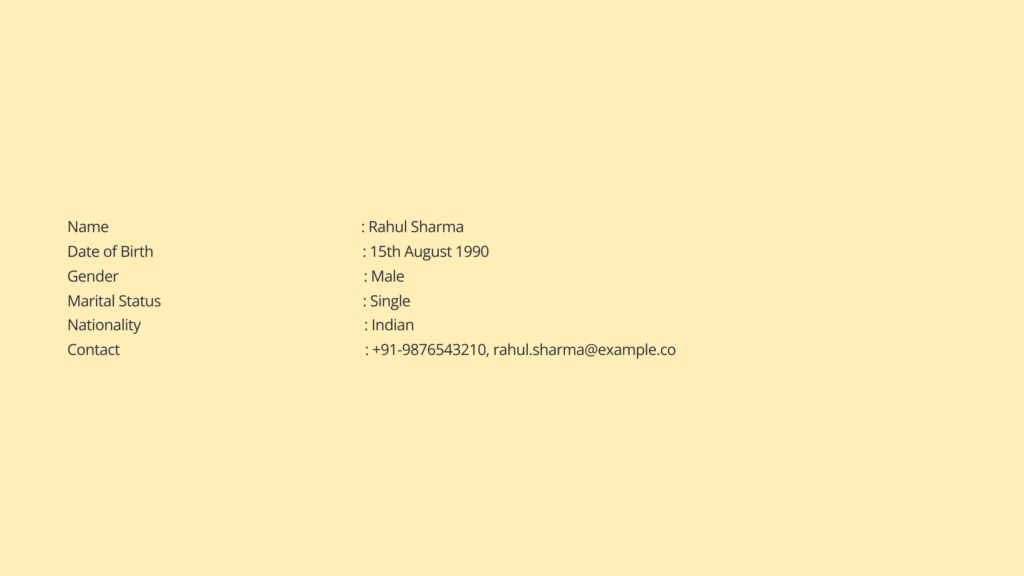
1. Personal Information
This section includes:
Full Name
Date of Birth
Gender
Marital Status
Nationality
Contact Details (Address, Phone Number, Email)
Example:
2. Career Objective
A concise statement outlining your career goals and how they align with the company’s objectives.
Example:“To secure a challenging position in a reputable organization to expand my learnings, knowledge, and skills.”
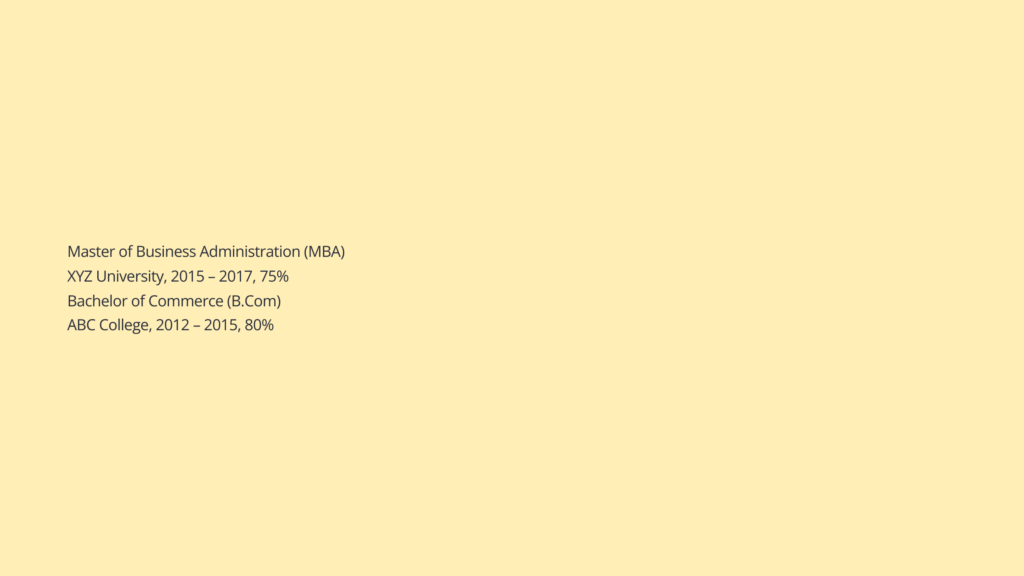
3. Educational Qualifications
List your academic background in reverse chronological order:
Degree
Institution
Year of Passing
Percentage/Grade
Example:
4. Work Experience
Detail your professional experience, including:
Job Title
Company Name
Duration
Key Responsibilities
Example:
Marketing Executive DEF Ltd., June 2018 – Present
Developed marketing strategies that increased sales by 20%
Managed social media campaigns and content creation
5. Skills
Highlight both technical and soft skills relevant to the job:
Proficient in MS Office Suite
Excellent communication and interpersonal skills
Fluent in English and Hindi
6. Achievements and Awards
Mention any notable accomplishments:
Employee of the Month, DEF Ltd., March 2020
Top Performer Award, XYZ University, 2017
7. References
Provide references if required:
Name
Designation
Organization
Contact Information
Example:
Tips for Crafting an Effective Bio Data Format for Job
A well-prepared bio data format for job applications can be the key to securing an interview. It not only reflects your qualifications but also showcases your attention to detail and professionalism. Here are some essential tips to help you create an impressive and effective biodata:
1. Tailor Your Biodata for Each Role
Avoid using a one-size-fits-all approach. Instead, customize your bio data format for job applications by aligning your skills, experience, and career objective with the specific role you’re applying for. Highlight relevant achievements and keywords from the job description to increase your chances of getting shortlisted.
2. Keep It Clear and Concise
Recruiters often have limited time to review each application. Your bio data should ideally be one to two pages long, containing only the most relevant and impactful information. A clutter-free format ensures your strengths stand out without overwhelming the reader.
3. Use Professional Language and Tone
Your bio data format for job applications should reflect a professional tone throughout. Avoid slang, casual phrases, or overly complex jargon. Write clearly and confidently, ensuring that every section communicates your qualifications and experience effectively.
4. Proofread for Accuracy
Spelling mistakes and grammatical errors can leave a poor impression. Always review your biodata thoroughly before submitting. Better yet, ask someone else to read it for clarity and correctness. A clean, error-free document shows that you value professionalism.
5. Keep It Updated
Your bio data format for job shouldn’t remain static. Regularly update it with your latest work experience, certifications, skills, or accomplishments. This ensures that you’re always ready to apply for new opportunities without scrambling to update outdated information.
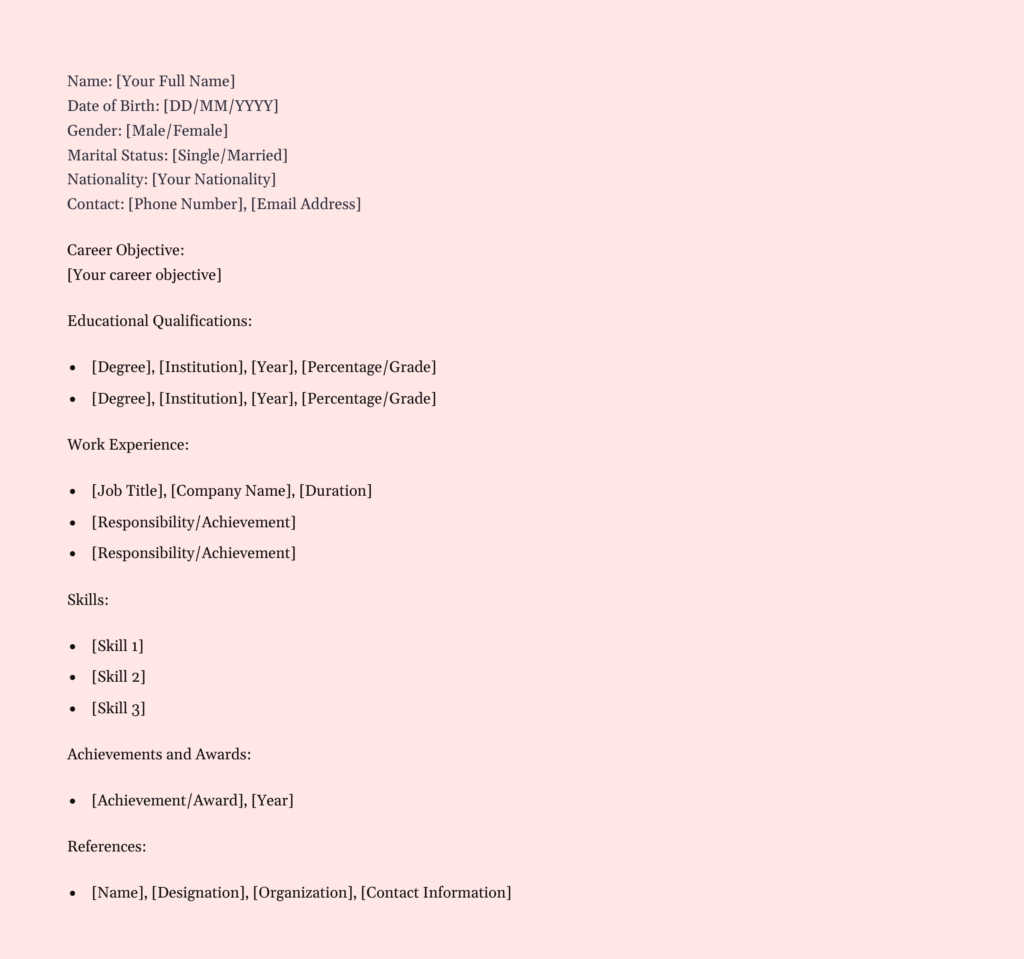
Sample Bio data Format for Job Applications
How to Make Your Bio data Using a Free Online Builder
Creating the perfect bio data format for job applications has never been easier. With our intuitive biodata builder, you can design a professional-looking document in just a few steps—no advanced formatting skills required. Here’s how you can do it:
1. Choose a Ready-Made Template
Start by choosing from a variety of expertly designed templates that follow the ideal bio data format for job seekers. Each layout is optimized to highlight your qualifications and make a strong first impression.
2. Enter Your Details
Fill in all essential details, including personal information, career objective, educational background, work experience, skills, and achievements. The builder is designed to ensure your bio data format for job applications looks clean and structured.
3. Customize to Reflect Your Personality
Whether you’re applying for a corporate role or a government job, you can adjust fonts, colors, section headings, and order to suit your needs—all while staying true to a professional bio data format for job.
4. Preview and Download Instantly
Once you’re satisfied, preview your biodata, then download it in PDF format or share it directly with recruiters. Our builder ensures your bio data format for job is polished, readable, and ready to impress hiring managers.
5. Share With Ease
Need to send your biodata to someone quickly? With our builder, you can share it directly via email or download a link to share through WhatsApp or other platforms. It’s that convenient.
How to Use a Bio data for Job Applications
Using a bio data format for job applications effectively involves more than just filling in your details—it requires thoughtful customization and strategic presentation. Here’s how you can make the most of your biodata when applying for jobs:
1. Understand the Job Requirements
Before you prepare your biodata, carefully read the job description. Identify the key qualifications, skills, or experience required, and tailor your biodata to highlight those elements. A targeted biodata format can immediately show that you’re a strong fit for the position.
2. Choose the Right Format
There’s no one-size-fits-all format. For formal sectors like government jobs or public sector units (PSUs), use a traditional layout that includes personal details upfront. For private companies or modern corporate roles, opt for a cleaner design that focuses more on skills and achievements while still maintaining essential biodata elements.
3. Highlight Key Information Early
Make sure your career objective, educational qualifications, and relevant experience appear in the top half of your document. Recruiters often scan applications quickly, so use the bio data format for job applications to draw attention to your most valuable information first.
4. Use Professional Language and Clear Formatting
Avoid slang or overly casual language. Keep the tone formal, use bullet points for clarity, and maintain consistent fonts and spacing. Proper formatting not only improves readability but also reflects your professionalism.
5. Attach the Biodata with a Cover Letter
Whenever possible, include a short and polite cover letter alongside your biodata. Mention the position you’re applying for and briefly summarize your qualifications. This adds a personal touch and gives context to your application.
6. Submit in the Preferred Format
If the employer has specified a preferred file format (e.g., PDF or Word), follow the instruction. Use a file name like “YourName_Biodata_JobTitle” to keep it professional.
7. Follow Up Respectfully
After submitting your biodata, allow the employer some time to review it. If you haven’t heard back within a week or two, consider sending a polite follow-up email to express continued interest in the role.
Do’s and Don’ts While Creating a Bio Data
Creating the right bio data format for job applications requires professionalism and precision. To make a strong impression, follow these best practices and avoid common mistakes:
Do’s (Best Practices)
Keep it Relevant and Updated: Always include your latest qualifications, experiences, and skills.
Use a Clean and Simple Format: Choose a structured bio data format with clear fonts, spacing, and headings.
Tailor for the Role: Customize your biodata to match the job description, focusing on relevant skills and achievements.
Use Formal Language: Maintain a professional tone and avoid casual expressions.
Proofread Carefully: Ensure your bio data format is free from typos and grammatical errors.
Don’ts (Common Mistakes)
Avoid Outdated Information: Don’t include irrelevant or old job experiences.
Don’t Overload Personal Info: Share only necessary personal details to maintain professionalism.
Don’t Use Fancy Designs: Stick to a simple bio data format without decorative fonts or graphics.
Never Submit Without Checking Instructions: Follow the employer’s guidelines, as some may request a resume instead.
Don’t Copy-Paste a Template Blindly: Personalize your bio data format to stand out from generic submissions.
How Recruiters View a Biodata
Clear Structure: An easy-to-read bio data format with well-defined sections like personal details, education, experience, and skills.
Relevance to the Role: Information that aligns with the job description—qualifications, work experience, and skillsets that match the employer’s needs.
Updated Information: Ensure your bio data format has current contact details, the latest job experiences, and accurate educational records.
Professional Presentation: Use formal language, error-free writing, and consistent formatting to leave a strong impression.
How to Pass the Initial Screening
Tailor Your Bio Data Format: Customize it for the specific job role and employer expectations.
Highlight Key Strengths Early: Place your career objective, top skills, and most relevant experience in the top section.
Avoid Irrelevant Details: Only include necessary personal information suitable for the role.
Use a Standard Format: Stick to a conventional bio data format unless applying for creative roles where design flexibility is valued.
A clean, well-structured bio data format for job applications signals professionalism, attention to detail, and alignment with employer requirements—qualities HR managers prioritize when shortlisting candidates.
Conclusion
Mastering the Bio Data Format is a great way for job seekers to stand out in India’s competitive job market. By presenting your personal, educational, and professional details in a clear and organized manner, you demonstrate professionalism and attention to detail—qualities highly valued by employers. Keep your information accurate, updated, and tailored to the role you’re applying for.
As hiring practices evolve, a well-structured Bio Data Format still creates opportunities, especially in traditional sectors where it remains the norm. Regularly review and refine your bio data, seek feedback from mentors or career experts, and stay updated on current trends. With the right approach, the Bio Data Format will not only build trust but also improve your chances of securing interviews and advancing your career in 2025 and beyond.
A bio data is a straightforward document that outlines personal information like name, date of birth, gender, marital status, education, and languages spoken. In contrast, a resume focuses on skills, accomplishments, and work experience. For instance, in India (2025), some government and PSU applications still ask for a bio data, while private companies and MNCs typically request a resume or CV. Tip: Keep your bio data brief (1 page) and use it only when mentioned in the job posting; otherwise, a resume is the more commonly accepted format.
How is bio data different from a resume or CV?
A bio data lists personal details like name, date of birth, marital status, education, and basic work history. In contrast, a resume highlights skills, achievements, and professional experience. A CV (Curriculum Vitae) provides a more detailed account of your academic and career record. For example, a candidate applying for a PSU or government job must submit a biodata. MNCs prefer resumes, while educational institutions usually request CVs. Tip: Use a bio data only for traditional or government roles, a resume for private sector jobs, and a CV if you are pursuing higher studies or research opportunities.
What are the essential sections to include in a job bio data?
A job bio data should include basic personal details like name, date of birth, gender, marital status, and contact information. It should also list educational background, including school, college, degrees, and the years attended. Work experience or internships, if any, should be noted, as well as languages spoken and hobbies or interests. Unlike a resume, it doesn’t emphasize achievements or skills. For instance, a fresher applying for a government job in India in 2025 may be asked to submit a one-page biodata covering these sections. Tip: Keep the structure simple, use clear headings, and avoid including sensitive details like religion or caste unless the job notification asks explicitly for them.
Should I include a photo in my bio data?
Including a photo in your bio data depends on the employer’s requirements. A passport-size photo is still necessary in many government or PSU job applications in India (2025). In the private sector and MNCs, resumes or CVs usually do not need photos unless specifically stated. For example, a teaching job in a government college may require a bio data with a photo attached, while an IT company would prefer a resume without one. Tip: Only add a photo if the job notification clearly asks for it, and always use a professional, recent headshot.
What format should I use for bio data?
A bio data is usually prepared in a simple, one-page format that lists information in clear sections such as personal details, education, work history, languages known, and hobbies. Unlike a resume, it does not need fancy layouts; a clean, text-based structure is considered professional. For example, candidates applying for government jobs in India in 2025 often need to submit their bio data in a table format with each detail listed point by point. Tip: Always keep the format neat, use headings for clarity, and if a recruiter gives a specific template, follow it exactly to avoid rejection.
Can freshers use a bio data format for their first job?
Yes, freshers can use a bio data format if the employer specifically asks for it, especially in government or PSU job applications in India 2025. A bio data highlights basic details like education, internships, and personal information, which is often enough for entry-level roles. However, most private companies and MNCs prefer a resume, focusing on skills, projects, and achievements. For example, a fresher applying for a banking clerk role in a PSU may be asked for a bio data, while an IT fresher in Bangalore will be expected to submit a resume. Tip: Always prepare both. Keep a simple one-page bio data ready for traditional employers and a resume for private sector opportunities.
Is it necessary to sign a bio data?
Yes, in most cases, a bio data should be signed at the bottom to confirm that the details provided are true and correct. This is especially important for government or PSU job applications in India (2025), where unsigned documents may be rejected. In contrast, resumes used in private companies and MNCs do not usually require a signature unless the recruiter specifically asks for it. For example, a candidate applying for a teaching position in a government school may need to sign their biodata, while an IT professional applying online will only submit a resume. Sign in blue or black ink if you’re submitting a printed bio data. For online submissions, a digital signature or typed declaration may be accepted.
Do employers still accept bio data in 2025?
Yes, its use is now limited to specific cases. In India (2025), some government jobs, PSUs, and academic institutions still accept biodata formats. They require detailed personal information in a simple structure. However, most private companies, MNCs, and startups now prefer resumes or CVs. These focus on skills, achievements, and experience. For example, a state government clerk recruitment may ask for a bio data, while a tech startup in Bangalore will require a resume. Tip: Always check the job notification carefully. Prepare a one-page bio data for traditional roles and a resume for modern private-sector opportunities.
Where can I find a sample bio data format for job applications?
You can find sample bio data formats on career guidance websites, government job portals, and professional blogs that offer free templates. In India (2025), many PSU and government recruitment notifications include a specific biodata format that applicants must follow. For example, the UPSC and state government exams often provide a downloadable template with sections such as personal details, education, and work history. Tip: If unsure, use a simple one-page tabular format with clear headings. Constantly adjust the template to fit the specific job requirements in the notification.
Authored by, Rashmi Jaisal Career Guidance Expert
Rashmi is a Content Strategist who creates research-driven content focused on education, higher education policy, and online learning. She brings an energetic blend of expertise in technology, business, and literature, sparking fresh perspectives and engaging narratives. Outside of work, she’s a passionate traveler who enjoys journaling and curating visual inspiration through Pinterest boards.