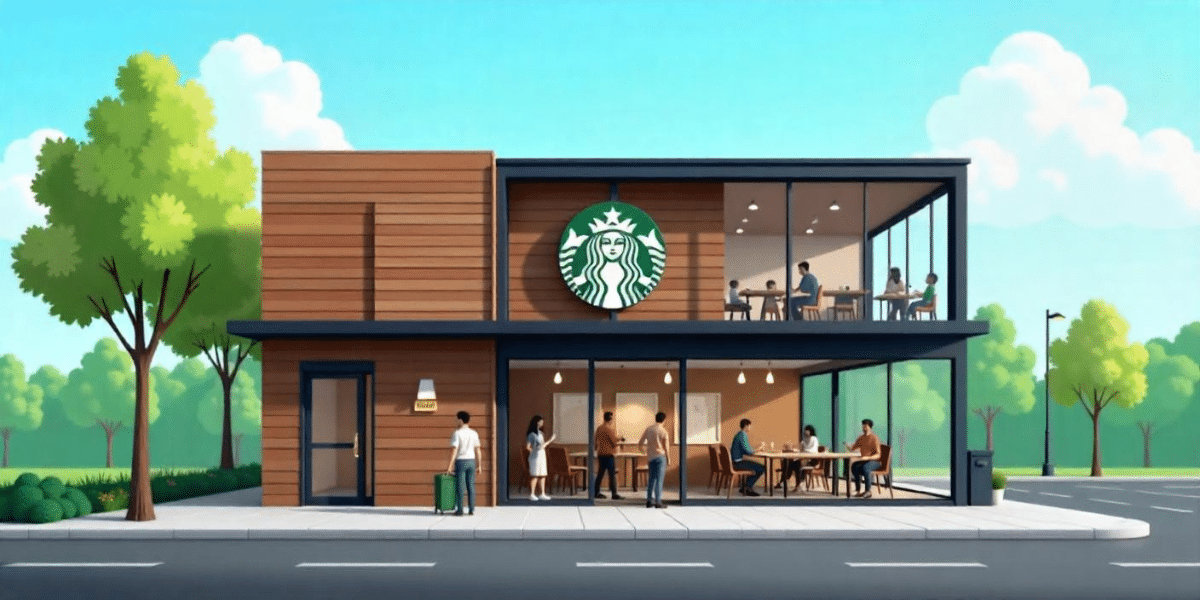
Tata Starbucks operates in India via a joint venture, maintaining brand quality and presence.
Starbucks doesn’t offer direct franchises; other coffee franchise opportunities are available in India.
The partnership blends global brand strength with local knowledge, driving India’s premium coffee market.
Table of Contents
The Starbucks franchise cost in India reflects its premium brand image, with all operations managed exclusively through a joint venture with Tata, the official Starbucks partner in India. While Starbucks does not offer direct franchise opportunities, understanding the Starbucks franchise price and Starbucks coffee price helps entrepreneurs evaluate the Indian coffee market. With over 300 locations nationwide, this partnership ensures consistent quality and a strong brand presence. Although direct Starbucks franchise opportunities in India are limited, the brand continues to shape India’s coffee culture and dominate the premium coffee retail sector.
Starbucks in India: Partnership, Ownership & Expansion
Starbucks operates in India through a joint venture with the Tata Group called Tata Starbucks Pvt Ltd. This partnership makes Tata the official Starbucks owner in India, responsible for managing the brand’s local operations and expansion.
The first Starbucks store opened in Mumbai in 2012, and since then, the brand has expanded to over 300 locations across major cities like Mumbai, Delhi, Bengaluru, Hyderabad, and Chennai. The company also plans to enter tier-2 cities to tap into growing coffee demand.
Tata’s local expertise helps Starbucks navigate India’s complex retail and regulatory environment, ensuring smooth operations and brand consistency. The partnership also emphasizes sustainable sourcing, with Starbucks obtaining coffee from Tata Coffee to maintain quality and ethical standards.
Together, Tata and Starbucks combine global brand strength with deep local knowledge, which has been key to Starbucks’ growing presence and success in the Indian market.
Can You Open a Starbucks Franchise in India?
No Direct Franchising Model
Starbucks does not offer direct franchise opportunities in India.
The company operates exclusively through a joint venture (JV) with Tata Group, called Tata Starbucks Pvt Ltd.
Why the JV Model?
Maintains strict control over brand quality and customer experience.
Leverages Tata’s deep knowledge of the Indian market and local business environment.
Ensures consistent brand positioning and premium service standards.
Partner Selection by Tata
Tata Starbucks manages all store operations without traditional franchise agreements.
Occasionally partners with select businesses for retail locations (e.g., malls, airports).
These partnerships are strategic and carefully chosen, not open for franchise applications.
Implications for Entrepreneurs
Starbucks franchise opportunities are currently unavailable in India.
Entrepreneurs interested in coffee retail should consider other coffee chains or explore partnership opportunities with Tata Starbucks.
The JV approach focuses on sustainable growth and long-term brand investment rather than rapid expansion through franchising.
Higher Pricing than Local Cafés: Starbucks charges more than typical neighborhood coffee shops in India. This premium pricing reflects its global brand reputation, quality control, and exclusive ambiance that customers associate with luxury.
Popular Beverage Offerings: Signature drinks like lattes, cappuccinos, and frappuccinos are crowd favorites. These beverages often use imported coffee beans and ingredients, adding to the cost but ensuring consistent quality.
Quality Ingredients & Imported Equipment: Starbucks invests in premium raw materials and state-of-the-art coffee machines. This focus on quality influences the price, ensuring customers receive a consistent and elevated coffee experience every time.
Aspirational Customer Experience: Beyond coffee, Starbucks offers a comfortable, stylish space for socializing or work. The brand emphasizes ambiance, music, and customer service to create an inviting atmosphere that justifies its price point.
Lifestyle Brand Positioning: Starbucks markets itself not just as a coffee seller but as part of an upscale, urban lifestyle. This positioning attracts affluent customers willing to pay extra for the prestige and environment Starbucks provides.
Profit Margins Supporting Franchise Costs: The higher prices help cover expensive store setups, staff training, and royalty fees, making franchise operations financially viable. It ensures both the parent company and franchise partners maintain profitability.
Consistency and Brand Prestige: Customers trust Starbucks for uniform taste and quality worldwide. This trust builds loyalty and willingness to pay a premium compared to local cafés with varying standards.
Differentiation from Fast-Food and Traditional Coffee Shops: Starbucks deliberately distances itself from fast-food chains by focusing on handcrafted beverages, specialty drinks, and premium pricing that reinforces exclusivity.
Strategic Pricing for Luxury Appeal: The pricing strategy maintains Starbucks’ image as a luxury coffee brand in India’s metro markets, appealing especially to young professionals, students, and aspirational buyers who seek more than just a cup of coffee.
Operational Expenses for Running a Starbucks Franchise Store
Monthly Rent (Metro vs. Tier-2 Cities): Rent is one of the biggest fixed costs. In metro cities like Mumbai, Delhi, or Bengaluru, prime retail spaces command high rents due to foot traffic and location prestige. Tier-2 cities offer more affordable rents but may have lower customer volume. Choosing the right location balances cost with potential revenue.
Staff Salaries and Training: Starbucks emphasizes quality service, so competitive salaries are necessary to attract skilled baristas and managers. Staff training is rigorous, often conducted through Tata Starbucks University, ensuring consistent service standards and brand experience. Training costs and salaries can vary based on city wage standards.
Technology, Maintenance, and Utilities: Running a Starbucks store involves continuous maintenance of coffee machines, POS systems, and digital ordering tools. Utilities such as electricity, water, and internet are essential for smooth operations. Investment in technology enhances customer experience but adds to monthly expenses.
Royalty or Revenue Share to Tata (if applicable): While Starbucks operates in India through a joint venture with Tata, franchise models often include royalty payments or revenue sharing to the parent company. This fee covers brand use, marketing support, and ongoing operational assistance, impacting the net profitability of the store.
Revenue Potential & Profitability of a Starbucks Franchise
A Starbucks store in a prime location can attract hundreds to over a thousand customers daily. The average order size usually falls between ₹150 to ₹400, depending on whether customers buy just coffee or add snacks and merchandise. This steady footfall combined with premium pricing helps generate strong daily sales.
Monthly revenue for a typical Starbucks outlet in India ranges from ₹7 lakhs to ₹12 lakhs. Revenue varies based on factors like store location, seasonal demand, and marketing efforts. Stores in metro cities generally earn more compared to those in smaller towns or tier-2 cities.
Gross margins for Starbucks are healthy, typically between 65% to 75% on beverages and food items. The brand maintains profitability through premium pricing, efficient supply chains, and standardized operations. However, expenses like rent and staff salaries impact the net profit margin.
Due to the substantial initial investment and ongoing costs, most Starbucks stores break even within 2 to 3 years. Achieving profitability depends on location, operational efficiency, and market demand. The strong brand reputation and loyal customer base often help stores reach profitability faster.
Starbucks Franchise Process in India: What You Can and Can’t Do?
Why Starbucks Doesn’t Accept Franchise Applications in India: Starbucks follows a joint venture (JV) model with Tata Group for its India operations instead of franchising. This approach allows the company to maintain full control over quality, branding, and customer experience. Accepting franchise applications could dilute brand consistency and operational standards, which is why Starbucks does not offer franchising opportunities to individuals or businesses in India.
What Business Partnerships Exist (Corporate Tie-ups, Malls): Although direct franchising is not available, Starbucks expands through strategic partnerships. These include collaborations with mall developers, real estate firms, and premium retail outlets. Such partnerships help Starbucks secure prime locations, ensure consistent store design and customer service, and align with their premium brand image. These tie-ups also enable faster expansion while preserving the brand’s core values.
Who to Contact: Tata Starbucks Corporate Team: All business inquiries related to store openings, partnerships, or collaborations are managed by the Tata Starbucks corporate team. This team oversees the brand’s growth strategy, operations, and partnerships across India. Interested parties seeking to explore potential collaboration or business opportunities should reach out directly to the corporate team for official communication and processes.
Alternative Coffee Franchise Options in India
1. Cafe Coffee Day (CCD)
Brand Overview: CCD is one of India’s largest and oldest coffee chains, with a strong presence across urban and semi-urban areas. Known for its casual and affordable café experience, CCD appeals to a broad audience from students to working professionals.
Franchise Model: CCD offers franchise options with support in site selection, training, and marketing. The model suits entrepreneurs who want to start with a proven, popular brand in India.
Investment: Initial franchise investment typically ranges between ₹50 lakhs to ₹1.5 crores depending on location and store size.
Key Benefits:
Established brand loyalty
Extensive supply chain and vendor network
Menu flexibility including snacks and beverages
2. Barista
Brand Overview: Barista is another well-known Indian coffee chain famous for its warm ambiance and variety of coffee blends. It targets urban coffee lovers seeking quality but affordable experiences.
Franchise Model: Barista offers franchise opportunities mainly in malls and high-traffic locations, with franchisees receiving operational and marketing support.
Investment: The typical franchise cost ranges from ₹40 lakhs to ₹1.2 crores, making it accessible for mid-level investors.
Key Benefits:
Strong foothold in Indian metro cities
Well-recognized brand name
Focus on customer experience and quality
3. Third Wave Coffee
Brand Overview: Third Wave Coffee is a specialty coffee brand focusing on premium beans, artisanal brewing methods, and a sophisticated café vibe. It caters to coffee connoisseurs and urban professionals.
Franchise Model: This brand appeals to niche markets and offers franchising in premium locations like business districts or upscale malls.
Investment: The initial cost for Third Wave Coffee franchises is higher, generally between ₹1 crore and ₹2 crores, reflecting its premium positioning.
Key Benefits:
Focus on specialty coffee and quality
Growing demand for artisanal coffee experiences
Opportunities for brand differentiation in a crowded market
4. Costa Coffee
Brand Overview: Costa Coffee is a British coffeehouse chain expanding aggressively in India, particularly in metros and large shopping malls. It is known for its European-style coffee and bakery items.
Franchise Model: Costa Coffee franchises require a higher upfront investment but come with strong international brand support and access to global supply chains.
Investment: Initial franchise investment ranges from ₹1.5 crores to ₹3 crores depending on location and size.
Although Starbucks does not allow independent franchises in India, individuals or businesses can apply to operate licensed Starbucks stores through Tata Starbucks Pvt. Ltd.
No individual franchise ownership is allowed
Interested applicants can reach out to Tata Starbucks Pvt. Ltd. via email: contact@tatastarbucks.com
All official communication should go through this channel to avoid fraud or scams
Starting a coffee business in India, especially one involving premium brands like Starbucks, requires substantial capital. Understanding financing options is crucial to managing the Starbucks franchise cost in India and other startup expenses.
1. Business Loan Options: Entrepreneurs can explore various loan products tailored for small and medium enterprises (SMEs) in the food and beverage sector. Banks and Non-Banking Financial Companies (NBFCs) offer business loans with flexible repayment terms. These loans can cover franchise fees, setup costs, inventory, and working capital.
2. Eligibility Criteria: To qualify for financing, lenders typically assess:
Business experience and background
Credit score and financial history
Detailed business plan showing projected revenue and expenses
Collateral or security (depending on loan type)
3. Role of Tata Capital: Since Starbucks in India operates via a joint venture with Tata Group, Tata Capital often plays a pivotal role in financing and advisory services. Entrepreneurs interested in Starbucks or similar premium coffee franchises can benefit from Tata Capital’s tailored loan solutions, which offer competitive interest rates and easier access for JV-approved partners.
4. Required Documentation: Common documents needed to apply for a business loan include:
Identity and address proof of the applicant
Business registration certificates
Financial statements and tax returns
Project report or business plan
Bank statements
Collateral documents
Securing the right financing helps manage the Starbucks franchise cost efficiently and ensures smooth operations. Exploring government schemes, subsidies for startups, and credit guarantee programs can further ease financial burdens for new coffee business owners in India.
Conclusion
While the Starbucks franchise cost in India is high due to its premium brand positioning, direct Starbucks franchise opportunities are not available, as Tata Starbucks Pvt Ltd exclusively manages operations. By leveraging local expertise, the company ensures consistent quality and maintains global brand prestige. Understanding the Starbucks franchise price and Starbucks coffee price is crucial for entrepreneurs evaluating the coffee market. For those seeking franchising options, other coffee chains provide viable alternatives, yet Starbucks’ strong presence continues to influence India’s premium coffee retail sector and evolving coffee culture.
Starbucks does not provide the standard franchise model in India, unlike in other international countries. Throughout the nation, Tata Starbucks owns and operates every one of its locations.
What profit margin does a Starbucks store earn?
Starbucks outlets typically enjoy gross margins of 65% to 75%, balancing premium pricing with operational costs to maintain healthy profitability.
What does it cost to get a Starbucks franchise?
Starbucks does not offer traditional franchises; instead, it uses a licensing model, and costs vary by location. The estimated investment for a Starbucks licensed store in the U.S. can be between $315,000 and over $1 million, while in India, setup costs range from ₹25 to ₹40 lakhs, not including rent, which can add significantly to the total cost.
Who owns Starbucks operations in India?
Starbucks India is owned and managed by Tata Starbucks Pvt Ltd, a joint venture between Starbucks Corporation and Tata Group.
Why are Starbucks coffee prices higher in India?
Starbucks prices are higher due to premium ingredients, imported equipment, brand positioning, and providing a unique customer experience beyond just coffee.
How are Starbucks locations selected in India?
The Starbucks franchise team evaluates potential locations by analyzing foot traffic, premium retail zones, and customer demographics. The Starbucks owner in India ensures each spot supports brand image, justifying the Starbucks franchise cost in india and premium Starbucks coffee price.
Authored by, Anshika Sharma Digital Content Writer
Anshika specializes in writing informational content designed to educate and engage readers at all levels. She aims to spark curiosity and make learning a genuinely enjoyable experience. When she’s not writing, she’s often immersed in research for her next piece or exploring new topics to expand her knowledge and creativity.