Curious about what “virtual interview meaning” is in today’s digital job market? As remote work and global hiring become more common, understanding virtual interviews is important for job seekers and employers. A virtual interview is a job interview done remotely using video conferencing tools. This allows candidates and recruiters to connect from anywhere in the world. By 2025, virtual interviews are not just convenient—they are an essential part of the hiring process. They provide flexibility, efficiency, and access to a larger talent pool.
This guide will explain the meaning of virtual interviews, highlight their main benefits, and offer practical tips for success. Whether you’re getting ready for your first online interview or want to improve your skills, you’ll learn how excelling in virtual interviews can increase your confidence and help you stand out in a competitive job market.
The term virtual interview refers to a job interview that takes place remotely using video conferencing tools such as Zoom, Google Meet, Microsoft Teams, or specialized hiring platforms. Unlike traditional interviews, both the candidate and the interviewer join from separate locations using a stable internet connection and digital devices.
Virtual interviews can be conducted live (real-time conversation) or pre-recorded (asynchronous, where candidates respond to set questions without an interviewer present). Despite being remote, the objective remains the same—to evaluate a candidate’s suitability for a job role based on their skills, experience, and communication abilities.
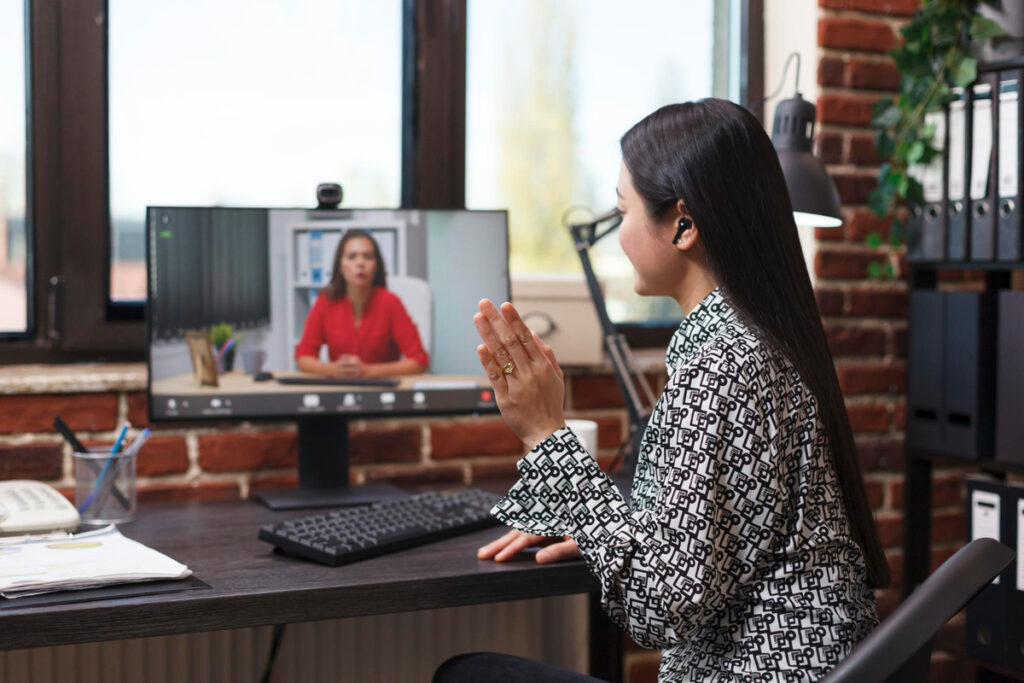
A virtual interview follows a simple yet structured process. First, the recruiter schedules the interview and sends the candidate a meeting link via email or the hiring portal. This link contains the date, time, and the platform being used for the interview.
On the day of the interview, both parties join the session using their devices. The recruiter conducts the interview much like a face-to-face conversation, asking questions and assessing the responses. If it’s a pre-recorded interview, the candidate is given a set of questions and must record answers within a specific time limit.
Companies have several reasons for shifting to virtual interviews. One major factor is cost reduction. Online interviews eliminate travel expenses, lodging costs, and venue bookings, making the hiring process more budget-friendly.
Speed is another big advantage. Scheduling becomes easier, and decisions can be made faster since interviews can be slotted back-to-back without physical logistics.
Virtual interviews also allow companies to reach a wider talent pool. Recruiters are no longer restricted to local applicants—they can now hire from different cities, states, or even countries. This opens doors to more diverse talent and better fit for specialized roles.
To fully understand the virtual interview meaning, it’s important to explore the various formats used by companies today. Each type offers a different approach to remote hiring and serves unique purposes based on the job role, company size, and hiring stage.
One of the most common formats under the umbrella of virtual interviews, live video interviews take place in real-time using platforms like Zoom, Google Meet, or Microsoft Teams. The recruiter and the candidate interact face-to-face through video, simulating a traditional in-person interview. This type of interview allows for immediate feedback, follow-up questions, and dynamic conversation—making it ideal for assessing communication skills, confidence, and presence. When exploring virtual interview meaning, this format is often the first that comes to mind.
Also known as asynchronous interviews, pre-recorded interviews allow candidates to record answers to a set of predefined questions. These responses are submitted to the hiring team for review at their convenience. This format is especially useful when screening a high volume of applicants, as it saves time and enables standardization. In understanding the virtual interview meaning, this type reflects the growing need for flexibility and efficiency in the hiring process.
Artificial intelligence has added a new layer to the virtual interview meaning. AI-enhanced interviews use machine learning to analyze candidates’ facial expressions, speech patterns, tone of voice, and even keyword usage. These interviews may be either live or pre-recorded. The AI provides insights or scores that assist recruiters in making more objective decisions. While still debated for fairness, this format is becoming increasingly common in large-scale hiring processes.
Panel interviews involve multiple interviewers joining the same virtual meeting with one candidate. This format is often used for senior roles or positions that require cross-department collaboration. Each panelist may focus on a different aspect of the candidate’s profile—such as technical skills, team fit, or leadership qualities. When grasping the virtual interview meaning, panel interviews showcase how remote tools can still support collaborative evaluation.
For roles in IT, engineering, design, or data science, virtual interviews often include live coding tasks, design evaluations, or screen-sharing to solve real-time problems. These task-based sessions demonstrate how the virtual interview meaning goes beyond just talking—it can also include doing, building, and showcasing your work remotely.

Virtual interviews have rapidly become a preferred method for modern hiring—and for good reason. They offer a range of benefits that streamline the recruitment process for both employers and candidates. The shift to remote interviews isn’t just about necessity; it’s about efficiency, accessibility, and adaptability.
One of the most significant advantages is convenience. Candidates no longer need to travel to an office, take time off work, or navigate traffic and unfamiliar locations. Everything can be handled from the comfort of their own space. Interviewers, on the other hand, can manage multiple interviews in a day without stepping away from their desks.
This saves considerable time for both parties. With digital scheduling tools and calendar integrations, interviews can be arranged quickly—even across different time zones—speeding up the entire hiring process.
From a financial perspective, virtual interviews dramatically cut down costs. For companies, there’s no need to book meeting rooms, arrange for hospitality, or reimburse travel expenses for out-of-town candidates. For candidates, the financial burden of travel, food, or lodging is completely eliminated. Understanding the virtual interview meaning includes recognizing how it supports budget-conscious recruitment without compromising quality.
Startups, small businesses, and nonprofits especially benefit from the affordability of virtual interviews, allowing them to access high-quality talent without increasing operational expenses.
Remote interviews help level the playing field by making job opportunities more accessible to a wider range of candidates. Those with mobility challenges, family responsibilities, or who live in remote or rural areas can participate without the added stress of traveling.
This format opens doors for a more diverse talent pool, allowing organizations to attract and engage individuals from varied backgrounds, cultures, and regions. It promotes equity and helps build more inclusive teams.
Digital platforms often allow for interviews to be recorded, with the candidate’s permission. These recordings are valuable for hiring managers who may want to revisit specific responses or share the interview with other team members for collaborative evaluation.
This not only supports more objective decision-making but also ensures that important details aren’t missed during fast-paced conversations.
Virtual interviews come in different formats, including live video calls, pre-recorded responses, and task-based assessments. This flexibility allows companies to customize their hiring process according to the role and stage of recruitment.It’s not a one-size-fits-all approach—each format serves a unique purpose.
For example, pre-recorded interviews can be used to screen a high volume of applicants quickly, while live sessions can be reserved for more advanced stages. Technical roles may also involve screen sharing or coding assessments to test real-time problem-solving skills.
Companies that provide a smooth, well-organized online interview experience leave a strong impression on candidates. It shows that the organization is modern, tech-savvy, and respectful of applicants’ time and comfort.
A positive candidate experience during the interview process can boost the company’s reputation, making it more attractive to top talent. It also increases the likelihood of candidates accepting job offers and referring others to apply.
Virtual interviews ensure that hiring doesn’t stop when unexpected events occur. During the COVID-19 pandemic, organizations that understood the virtual interview meaning and adopted it early continued to fill critical positions while others struggled to adapt. Even in situations like natural disasters, civil unrest, or global conflicts, virtual interviews allow hiring processes to continue uninterrupted.
The virtual interview meaning extends beyond just replacing face-to-face meetings with video calls. It represents a smarter, more efficient, inclusive, and flexible way to hire talent in today’s competitive job market. For both employers and job seekers, embracing virtual interviews offers significant advantages—from saving time and money to promoting accessibility and better decision-making. As remote work and global hiring trends continue to grow, the benefits of virtual interviews will only become more evident and widespread.

Despite the convenience, virtual interviews come with their own set of challenges. One major issue is technical difficulty. Poor internet connection, malfunctioning microphones, or software glitches can disrupt the flow of conversation and affect the outcome unfairly. Another challenge is the lack of non-verbal cues. In-person interviews allow recruiters to observe body language, facial expressions, and energy levels more accurately. These subtle signs can get lost on camera.
Candidates may also find it hard to build rapport online, especially if they’re not used to speaking on video calls. And there’s always the risk of distractions—background noise, interruptions, or a messy environment—impacting the candidate’s performance.Additionally, some candidates face a digital divide. Not everyone has access to high-speed internet, a good camera, or a quiet space to attend interviews, which can create inequality.
To conduct a successful virtual interview, the following tools are commonly used:
Both candidates and recruiters should ensure these tools are tested and functioning before the interview to avoid last-minute hiccups.
Read More: Phone interview Questions
Being remote doesn’t mean being casual. Follow proper etiquette to create a professional impression.
Once the virtual interview ends, send a follow-up email thanking the interviewer for their time. Mention something specific from the conversation to show genuine interest. If you’re waiting for a response, follow up politely after 7-10 days if you haven’t heard back.
Avoiding these mistakes can help you stand out for the right reasons.

While both formats aim to assess the same qualities, virtual interviews offer flexibility and accessibility. In-person interviews allow for better rapport-building and observation of non-verbal communication. However, virtual interviews often speed up the hiring process and are more scalable, especially when hiring across geographies.
The concept of virtual interviews is rapidly evolving. In the coming years, we can expect:
As remote work becomes the norm, virtual interviews will become more structured, intelligent, and accessible to everyone.
Mastering virtual interviews is vital for job seekers in today’s hiring process. By understanding what is expected in digital communication, preparing your space, and practicing clear and confident responses, you can make a strong impression, no matter where you are. In 2025, employers look for candidates who show adaptability, professionalism, and comfort with technology in virtual interviews.
Remember, success in a virtual interview involves more than just the technical setup. It’s about building rapport, showcasing your skills, and engaging genuinely through the screen. Stay updated on the latest platforms, seek feedback after each interview, and keep refining your approach. With preparation and a proactive mindset, you can turn virtual interviews into valuable chances for career growth in today’s connected world.

Preparation involves both technical and personal readiness. Test your internet connection, camera, and microphone in advance. Choose a quiet, well-lit space. Keep necessary documents, notes, and a copy of your resume nearby.
Practice answers to common questions using the STAR method: Situation, Task, Action, Result. Dress professionally. Maintain eye contact through the camera and remove distractions to make a strong impression.
The two common types are live video interviews and recorded video interviews. Live interviews occur in real time on platforms like Zoom, Google Meet, or Microsoft Teams.
Recorded interviews require candidates to respond to set questions on camera, and hiring managers watch these later. Both formats assess communication, confidence, and how well you adjust to digital platforms.
After the interview, hiring managers usually review performance and compare candidates. The process may include extra rounds, such as technical tasks, HR discussions, or panel interviews.
It’s a good idea to send a thank-you email within 24 hours. This shows professionalism, emphasizes interest, and keeps you fresh in the interviewer’s mind.
Dress the same way you would for an in-person interview. Based on the role and company, choose formal or business casual clothes. Avoid bright patterns or distracting accessories because cameras can make them stand out.
Neutral colors and tidy grooming are best. Dressing professionally creates a good impression and helps boost your confidence during the call.
Begin with a polite greeting and a confident smile. Clearly state your name, educational background, and current role or experience.
Keep it brief, lasting 1 to 2 minutes. Highlight the skills that relate to the job. A strong self-introduction sets the tone and shows you are well-prepared.
Frame your answer by matching your skills, experience, and values with the company’s needs. Highlight specific achievements with metrics, such as “I improved client satisfaction scores by 20%.”
Emphasize your problem-solving skills, quick adaptability, and contributions to team success. Always link your strengths to how they will help the organization.