

A resume heading, or header, is the area of your resume located at the top. It contains your name, professional title or desired position, and necessary contact information, which acts as an introduction and “business card” to identify you and also allow employers to find you to interview. The heading may also include optional items like your location, professional website, or a link to your LinkedIn profile.
A good resume is vital for a successful job application, and the most important part is the resume heading. Hiring managers first see this, setting the tone for the whole document. The resume heading is like the introduction. It should grab the hiring manager’s attention and show that you are organized and professional.
A strong first impression can decide whether the recruiter looks at your application or chooses someone else. By providing clear and concise information here, you show that you are serious about the job and value the recruiter’s time.
Use a clean, modern font and ensure everything is aligned the same way to avoid a messy look. Depending on your style, you can centre or left-align the heading. Leave some space around it for better readability and a nice look. Keep this area simple and free of errors. This blog will provide step-by-step guidance on writing an effective and professional resume heading.
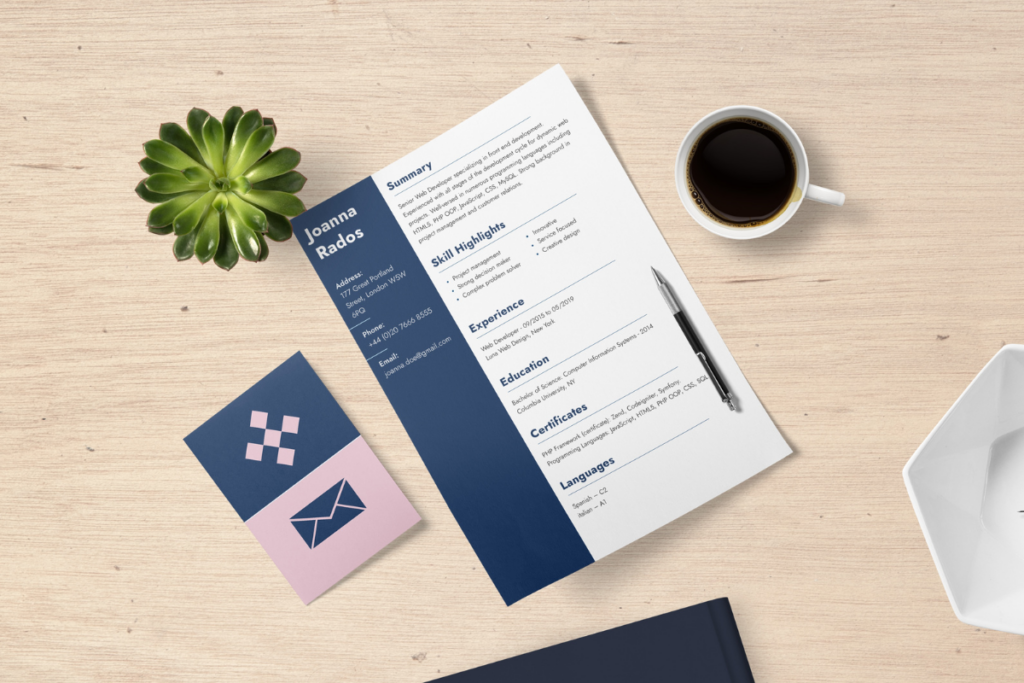
The header of your resume is the initial introduction to your professional brand for hiring managers. It should include your name, contact details, links, and professional title or certification. The header must be clear, concise, and easily readable, allowing recruiters to quickly identify you. Positioned at the top, center, or in a vertical column, it emphasizes your name and sets the tone and professionalism for the rest of your resume.
The visual layout of your resume is likely to be dictated by the design alone. The look of your resume will be determined by how you design your resume and your formatting of the header and sections. The purpose of your resume header is to aid hiring managers or the Applicant Tracking System (ATS) process in scanning. Hiring managers and recruiting personnel might be inclined to rely upon your resume header to identify whether you have the essential competencies they are looking for in the ideal candidate.
Hiring managers and recruiters may reject resumes without first a header or header style. The average hiring manager trusts that he or she can scan a resume in about 10 seconds. So, they have limited time to glean information from your resume. If you do not have concise header usage and well-defined formatting, hiring managers or an ATS will find it difficult to understand your professional goals, and this puts you at a disadvantage about obtaining the job. This will increase your chances of getting an interview
When writing a resume, every detail matters, especially the resume heading. This is not just a formal start; it is the first impression of your qualifications. A good resume heading quickly shows essential contact information and shows that you are professional and detail-oriented, which employers value.
A simple and clean resume heading shows that you are reliable and capable, indicating that you know how to present yourself well. The resume heading also adds clarity and organization. When your heading is set up correctly, the hiring manager knows exactly where to find your name and contact information. This shows your attention to detail and that you took the time to organize your resume well.
People often mix up a resume heading with sections like an objective statement, but they have different purposes. The resume heading includes your contact information, while the objective statement explains your career goals and what you hope to achieve in the job you are applying for. The resume heading provides the recipient with a precise professional title and clear identification of the applicant, laying the foundation for the rest of the resume.
The recruiter will first see your resume heading, so it needs to grab attention. Here are the key elements to add to your resume:
To showcase your identity, write your name in a slightly larger font. Next to your name, include your contact information, phone number and a professional email address. Avoid using inappropriate or unprofessional email addresses, and keep them simple and neat. Here is an example of a professional email and an unprofessional one.
Additionally, highlight your current professional or job-specific title relevant to your target role to inform recruiters about your area of expertise. If you are applying for a job in a different field, use a title that matches the job you want (like “Aspiring Data Analyst” or “Entry-Level Graphic Designer”). This shows you are serious about the new job.
The title should complement the rest of your resume, including the summary and work experience. Avoid long phrases. Use short and clear titles that match the job description. The title should tell people who you are, what you do, and your skills (like “Certified Project Manager” or “Sales Professional with 5+ Years of Experience”).
You can add a link to your LinkedIn profile or an online portfolio to improve your resume heading. These links help employers see your work and connections. If you have a personal website that shows your skills or achievements, include its address. Make sure the links work well or are easy to copy. Add links related to the job to keep it professional and avoid adding unrelated links. However, to maintain professionalism and avoid including unrelated or disconnected links, limit these additions to elements directly relevant to the role.
Instead of overloading your resume with unnecessary details, take a step back. Avoid including personal details such as your full address or other irrelevant information that does not align with the job’s requirements like Your relationship status, religion, hobbies that aren’t related, like “Fishing” or “Playing Video Games,” job experiences that don’t fit like listing “Bartender” when applying for finance or IT jobs without showing relevant skills, and salary expectations, etc. Such elements clutter the header and detract from its purpose.
Good formatting makes your document clear and easy to read. A clear resume header template shows you are professional and helps recruiters find important information quickly, which is essential for your resume.

The resume header introduces your professional identity and shapes the impression hiring managers form about your application. A strategic resume header, tailored to your career goals, can significantly influence the success of your job search.
A clean, minimalist style with a clear typeface, simple layout, and precise information is ideal in business roles like finance and administration. For creative fields such as design and advertising, headers can be more personalized, featuring unique typefaces or subtle design elements. A straightforward header focusing on text and functionality works best in technical fields like IT and engineering. Let’s explore some resume header examples.
Here are industry-specific modified examples to illustrate how resume headers can differ in various fields. Let’s take a look at this resume heading example.
To simplify creating a resume header, you can use resume heading example templates that are easily customisable to fit your needs.
Using these resume header templates allows you to craft a resume header that effectively represents your professional identity and draws the attention of recruiters. Remember, a resume header is more than just an introductory element—it’s a branding opportunity that can help you stand out in a competitive job market.
When creating your resume, the heading is the first element employers notice. It is essential to understand what should be included in the header section of a resume. Some of the common mistakes are:
A clean, straightforward design conveys fluidity and professionalism, thus ensuring maximum readability. Choosing the right headers for resume can significantly enhance its clarity and appeal to hiring managers. Avoid including overly long information in your header, such as multiple email addresses or an excessively detailed job title, as this can diminish its impact. Since the recruiter’s first glance often determines their initial impression, ensure your header is concise and draws attention to the most relevant information.
A well-formatted resume heading is the first direct step in leaving a lasting impression on a company or individual. It adds a professional look to your application by showing your name and contact information and showing that you care about how you present yourself. A neat heading tells employers you are serious and understand the importance of being professional in communication.
Using a resume heading sample or templates for resume headings makes it easier to write one. These examples can inspire you and help your resume meet industry standards while showing individuality. With a proper heading, you can spend less time on this part and focus on customizing the rest of your resume for the job you want.
It adds a professional touch to your application by displaying your name and contact details and demonstrating that you understand the importance of presentation. A polished heading signals to employers that you are committed and recognize the significance of professionalism in all forms of communication. Ensure your resume is optimized for ATS by using relevant keywords and clear formatting to increase your chances of getting noticed by recruiters.
Read More:
Your full name, phone number, professional email address, and location (city and state) should be included in your resume heading. Depending on the job position, you may add links to your LinkedIn profile, portfolio, or personal website. The format should be neat, professional, and easily readable.
You can enhance your resume header for creative positions by incorporating stylistic elements such as different fonts, colours, or design accents to showcase your creativity. However, ensure that these elements do not compromise the clarity or readability of the header. Include links to your portfolio and social media profiles highlighting the skills you showcase to recruiters. Be creative, but maintain professionalism to ensure the header is easily read and visually appealing.
To create a resume header in Microsoft Word, select “Insert” and “Header.” Choose a simple template, then input your information (e.g., name, contact info, etc.). Use the text and space formatting options to achieve a sleek, professional look. You can also add some visual appeal by using text boxes or shapes while ensuring the overall result remains professional.
Yes, adding your LinkedIn profile to your resume heading is a great idea, especially if it is complete and aligns with your application. Customising your LinkedIn URL can bring a touch of personality and professionalism to your resume. However, be mindful that it is not guaranteed to have a significant impact unless your profile is optimised.
To keep your resume heading neat, only include essential details. Ensure that your email and phone number are up-to-date, and your email address is professional. Double-check for any typos. Pay attention to font choice and element alignment, as these are crucial for readability.
The best way to think of the resume heading and summary for freshers is that it is the upper portion of your resume where you will provide your introduction to whomever is reading your resume in a clear and concise way.
The heading will have details about your name, contact information, social media links (if any), or portfolio link (if any).
The summary can be a brief section of 2–4 lines that will highlight your educational background, professional goals, professional competencies, and willingness to learn.
Yes, tailoring your resume title to match the keywords and requirements of the job increases your chances of passing ATS (Applicant Tracking Systems) and catching a recruiter’s eye.
Yes, it’s helpful to mention your career focus, especially when applying for entry-level roles, as it shows clarity and purpose.
Using vague terms like “Hardworking Fresher” or “Looking for a Job”
Making it too long or generic
Missing industry keywords relevant to the role
It should be placed at the top of your resume, just below your name and contact details, for maximum visibility.