

Have you ever wondered how to become a lawyer in India?
According to recent statistics, the legal profession in India is thriving, with over 1.4 million registered lawyers nationwide. If you have a passion for justice and a desire to advocate for others, the legal profession might be the perfect fit for you.
Dreaming of a career where you can stand up for justice, solve tough problems, and truly make a difference? Becoming a lawyer in India is a respected and dynamic choice. It offers mental challenges, good pay, and the chance to impact society. With the legal field changing quickly in 2025, future lawyers need the right qualifications, skills, and hands-on experience to succeed. This guide takes you through the journey step by step—from education and exams to internships and specialization—so you can confidently work towards your goal of becoming a successful lawyer.
|
Industry type |
Law, Legal Profession |
Eligibility Criteria to enroll for College |
10+2 (any stream) with a minimum of 60% aggregate marks |
|
Qualify law entrance exams | Common Law Admission Test (CLAT), All India Law Entrance Test (AILET), and other state-level exams |
|
Admission Process |
Based on merit and performance in law entrance exams |
|
Specializations |
Civil, Criminal, Corporate, Tax, Intellectual Property, Family Law, Environmental Law, and more |
|
Average Starting Salary |
INR 4-6 lakhs per annum |
|
Highest Salary |
INR 80 lakhs to 1 crore per annum |
|
Job Opportunities |
Lawyer, Judge, Legal Advisor, Corporate Lawyer, Criminal Lawyer, Family Lawyer, and more |
Lawyers are legal professionals trained and licensed to provide advice and representation in legal matters. Beyond their courtroom appearances, lawyers play a vital role in upholding justice, protecting rights, and ensuring compliance with the law. They possess in-depth knowledge of legal principles and procedures, enabling them to guide clients through complex legal processes and provide expert advice.
Advocacy is a central aspect of a lawyer’s work. They act as champions for their clients, working tirelessly to protect their rights and ensure fair treatment under the law. Lawyers also contribute to the development of legal precedents and the interpretation of laws through their legal analysis and arguments.
By fulfilling these responsibilities, lawyers help resolve conflicts, provide legal guidance, and maintain the integrity of the legal system. Their expertise and dedication to justice make them indispensable in safeguarding the rights and liberties of individuals, organizations, and entities.
Read more: Difference Between Lawyer and Advocate
To become a Lawyer, you need to fulfil the following requirements:
Additionally, to practice law in the Supreme Court and certain High Courts, you may need to appear for an examination conducted by the respective courts.
Becoming a lawyer in India is a rewarding career path that requires dedication, education, and practical experience. Here’s a stepwise process to guide you through the journey of becoming a lawyer in India:
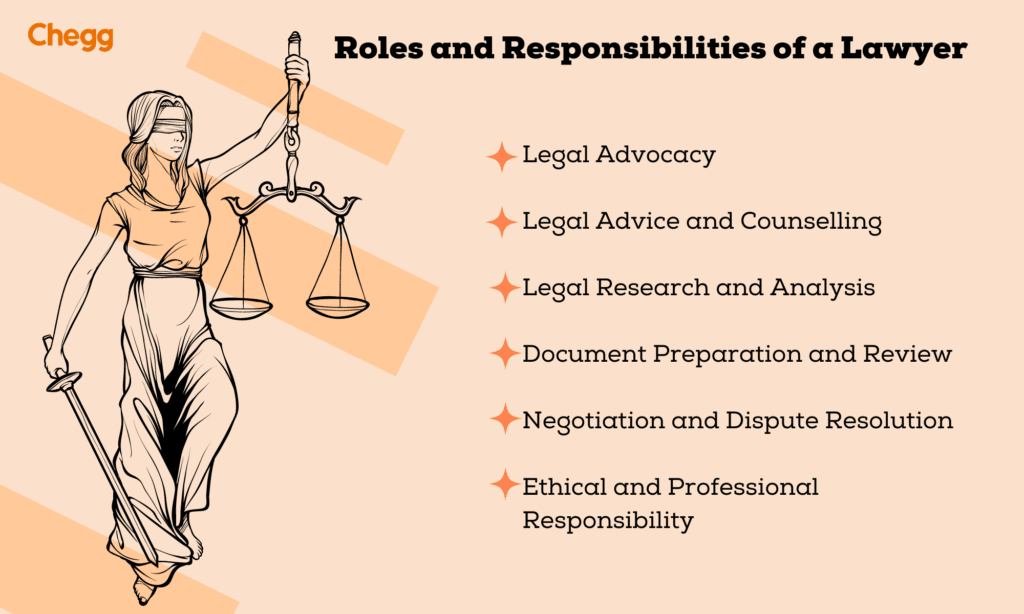
Lawyers apply their legal expertise to guide clients through various legal issues. Their responsibilities vary based on their specialization, but common duties include:
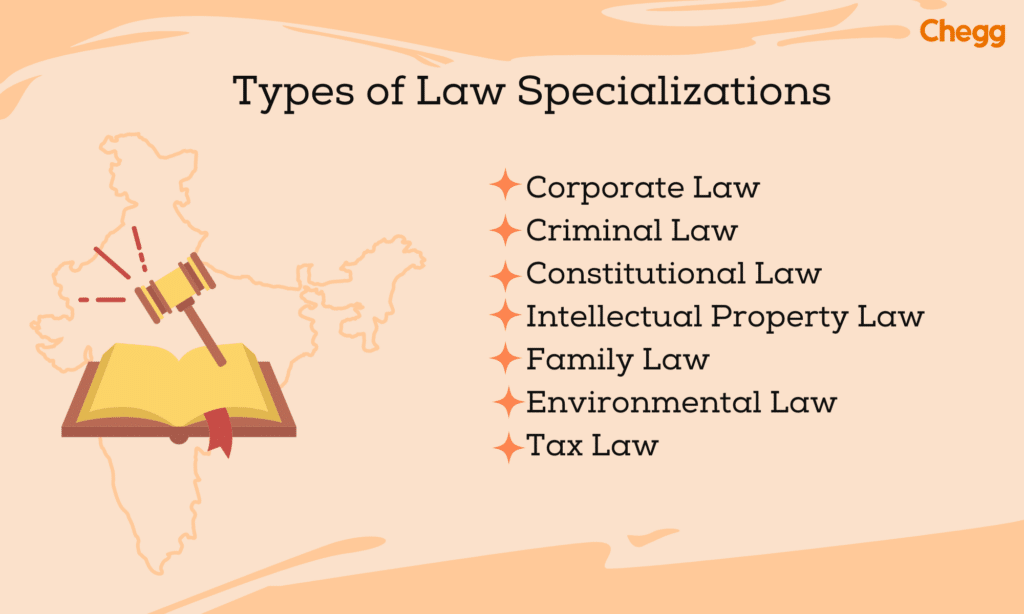
Lawyers specialize in various fields based on their interests and expertise. While some focus on litigation, others opt for corporate or regulatory law. Here are some of the most popular law specializations:
To become a lawyer in India, several qualifications and educational pathways are available. Here are the Lawyer course:
Recommended Read: All You Need to Know about LLM Course in India
By pursuing an LLB or integrated BA LLB program, individuals can acquire the foundational legal education required to become a lawyer in India. Those seeking specialization can pursue an LLM degree to deepen their expertise. Each qualification pathway has its own duration, admission process, and eligibility criteria. Choosing the right qualification depends on individual preferences and career goals.

|
Law College |
Fees (Approx.) |
Duration |
Rankings |
Courses Offered |
National Law School of India University |
₹1,60,000/year |
5 years |
Rank 1 (NIRF) |
BA LLB, LLM, PhD |
|
National Law University, Delhi |
₹2,15,000/year |
5 years |
Rank 2 (NIRF) |
BA LLB, LLM, PhD |
|
NALSAR University of Law |
₹1,70,000/year |
5 years |
Rank 3 (NIRF) |
BA LLB, LLM, PhD |
|
Symbiosis Law School |
₹2,25,000/year |
5 years |
Rank 8 (NIRF) |
BA LLB, BBA LLB, LLM, PhD |
|
Jindal Global Law School |
₹5,25,000/year |
5 years |
Rank 9 (NIRF) |
BA LLB, BBA LLB, LLM, PhD |
|
Gujarat National Law University |
₹2,75,000/year |
5 years |
Rank 12 (NIRF) |
BA LLB, BCom LLB, BSc LLB, LLM, PhD |
|
National Law Institute University, Bhopal |
₹2,45,000/year |
5 years |
Rank 14 (NIRF) |
BA LLB, LLM, PhD |
|
West Bengal National University of Juridical Sciences |
₹1,80,000/year |
5 years |
Rank 15 (NIRF) |
BA LLB, BSc LLB, LLM, PhD |
|
National Law University, Jodhpur |
₹1,66,000/year |
5 years |
– |
BA LLB, BBA LLB, LLM, PhD |
|
Rajiv Gandhi National University of Law |
₹2,10,000/year |
5 years |
– |
BA LLB, BCom LLB, BSc LLB, LLM, PhD |
|
Dr. Ram Manohar Lohiya National Law University |
₹1,55,000/year |
5 years |
– |
BA LLB, BSc LLB, LLM, PhD |
|
National University of Advanced Legal Studies |
₹1,90,000/year |
5 years |
– |
BA LLB, BCom LLB, BBA LLB, LLM, PhD |
|
National Law University and Judicial Academy, Assam |
₹1,20,000/year |
5 years |
– |
BA LLB, BSc LLB, LLM, PhD |
|
Hidayatullah National Law University |
₹2,30,000/year |
5 years |
– |
BA LLB, LLM, PhD |
|
National Law University, Odisha |
₹2,20,000/year |
5 years |
– |
BA LLB, LLM, PhD |
|
Career Prospects |
Job Roles and Responsibilities |
Average Annual Salary (in INR) |
|
Corporate Lawyer |
Legal advice, contracts, mergers and acquisitions |
6-10 lakhs |
|
Litigation Lawyer |
Representing clients in courts, legal research |
3-8 lakhs |
|
Criminal Lawyer |
Defending accused, investigations, trial representation |
4-9 lakhs |
|
Intellectual Property (IP) Lawyer |
IP advice, filings, infringement cases |
5-12 lakhs |
|
Family Lawyer |
Family legal matters, divorce, child custody |
3-7 lakhs |
Read more about the Salary of Corporate Lawyers in India.
Choosing to become a lawyer in India is a challenging and rewarding journey. By earning the right degrees, passing entrance exams, and gaining real-world experience through internships, you will build a strong foundation for a fulfilling legal career. Keep learning, stay updated on legal trends, and develop your analytical and communication skills. In 2025 and beyond, dedicated lawyers will continue to be in demand across courts, corporations, and public service.
Unleash your legal career potential with our comprehensive Career Advice section, thoughtfully curated to provide valuable insights and guidance for aspiring lawyers in India.
To practice law, you must first complete a law degree (LLB) after either 12th, or graduation level, then you must clear the All India Bar Examination (AIBE) in order to practice.
Take for example a student that takes the 5-year BA LLB law degree course after 12th level, clears AIBE, and then begins to practice law in court.
Helpful Tip: Start early on skills for communication, research, and reasoning as they are as important, if not more so than the law degree you complete.
The salary of a lawyer in India can be from ₹3–6 LPA for freshers, while experienced lawyers in top firms or independent practice are usuallyeeee earning between ₹10 LPA and also crores depending on expertise.
For example: When a fresher starts in a law firm (now) they would get between ₹30,000 and ₹50,000 monthly (ex. ₹4-5 LPA), while senior advocates in the High Courts or Supreme Court are earning substantially higher.
TIP: If you want to make more money, consider specializing in areas like corporate law, IPR (intellectual property law), and/or cyber law.
It’s 5 years if you decide on a BA LLB after the 12th grade, or 3 years if you do an LLB after graduation.
Example: A student enrolled in the 5-year integrated BA LLB course after the 12th grade (they are now a lawyer having cleared the Bar).
Tip – If you know you are going to do law early, take the 5-year integrated course; if you are not sure, then consider the lower risk of studying a 3-year LLB after a graduation.
Choosing a BA LLB after 12th will take 5 years to attain, whereas if you chose to complete an LLB after graduation it will take 3 years.
Example: A student enters a 5-year integrated BA LLB after 12th, and becomes a lawyer after passing the Bar exam.
Tip: If you are confident on law from the outset and are certain, take the 5-year course. If you are not sure, select an LLB after graduation (3 years).
Both accounting and law can yield good incomes but typically CAs earn more at the start (₹7–10 LPA) while lawyers earn less (₹3–6 LPA) but have room to grow to similar levels over time. The top-earning lawyers can also earn much more.
Example: A CA in a Big 4 firm may earn ₹12 LPA compared to senior lawyer in corporate law or a senior lawyer in the Supreme Court receiving several crores annually.
Tip: If you are looking for a stable income fast, CA is easier to achieve when compared to law. In terms of long term earnings potential and prestige, law has more upside.
There is no cap in any minimum age limit to become or practice as a lawyer in India there is no need to be concerned about pursuing law when you are young or old.
Example: An executive changes career at 35 years old, completes LLB, clears Bar exam and starts their journey as a lawyer.
Tip: Look out for practical exposure through internships and moot courts, no matter what age, it builds a solid start in your career.