
Summary
- "Content moderation solutions" covers a real spectrum, from pure automated software to a fully managed, human-backed service, and most platforms need somewhere in between, not one extreme.
- Software is fast, cheap and consistent on clear-cut, rule-based cases at scale; it's the ambiguous, context-dependent ones, sarcasm, cultural nuance, borderline harassment, where it reliably breaks down.
- A managed service's real value isn't extra headcount, it's a review and escalation layer that handles exactly the cases software gets wrong, plus the appeals path regulation increasingly requires.
- The EU's Digital Services Act requires a genuine human review and appeals path for content decisions, something pure software cannot satisfy on its own regardless of how accurate its filters are.
- The right question isn't "software or service", it's what share of your actual moderation queue is ambiguous enough to need a human, and whether your regulatory exposure requires an appeals path at all.
Any platform that lets people post content eventually runs into the same problem: something harmful, spammy, or against policy gets posted, and someone or something has to catch it before it causes real damage. That catching step is what content moderation solutions exist to do, review incoming content and decide what stays up, what comes down, and what needs a closer look. The part most buyers get wrong isn’t whether to moderate, it’s how: lean too hard on automated software and you’ll miss the judgement calls it was never built to make; lean too hard on manual review and you’ll pay for reviewer capacity your actual queue doesn’t need.
Search “content moderation solutions” and the results split cleanly into two camps that rarely talk to each other: pure software platforms selling automated filters and classifiers, and managed-service vendors selling trained human reviewers. Most buyer research treats this as a binary choice. It isn’t one.
This article covers what each half of “content moderation solutions” actually does well, where each one reliably breaks down, and a real framework for working out which combination your platform actually needs, not a vendor comparison list.
What “content moderation solutions” actually covers
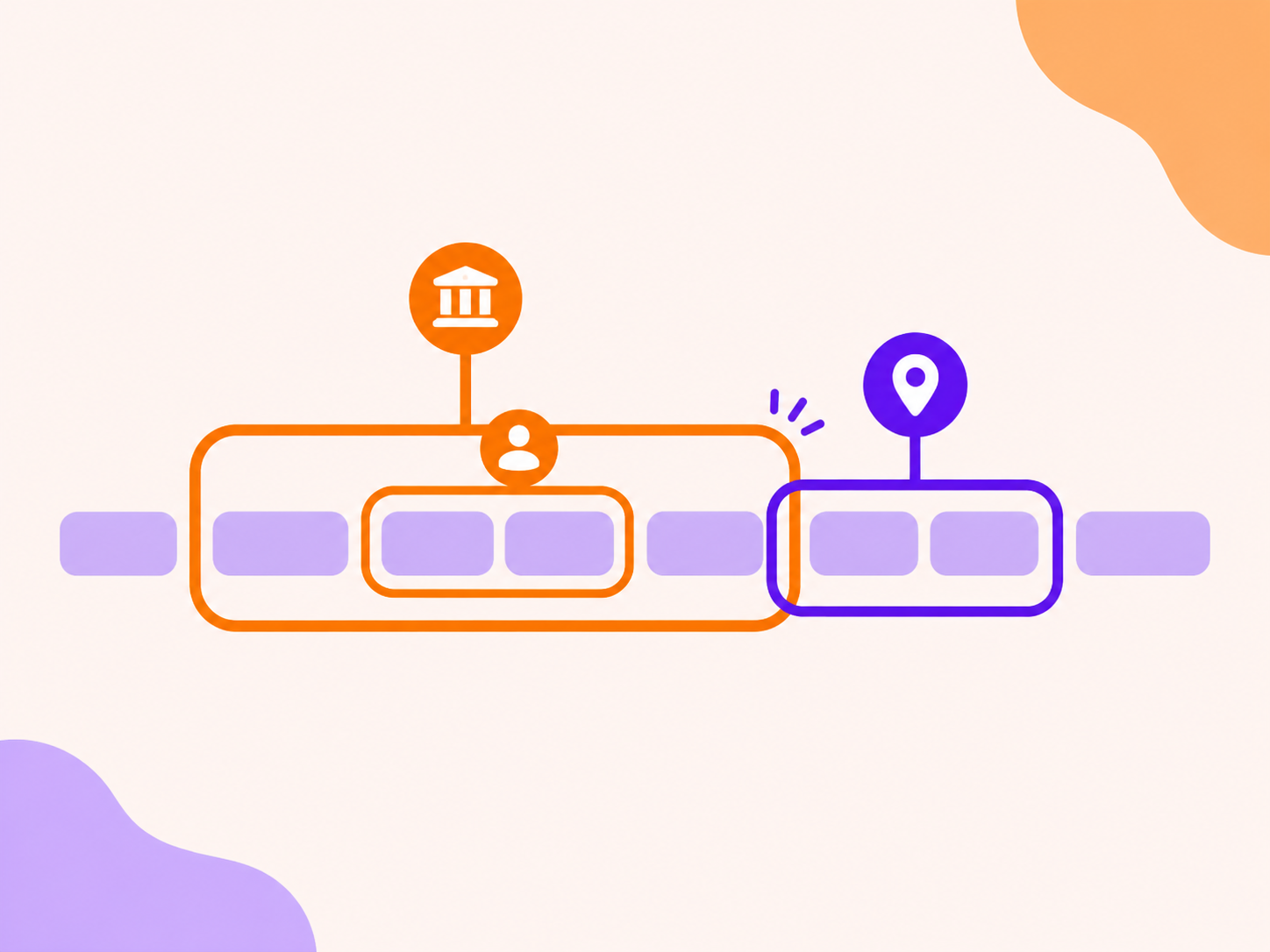
The phrase covers a genuine spectrum within content moderation, not a single product category. At one end sit pure software platforms: automated classifiers, keyword and image filters, and machine-learning models that score content and act on it with no person in the loop. At the other end sit fully managed services: trained human reviewers working against a written policy, with escalation paths, quality checks and an appeals process built in. Most real deployments sit somewhere between the two, software doing the first pass at scale, a human layer handling what the software can’t resolve on its own.
That distinction matters because the two halves solve genuinely different problems. Software solves a throughput problem: millions of posts, images and comments arriving faster than any human team could read them. A managed service solves a judgement problem: the share of that volume where the right call depends on context, intent or cultural nuance that a classifier wasn’t trained to weigh. Treating “content moderation solutions” as a single purchase decision skips past the fact that these are two different tools solving two different parts of the same job.
What content moderation software does well, and where it stops
Content moderation software is genuinely good at exactly what it’s built for: applying a consistent rule to enormous volume, instantly, at a cost per item that no human team can match. A keyword filter catching a banned term, an image classifier flagging known CSAM hashes, a spam model catching a bot-generated comment pattern, these are clean, rule-based decisions where software’s consistency is an advantage, not a limitation. For that share of the queue, software isn’t a compromise version of human review, it’s the better tool outright.
The same holds for a handful of other rule-based categories that look more complex on the surface but resolve the same clean way: hash matching against a known database of illegal images, duplicate and near-duplicate detection across a flood of reposted spam, and rate limiting that catches an account posting far faster than a real person physically could. None of these need judgement about intent or context, they need speed and consistency applied to a pattern that’s already well defined, which is exactly the job software does better than a person ever could at the same volume.
The share that stops being clean is larger than most software vendors’ marketing pages suggest. A widely cited analysis of AI content moderation at scale makes the case directly: automated systems are reliably good at catching content that matches a known, stable pattern, and reliably unreliable at the cases that actually require judgement, sarcasm read as sincerity, a reclaimed slur used differently by the community it originated in, a borderline joke that depends entirely on who’s making it and in what context. These aren’t edge cases in the dismissive sense; at real platform volume they’re a meaningful, recurring share of the queue, and they’re precisely the cases a classifier trained on pattern matching is structurally worst at.
Even trained human reviewers disagree with each other on exactly this kind of case. A 2026 study of over four million real moderation decisions found reviewers disagreeing roughly one time in seven, concentrated almost entirely in the genuinely ambiguous calls rather than spread evenly across the queue. If trained humans working from the same policy still split on these, a model trained to predict a single “correct” label from historical examples is working from an even thinner signal.
What a managed service actually adds
The value of a managed service isn’t simply “more people reading content”. It’s a structured review layer built specifically for the cases software reliably gets wrong: trained reviewers working from a policy document with worked examples, a defined escalation path for anything a reviewer isn’t confident calling alone, and a genuine appeals process for the person on the other end of a decision. Software can flag that a post needs a second look. Only a person can actually weigh the context a flag alone can’t capture.
This stops being optional once regulation enters the picture. The EU’s Digital Services Act requires platforms operating in the EU to provide a genuine human review and appeals path for content moderation decisions, a requirement pure software cannot satisfy on its own, regardless of how accurate its filters are, because the obligation is specifically for a person to be able to review and reverse an automated call. A platform relying on software alone in a regulated market isn’t choosing a cheaper option, it’s carrying a compliance gap.
That review layer is a direct case of a broader principle worth naming explicitly: keeping a person genuinely in the loop on exactly the calls a first-pass system gets wrong, not stationed somewhere in the process for its own sake.
That reviewer layer also carries a real cost a buyer comparing prices alone can miss. A 2023 study of commercial content moderators found regular exposure to severe material associated with trauma-like psychological symptoms comparable to other high-stress professions, which is exactly why a genuine managed service invests in reviewer rotation, caseload limits and support, rather than simply routing an unlimited volume of the worst content to whichever reviewer is available. A vendor quoting a rate with none of that built in isn’t offering a leaner version of the same service, they’re offering a different, riskier one.
How to tell which one you actually need
The useful question isn’t “software or service”, it’s what share of your actual queue needs which tool, and that’s answerable with four concrete checks rather than a vendor’s sales pitch:
- Ambiguity rate. Pull a real sample of your moderation queue, ideally a few hundred items spanning a normal week rather than a single busy day, and count what share of decisions a reasonable policy can’t resolve in one obvious read. If it’s a small single-digit percentage, software-led moderation with light human spot-checking may genuinely be enough. If it’s a meaningfully larger share, that’s the share a managed service’s review layer is actually priced to cover, not an arbitrary floor every vendor quotes regardless of the platform.
- Regulatory exposure. Operating in the EU, or any market with a comparable appeals requirement, means a documented human review path isn’t a nice-to-have, it’s a compliance requirement software alone can’t satisfy, and the obligation applies to the user base you serve, not the jurisdiction your company happens to be registered in.
- Language and market coverage. A classifier trained predominantly on English performs worse, often substantially worse, on other languages and regional slang, which pushes more of the queue into the “needs a human” category the moment a platform expands beyond its original market, well before volume alone would justify a managed service on its own.
- Consequence of a wrong call. A false positive on a product review costs little. A false positive on content involving a minor, a medical claim, or an election-related post carries real consequence, and that asymmetry alone is a reason to route more of that category through a human layer even if the raw ambiguity rate looks low across the queue as a whole.
None of these four point toward one universal answer, because the honest answer is almost always a mix: software doing the first pass at scale, a managed service’s review layer sized to the actual share of the queue that needs it, not an arbitrary fixed percentage carried over from a different platform’s numbers.
What the hybrid actually looks like in practice
In a working deployment, software scores every incoming item against its model and acts immediately on the clear cases at either end, auto-approving a confidently clean post, auto-removing a confidently violating one. Everything in between, anything the model scores below a defined confidence threshold, gets routed automatically to the human queue rather than defaulting to whichever action the model leans toward. A separate rule sits on top of the confidence threshold: certain categories, anything referencing self-harm, election content, or a minor, route to a human regardless of how confident the model is, because the cost of a wrong automated call in those categories is too high to leave to a score.
The human side of that handoff isn’t one undifferentiated queue either. A first-tier reviewer handles the routed cases against the written policy; a smaller senior tier handles appeals specifically, reviewing a decision a user has formally contested rather than a fresh item; and a sampling process pulls back a percentage of the software’s auto-approved content for spot review, not just the items it already flagged. That sampling step is the only reliable way to catch a model’s blind spots developing over time, the pattern a classifier was accurate on when it launched but has quietly drifted away from as real content and bad-actor behaviour evolve.
What tends to go wrong isn’t the architecture itself, it’s treating the human layer as overflow capacity for whenever software volume spikes, rather than a fixed structural routing decision. That produces inconsistent coverage: the ambiguous cases that happen to arrive during a quiet period get a careful review, the same category arriving during a traffic spike gets rushed or skipped. The other common failure is a thin handoff, passing a reviewer the raw content with no record of what triggered the flag, which means the reviewer re-does the triage step from scratch instead of starting from what the system already knows.
A quick example
Two platforms, same rough content volume. Platform A is a B2B SaaS product’s internal comment section: low stakes, narrow topic range, almost no regulatory exposure, and a queue where the overwhelming majority of flagged content is spam or an obvious policy breach with no real ambiguity attached. A software-only filter catching spam, profanity and known abuse patterns, with occasional human spot-checks, genuinely covers the queue. Buying a full managed service here would be paying for review capacity the actual ambiguity rate doesn’t need.
Platform B is a consumer social app with EU users, user-generated video, and a userbase spanning several languages and cultural contexts. A clip that reads as a dark joke in one regional context and a genuine threat in another is exactly the kind of item a classifier trained on aggregate patterns will misjudge in one direction or the other. The ambiguity rate is meaningfully higher, the regulatory appeals requirement is real, and the consequence of a wrong call, especially on content involving minors or health claims, is high. Software-only moderation here isn’t a cheaper version of the right solution, it’s a compliance and trust problem waiting to surface. This is exactly the queue a managed service’s review layer is built for.
What to ask any vendor, software or managed service
Whichever direction a platform leans, four questions cut through most vendor pitches faster than a feature comparison:
- What happens to the items your model scores as low-confidence? A software vendor who can’t answer this precisely is probably auto-actioning them anyway, which defeats the point of measuring confidence at all.
- Who reviews an appeal, and how fast? A managed-service vendor should be able to name the reviewer tier and a real turnaround time, not a vague commitment to “review all appeals promptly”.
- How is reviewer accuracy actually measured, and against what? A vendor that can’t produce a real agreement or accuracy figure, measured against an audited sample rather than their own self-reported numbers, is asking to be taken on trust.
- What’s the plan for drift? Ask specifically how often the software model is re-evaluated against fresh samples, and how often the human policy itself gets revisited as new content types emerge, since a day-one-accurate system without a re-check plan degrades quietly.
How Chegg approaches this
Chegg‘s content moderation work is built around this same split rather than treating it as a false choice: software handles first-pass triage at the volume only automation can realistically absorb, and a trained review layer handles exactly the ambiguous, context-dependent and regulated cases that layer exists for, with a genuine escalation and appeals path behind it, not just a second pair of eyes added for appearances.
That split is also the direct extension of a decision many platforms have already made: once outsourcing content moderation makes sense for at least part of the queue, this is the question that follows immediately after, software, managed service, or which mix of both actually matches the queue in front of them.
In practice that means the ambiguity-rate and regulatory checks above aren’t a one-time exercise before signing a contract, they’re revisited as a platform’s content mix, user base and markets change, since a split that was right at launch can stop being right a year later without anyone deciding to change it on purpose.
Key takeaways
- “Content moderation solutions” covers a real spectrum, from pure automated software to a fully managed, human-backed service, and most platforms need somewhere in between, not one extreme.
- Software is fast, cheap and consistent on clear-cut, rule-based cases at scale; it’s the ambiguous, context-dependent ones, sarcasm, cultural nuance, borderline harassment, where it reliably breaks down.
- A managed service’s real value isn’t extra headcount, it’s a review and escalation layer that handles exactly the cases software gets wrong, plus the appeals path regulation increasingly requires.
- The EU’s Digital Services Act requires a genuine human review and appeals path for content decisions, something pure software cannot satisfy on its own regardless of how accurate its filters are.
- The right question isn’t “software or service”, it’s what share of your actual moderation queue is ambiguous enough to need a human, and whether your regulatory exposure requires an appeals path at all.
FAQs
What’s the difference between content moderation software and a managed service?
Software is automated filtering and classification with no person in the loop, consistent and cheap at scale on clear-cut cases. A managed service adds trained human reviewers working to a written policy, with escalation and appeals built in, for the ambiguous cases software reliably gets wrong.
Can content moderation software alone handle everything?
For narrow, low-stakes, low-regulation platforms, often yes, close to it. Once a platform has real content ambiguity, regulatory exposure such as the EU’s Digital Services Act, or high-consequence categories like content involving minors, software alone leaves a real gap.
Why would a platform need a managed service instead of just better software?
Because the gap isn’t a software-quality problem, it’s a judgement problem. The cases software gets wrong are exactly the ones that depend on context, intent and cultural nuance a classifier wasn’t trained to weigh, not cases a more accurate model would necessarily fix.
Does content moderation software satisfy regulatory requirements like the EU’s Digital Services Act?
No, not on its own. The Digital Services Act specifically requires a genuine human review and appeals path for content decisions, an obligation that by definition needs a person, not an automated system, somewhere in the loop.
How much does content moderation software cost compared to a managed service?
Software is cheaper per item at scale, since there’s no reviewer time involved. The real cost comparison isn’t per-item price, it’s the cost of the cases a cheaper, software-only approach gets wrong, a trust, compliance or user-harm cost that doesn’t show up on the software invoice.
Can software and a managed service be used together?
Yes, and for most real platforms this is the actual answer rather than a compromise: software handles first-pass triage at volume, and a managed service’s review layer handles the share of the queue the software flags as uncertain or that falls into a high-consequence category.
How do I decide which content moderation solution my platform actually needs?
Pull a real sample of your queue and measure the ambiguity rate directly, check your regulatory exposure by market, and weigh the consequence of a wrong call in your highest-risk content categories. Those three numbers, not a vendor’s pitch, point to the right mix.
Does a hybrid approach cost more than software alone?
Per item processed, yes, since a human review layer costs more than pure automation. What that comparison leaves out is the cost of the cases software alone gets wrong, a wrongly removed post, a missed violation, or a compliance gap, none of which show up on the software vendor’s invoice but all of which carry a real cost of their own.