

A research scientist is a highly skilled professional dedicated to investigating and exploring complex scientific problems through structured experimentation, data analysis, and innovation. Working across diverse fields such as biotechnology, physics, environmental science, healthcare, and artificial intelligence, research scientists are the backbone of scientific advancement. Their primary role is to formulate hypotheses, conduct experiments, and analyze results to generate new knowledge or improve existing technologies. Whether working in academic institutions, government labs, or private industries, they contribute significantly to the global pool of scientific understanding and practical solutions.

In today’s fast-paced, technology-driven world, the importance of scientists has never been greater. From tackling global health crises and combating climate change to developing sustainable energy solutions and enhancing AI-driven technologies, research scientists are at the forefront of innovation. Their work not only pushes the boundaries of what’s possible but also directly impacts public policy, industry practices, and everyday life. As the demand for data-backed decisions and cutting-edge solutions rises, research scientists remain vital to shaping a smarter, healthier, and more sustainable future.
What do Research Scientists Do?
A research scientist conducts experiments, analyzes data, and advances knowledge in their field. They are categorized as experimental or theoretical, focusing on hypothesis development, data collection, and result interpretation.
How to Become Research Scientist
1. Complete Relevant Educational Qualifications
To become a research scientist in India, you must first pursue the right academic foundation. Typically, this begins with a Bachelor’s degree in a science-related field such as Physics, Chemistry, Biology, or Engineering. For advanced roles, a Master’s degree or Ph.D. is often mandatory, depending on your specialization. These research scientist qualifications are crucial to build your theoretical and technical expertise.
2. Choose the Right Courses
Enrolling in specialized research scientist courses helps deepen subject knowledge and practical skills. Popular options include M.Sc., M.Tech., or integrated Ph.D. programs in fields like Biotechnology, Data Science, Environmental Science, and Material Science. Institutes like IISc, IITs, and IISERs offer world-class programs aligned with global research standards.
3. Gain Research Experience Early On
Participating in research internships, assistantships, or fellowships during your postgraduate studies is highly beneficial. Engaging in projects under reputed scientists or institutions like DRDO, ISRO, CSIR, or BARC provides early exposure to real-world scientific investigation and helps build your profile as a scientist.
4. Clear Competitive Exams for Research Positions
Aspirants often need to clear national-level exams like CSIR-NET, GATE, ICMR-JRF, or DBT-JRF to qualify for funded research opportunities. These exams also serve as gateways to government research labs and Ph.D. programs, making them essential in your journey toward becoming a research scientist in India.
5. Pursue a Doctorate and Publish Research
Completing a Ph.D. in your chosen domain is often the final academic step toward a career as a research scientist. During this time, publishing your findings in reputed journals, presenting at conferences, and building a strong academic network further enhances your credibility and career prospects in research and development.

What kind of Jobs do Research Scientists Do
1. Biomedical Research Scientist
These professionals work on developing new drugs, vaccines, and medical treatments. They often collaborate with pharmaceutical companies and healthcare institutions to improve patient outcomes.
2. Agricultural Research Scientist
Focused on improving crop yield, soil health, and pest control methods, agricultural research scientists play a critical role in supporting India’s vast agrarian economy.
3. Environmental Research Scientist
These scientists study climate change, pollution levels, and ecological systems to develop sustainable environmental policies and conservation strategies.
4. Data Research Scientist
With the rise of big data and AI, data research scientists analyze complex datasets to create predictive models, optimize algorithms, and support tech innovation in industries like finance, retail, and healthcare.
5. Space Research Scientist
Working in organizations like ISRO, these professionals conduct space exploration missions, satellite development, and remote sensing analysis.
6. Chemical Research Scientist
Research scientists in this field work on developing new materials, industrial chemicals, and cleaner production processes for sectors like manufacturing, textiles, and energy.
7. Genomics and Biotechnology Scientist
These experts use molecular biology techniques to explore genes, engineer DNA, and create biotechnological solutions in medicine, agriculture, and forensic science.
8. Nuclear Research Scientist
Employed by institutions like BARC, nuclear research scientists study nuclear energy, radiation technologies, and atomic theory to support clean energy and national security.
9. Social Science Researcher
Research scientists in social sciences investigate societal trends, behavioral patterns, and public policy impacts using both qualitative and quantitative methods.
10. Research and Development (R&D) Scientist in Industry
Many research scientists work in private sectors such as IT, automobile, and FMCG companies, leading R&D efforts to create innovative products, improve efficiency, and enhance market competitiveness.
11. Pharmaceutical Research Scientist
These professionals are involved in drug discovery, clinical trials, and formulation development within pharmaceutical companies, ensuring medicines are safe and effective.
12. Materials Research Scientist
Research scientists in this field develop and test new materials like polymers, composites, and nanomaterials used in aerospace, electronics, and construction industries.
13. Forensic Research Scientist
Employed in crime labs and investigation agencies, forensic research scientists analyze physical evidence using scientific methods to assist in solving criminal cases.
14. Marine and Oceanographic Scientist
These scientists study ocean currents, marine ecosystems, and underwater geology, contributing to environmental preservation and maritime development.
15. Food Technology Research Scientist
Research scientists in food technology work on improving food processing, safety, and shelf life. They help develop nutritious and innovative food products.
16. Meteorological Scientist
These experts forecast weather, study climate trends, and contribute to disaster preparedness using data modeling and satellite imagery.
17. AI & Machine Learning Research Scientist
In the tech industry, research scientists working in AI/ML develop intelligent systems, recommendation engines, and natural language processing tools.
18. Renewable Energy Research Scientist
These professionals work on solar, wind, and bioenergy innovations. Research scientists in this field support India’s transition to sustainable energy sources.
19. Geological and Earth Scientist
They explore the Earth’s composition and structure, conduct mineral surveys, and help in natural resource management and earthquake risk assessment.
20. Psychological or Cognitive Research Scientist
These research scientists study brain function, behavior, learning patterns, and mental health, often working in academic or healthcare settings.
Skills Required to become a Research Scientist

1. Analytical Thinking
Research scientists must be able to break down complex problems, interpret data accurately, and draw meaningful conclusions from experiments.
2. Attention to Detail
Precision is crucial in scientific research. Small errors can lead to flawed results, making attention to detail a vital skill.
3. Critical Thinking
The ability to evaluate theories, question assumptions, and solve problems creatively is essential for scientific innovation.
4. Technical Expertise
Proficiency in lab techniques, scientific tools, and relevant software (like MATLAB, Python, R, etc.) is necessary depending on the field of research.
5. Communication Skills
Research scientists must be able to write research papers, prepare reports, and present their findings clearly to both technical and non-technical audiences.
6. Statistical and Data Analysis Skills
Understanding statistics and being able to interpret complex data sets is a core requirement, especially for experimental and data-driven research.
7. Project Management
Managing timelines, resources, and team collaboration efficiently is important for completing research projects successfully.
8. Curiosity and Innovation
A genuine interest in discovery and a drive to explore the unknown fuels a successful research career.
9. Collaboration and Teamwork
Many research projects require working in interdisciplinary teams, making interpersonal and team coordination skills important.
10. Persistence and Patience
Research can be time-consuming and filled with failures. Being resilient and patient helps scientists stay motivated through long-term experiments and setbacks.
Types of research scientists in India
1. Life Sciences Research Scientists
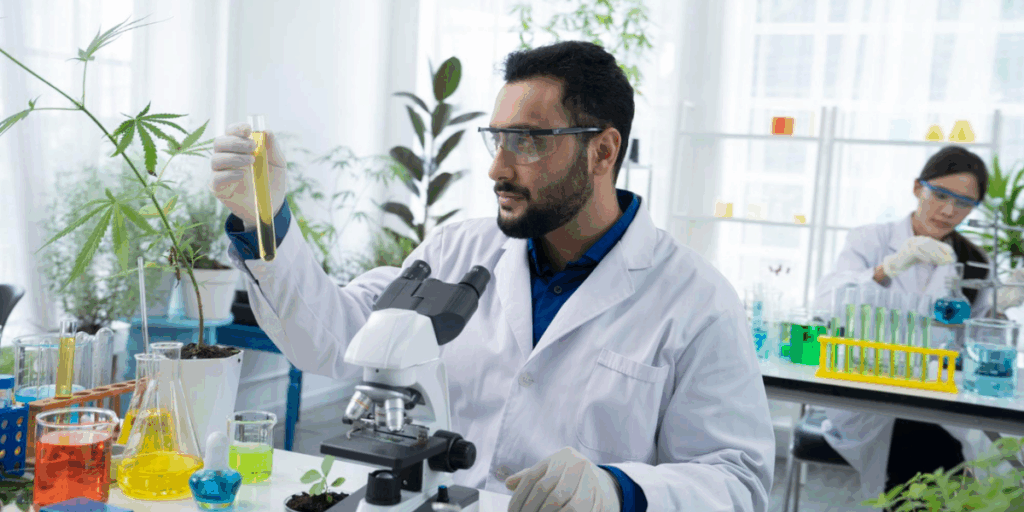
- Fields: Biology, Biotechnology, Genetics, Microbiology, Zoology, Botany
- Employers: ICMR, DBT, CSIR, private biotech firms, pharma companies
- Work: Drug discovery, vaccine development, genetic engineering, diagnostics
2. Pharmaceutical and Biomedical Research Scientists

- Fields: Pharmacology, Medicine, Biochemistry, Biomedical Engineering
- Employers: CIPLA, DRL, Biocon, AIIMS, Serum Institute
- Work: Clinical trials, formulation research, disease modeling
3. Agricultural Research Scientists

- Fields: Agronomy, Horticulture, Soil Science, Plant Pathology
- Employers: ICAR, Krishi Vigyan Kendras, State Agriculture Universities
- Work: Crop improvement, pest control, sustainable farming
4. Environmental and Climate Research Scientists
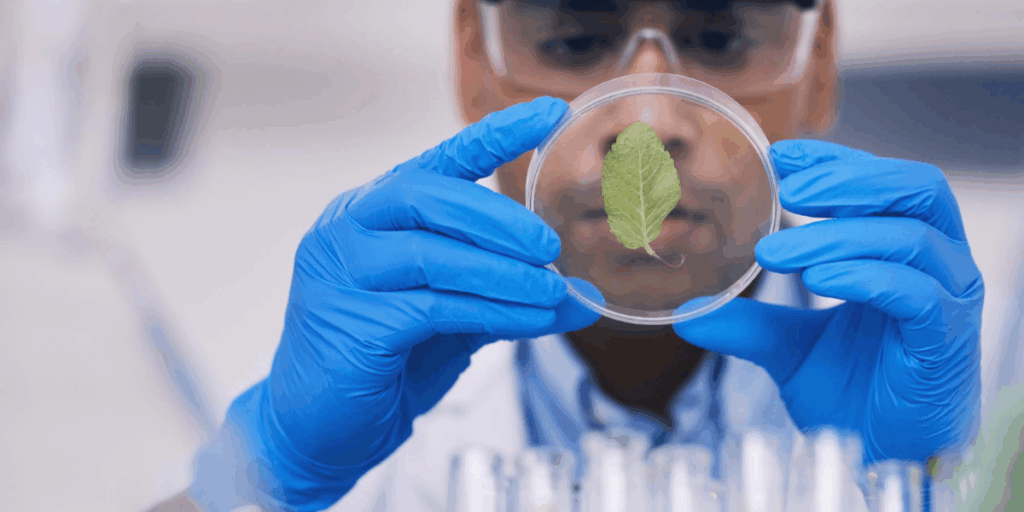
- Fields: Environmental Science, Ecology, Climate Studies
- Employers: TERI, MoEFCC, ISRO, IITs
- Work: Climate modeling, pollution control, biodiversity conservation
5. Computer Science & AI Research Scientists

- Fields: Artificial Intelligence, Data Science, Machine Learning
- Employers: DRDO, TCS Research, IITs, IISc, private R&D labs
- Work: Algorithm development, robotics, NLP, cybersecurity
6. Physical Science Research Scientists
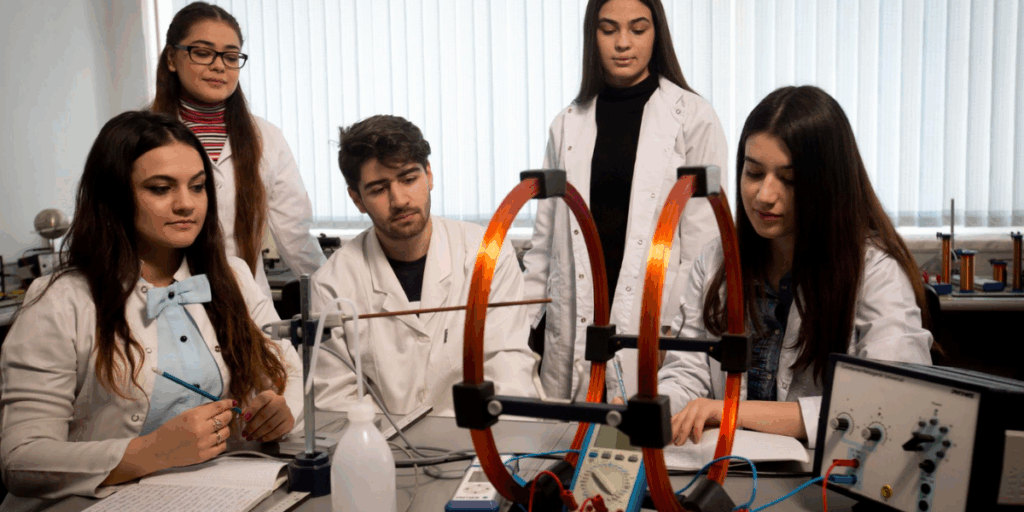
- Fields: Physics, Chemistry, Nanotechnology, Optics
- Employers: BARC, CSIR-NCL, IISERs, ISRO
- Work: Materials research, spectroscopy, quantum studies
7. Energy and Nuclear Research Scientists

- Fields: Nuclear Physics, Energy Engineering, Renewable Energy
- Employers: BARC, NTPC R&D, MNRE, TERI
- Work: Reactor design, solar energy, energy storage innovations
8. Oceanographic and Marine Research Scientists
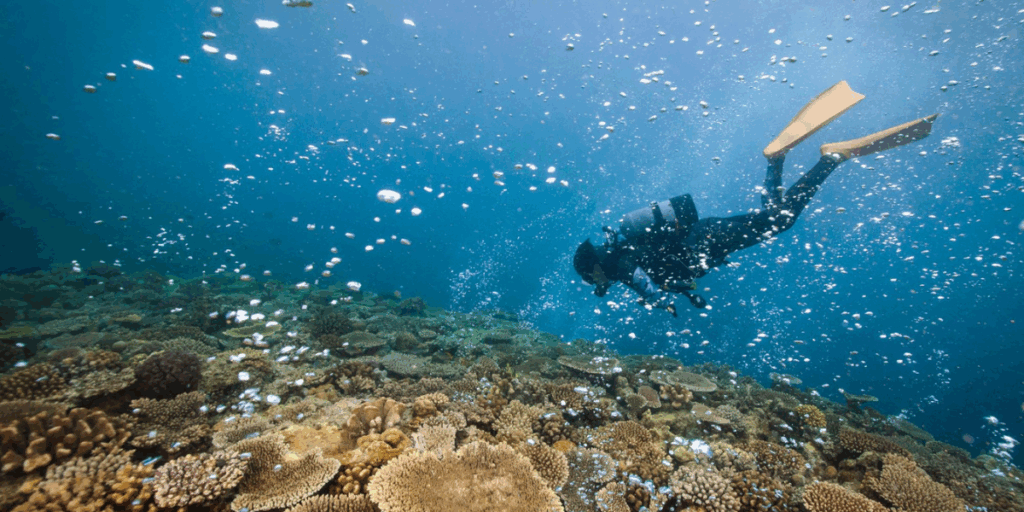
- Fields: Oceanography, Marine Biology, Coastal Engineering
- Employers: NIOT, NIO, INCOIS, Ministry of Earth Sciences
- Work: Sea level studies, marine ecosystems, tsunami warning systems
9. Aerospace and Space Research Scientists

- Fields: Aerospace Engineering, Astrophysics, Satellite Tech
- Employers: ISRO, DRDO, HAL, private aerospace startups
- Work: Satellite design, propulsion systems, space missions
10. Social and Behavioral Science Researchers

- Fields: Psychology, Sociology, Economics, Political Science
- Employers: NITI Aayog, NCERT, TISS, independent research bodies
- Work: Policy analysis, human behavior studies, education systems
Career and Job Opportunities
| Industry | Career Path | Key Employers | Typical Roles |
| Pharmaceutical | Drug Discovery Scientist → Clinical Research Lead → R&D Director | Sun Pharma, Dr. Reddy’s, Biocon, Cipla | Drug development, clinical trials, regulatory research |
| Biotechnology & Life Sciences | Molecular Biologist → Principal Investigator → Innovation Head | Syngene, Serum Institute, Bharat Biotech | Genetic engineering, vaccine research, biotechnology innovation |
| Information Technology & AI | Data Scientist → AI Research Scientist → Chief Data Scientist | TCS Research, Infosys, Wipro AI Labs, Google Research India | Machine learning models, NLP, AI systems |
| Agriculture & Agri-Tech | Agronomist → Crop Research Scientist → R&D Head (Agri-Tech) | ICAR, Bayer CropScience, Mahyco, ITC Agri Business | Crop improvement, GMOs, sustainable agriculture |
| Healthcare & Medical Research | Biomedical Scientist → Translational Researcher → Medical Affairs Director | ICMR, AIIMS, Apollo Research, Fortis Clinical Labs | Medical research, diagnostics, personalized medicine |
| Energy & Renewables | Solar Energy Researcher → Energy Storage Scientist → Consultant | TERI, NTPC R&D, Adani Green, Tata Power | Renewable tech, energy storage, green innovation |
| Environmental Science | Environmental Analyst → Climate Scientist → Sustainability Head | MoEFCC, CSE, WWF India, GIZ | Climate modeling, pollution control, environmental policy |
| Aerospace & Space | Space Scientist → Satellite Systems Expert → Mission Director | ISRO, DRDO, Antrix, Skyroot, Agnikul | Satellite tech, propulsion systems, mission planning |
| Chemical & Materials Science | Polymer Chemist → Materials Scientist → Industrial Innovation Head | CSIR-NCL, Tata Chemicals, Reliance R&D, Asian Paints | New materials, composites, chemical innovation |
| Academia & Public Research | JRF → Scientist (Grade C-F) → Director/Dean | IITs, IISc, IISERs, CSIR Labs | Research, publications, academic leadership, mentoring |
Research Scientist Salary Trends
| Industry | Entry-Level (0–2 yrs) | Mid-Level (3–7 yrs) | Senior-Level (8+ yrs) | Top Employers / Insights |
| Pharmaceuticals & Biotech | ₹4 – ₹6 LPA | ₹8 – ₹12 LPA | ₹15 – ₹25 LPA | Dr. Reddy’s, Biocon, Sun Pharma, Lupin |
| Healthcare & Medical Research | ₹3.5 – ₹5.5 LPA | ₹7 – ₹10 LPA | ₹14 – ₹22 LPA | ICMR, AIIMS, Fortis, Apollo Research Centers |
| Information Technology & AI/ML | ₹6 – ₹9 LPA | ₹12 – ₹20 LPA | ₹25 – ₹40 LPA | TCS, Infosys, Google India, Microsoft Research |
| Agricultural Research | ₹3 – ₹4.5 LPA | ₹6 – ₹9 LPA | ₹12 – ₹18 LPA | ICAR, IARI, Bayer CropScience, Monsanto |
| Space & Defence Research | ₹7 – ₹10 LPA | ₹15 – ₹22 LPA | ₹25 – ₹35+ LPA | ISRO, DRDO, BARC, HAL |
| FMCG & Food Tech | ₹4 – ₹6.5 LPA | ₹8 – ₹12 LPA | ₹15 – ₹20 LPA | Nestle, ITC, HUL, Britannia |
| Energy & Renewable Resources | ₹5 – ₹7 LPA | ₹10 – ₹15 LPA | ₹18 – ₹28 LPA | NTPC, Tata Power, ReNew Power |
| Automobile & Manufacturing R&D | ₹4 – ₹6 LPA | ₹9 – ₹14 LPA | ₹18 – ₹25 LPA | Tata Motors, Mahindra, Bosch, Maruti Suzuki |
| Academia & Government Labs | ₹3 – ₹4.5 LPA | ₹6 – ₹8.5 LPA | ₹10 – ₹15 LPA | CSIR, IITs, IISc, NCL |
| Chemical & Material Sciences | ₹4 – ₹6 LPA | ₹8 – ₹13 LPA | ₹15 – ₹22 LPA | BASF, Reliance, L&T, SRF |
Future Trends
| S.No. | Trend | Description |
| 1 | Rise of AI and Machine Learning in Research | Interdisciplinary research is increasingly integrating AI/ML for data modeling, drug discovery, climate simulation, and materials science. |
| 2 | Government Push for Indigenous R&D (Atmanirbhar Bharat) | More funding and grants are being channeled into self-reliant technologies across defence, pharma, and agri-tech, opening doors for researchers. |
| 3 | Expansion of Private R&D Centers | Global firms like Google, Microsoft, and GE are expanding R&D operations in India, boosting high-paying opportunities. |
| 4 | Emphasis on Translational Research | Focus is shifting toward converting academic research into commercial products, especially in health-tech and biotech. |
| 5 | Quantum Research and Computing | India is investing in quantum technologies (e.g., NQTI mission), opening a new frontier for physicists, mathematicians, and data scientists. |
| 6 | Boom in Renewable & Sustainable Tech Research | Climate change is driving demand for R&D in solar, wind, green hydrogen, and battery storage solutions. |
| 7 | International Collaborations & Global Grants | Indian scientists are increasingly participating in global research networks, unlocking foreign fellowships and joint projects. |
| 8 | Growth in Bioinformatics & Genomics Research | With more genome sequencing labs, demand is rising for scientists skilled in bioinformatics, genetics, and personalized medicine. |
| 9 | Startup-Led Deep Tech Innovations | Deep tech startups are hiring researchers for frontier areas like robotics, nanotech, space tech, and neurotech. |
| 10 | AI-Driven Research Assistant Tools (e.g., ChatGPT, AlphaFold) | AI is transforming how scientists access literature, simulate experiments, and analyze data—enhancing speed and innovation. |
Conclusion
India’s research ecosystem stands at an inflection point: on one hand, government initiatives like the Anusandhan National Research Foundation (ANRF) and the National Quantum Mission are amplifying investment and infrastructure for advanced science; on the other, persistent funding constraints—where R&D spending hovers around 0.6–0.7% of GDP—coupled with low private-sector contributions pose major hurdles for talent retention and commercialization.
Amplifying support for interdisciplinary research, expanding public–private partnerships, and promoting “reverse brain‑drain” fellowships can help bridge the gap between innovation and impact and better leverage India’s sizable pool of PhD‑level researchers.
Looking ahead, research scientists in India who specialize in high‑growth domains—such as AI and ethical machine learning, quantum technologies, environmental and energy sciences, or bioinformatics—are likely to find compelling opportunities both in academia and industry. With rising demand for R&D talent in big corporations, startups, international collaborations, and government projects (e.g. carbon‑capture research at IISER‑Bhopal or space‑tech initiatives through CSIR labs and DRDO young‑scientist programmes), aspiring scientists who hone cross‑disciplinary skills and align with national priorities are best positioned to shape India’s journey toward innovation-led growth
Read more:
- Step-by-Step Guide to Publish a Research Paper
- How to become a Data Scientist? Complete Guide for Beginners
Frequently Asked Question (FAQs)
What does a research scientist do daily?
A research scientist plans and organises experiments, which become the basis for important research papers and reports. They collect samples, conduct field research, and monitor experiments by recording and analysing data. They demonstrate procedures and stay updated on new developments in scientific research.
What qualifications are needed to become a research scientist?
To become a research scientist, you need a BSc, MSc, and preferably a PhD in a relevant field. Practical experience through internships, lab work, and research projects is essential. Specialized certifications in AI, biotech, or data analysis can add value.
What is research scientist salary in India?
In India, the average salary for this Scientist typically falls between ₹6–8 LPA, depending on experience and industry sector, with entry-level professionals earning around ₹3–4 LPA and mid-level to senior roles commanding ₹8–15 LPA or more
What skills are essential for a Research Scientist?
Hard skills: experimental design, lab techniques, programming/data analysis (Python, R, MATLAB), statistical modeling.
Soft skills: critical thinking, attention to detail, communication and scientific writing, collaboration, project management.
How can I become an AI research scientist?
The basic qualification to become an AI research scientist is to have a bachelor’s degree in Computer science or computer engineering. You can pursue your master; in related fields like Artificial intelligence or robotics to specialise in your domain. Opting for a doctoral program will help you develop technical skills and advance in your career.